







-
Regular price Rs.5,403Sale price Rs.5,403 Regular priceUnit price per
Rs.5,730Ships in 2-3 days
Get it by Tue, Apr 28 – Thu, Apr 30
Sale -
Regular price Rs.5,186Sale price Rs.5,186 Regular priceUnit price per
Ships in 2-3 days
Get it by Tue, Apr 28 – Thu, Apr 30
-
Regular price Rs.6,889Sale price Rs.6,889 Regular priceUnit price per
Rs.6,889Ships in 2-3 days
Get it by Tue, Apr 28 – Thu, Apr 30
-
Regular price Rs.2,462Sale price Rs.2,462 Regular priceUnit price per
Rs.2,736Ships in 5-6 days
Get it by Thu, Apr 30 – Fri, May 01
Sale -
Regular price Rs.2,100Sale price Rs.2,100 Regular priceUnit price per
Ships in 5-6 days
Get it by Thu, Apr 30 – Fri, May 01
-
Regular price Rs.4,268Sale price Rs.4,268 Regular priceUnit price per
Ships in 5-6 days
Get it by Thu, Apr 30 – Fri, May 01
-
Regular price Rs.3,004Sale price Rs.3,004 Regular priceUnit price per
Ships in 5-6 days
Get it by Thu, Apr 30 – Fri, May 01
-
Regular price Rs.3,004Sale price Rs.3,004 Regular priceUnit price per
Ships in 5-6 days
Get it by Thu, Apr 30 – Fri, May 01
-
Regular price Rs.12,525Sale price Rs.12,525 Regular priceUnit price per
Ships in 5-6 days
Get it by Thu, Apr 30 – Fri, May 01
-
Regular price Rs.18,802Sale price Rs.18,802 Regular priceUnit price per
Ships in 5-6 days
Get it by Thu, Apr 30 – Fri, May 01
-
Regular price Rs.7,310Sale price Rs.7,310 Regular priceUnit price per
Rs.7,310Ships in 5-6 days
Get it by Thu, Apr 30 – Fri, May 01
-
Regular price Rs.3,853Sale price Rs.3,853 Regular priceUnit price per
Ships in 5-6 days
Get it by Thu, Apr 30 – Fri, May 01
-
Regular price Rs.3,004Sale price Rs.3,004 Regular priceUnit price per
Ships in 5-6 days
Get it by Thu, Apr 30 – Fri, May 01
-
Regular price Rs.5,186Sale price Rs.5,186 Regular priceUnit price per
Ships in 5-6 days
Get it by Thu, Apr 30 – Fri, May 01
-
Regular price Rs.6,200Sale price Rs.6,200 Regular priceUnit price per
Ships in 5-6 days
Get it by Thu, Apr 30 – Fri, May 01
-
Regular price Rs.2,736Sale price Rs.2,736 Regular priceUnit price per
Ships in 5-6 days
Get it by Thu, Apr 30 – Fri, May 01
-
Regular price Rs.2,704Sale price Rs.2,704 Regular priceUnit price per
Rs.2,736Ships in 5-6 days
Get it by Thu, Apr 30 – Fri, May 01
Sale -
Regular price Rs.2,736Sale price Rs.2,736 Regular priceUnit price per
Ships in 5-6 days
Get it by Thu, Apr 30 – Fri, May 01
-
Regular price Rs.3,004Sale price Rs.3,004 Regular priceUnit price per
Ships in 5-6 days
Get it by Thu, Apr 30 – Fri, May 01
-
Regular price Rs.3,004Sale price Rs.3,004 Regular priceUnit price per
Ships in 5-6 days
Get it by Thu, Apr 30 – Fri, May 01
-
Regular price Rs.19,335Sale price Rs.19,335 Regular priceUnit price per
Rs.20,251Ships in 5-6 days
Get it by Thu, Apr 30 – Fri, May 01
Sale -
Regular price Rs.12,960Sale price Rs.12,960 Regular priceUnit price per
Ships in 5-6 days
Get it by Thu, Apr 30 – Fri, May 01
-
Regular price Rs.29,415Sale price Rs.29,415 Regular priceUnit price per
Ships in 5-6 days
Get it by Thu, Apr 30 – Fri, May 01
-
Regular price Rs.6,116Sale price Rs.6,116 Regular priceUnit price per
Ships in 5-6 days
Get it by Thu, Apr 30 – Fri, May 01
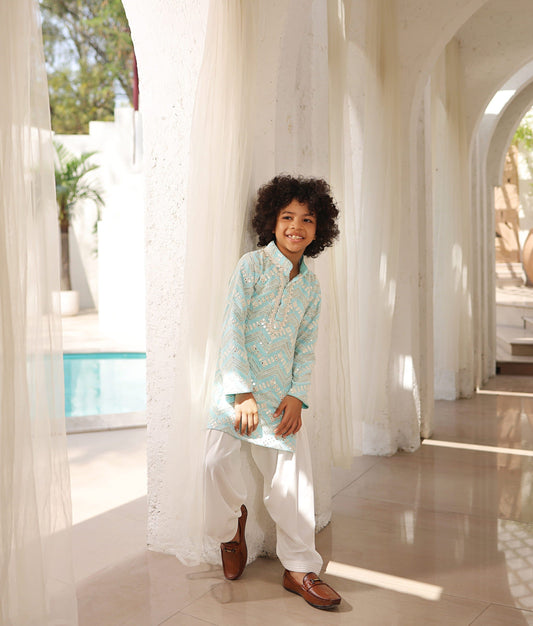

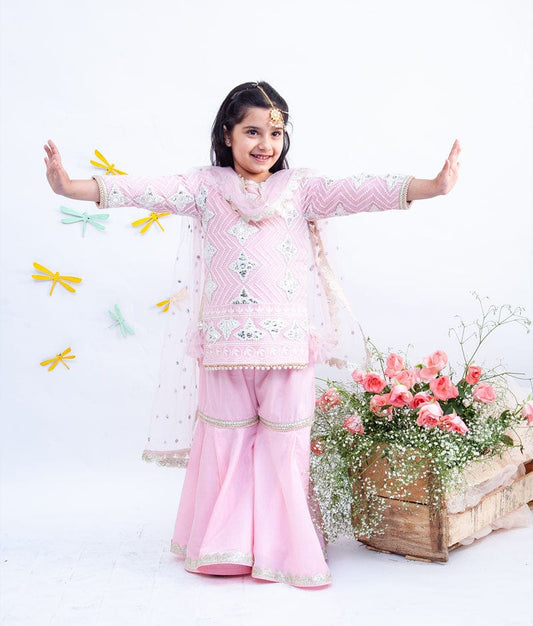

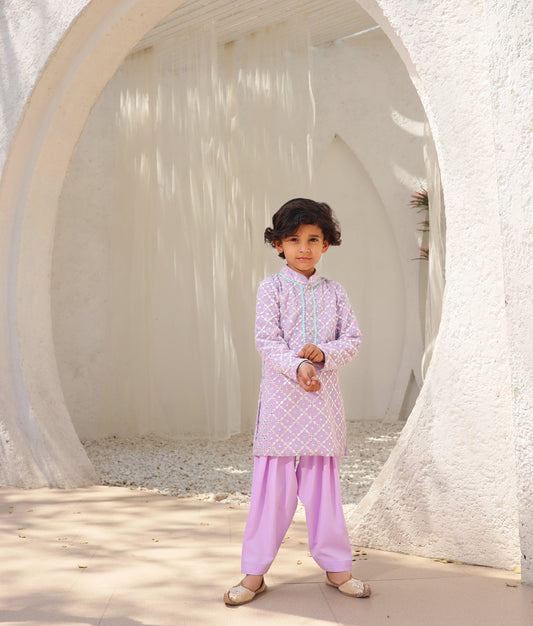

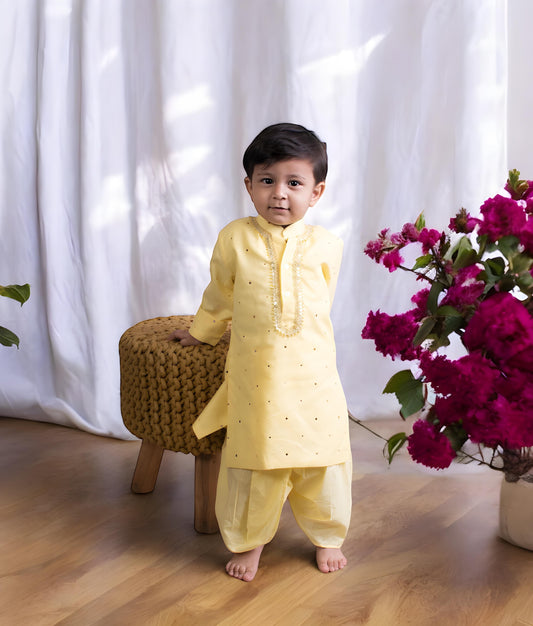

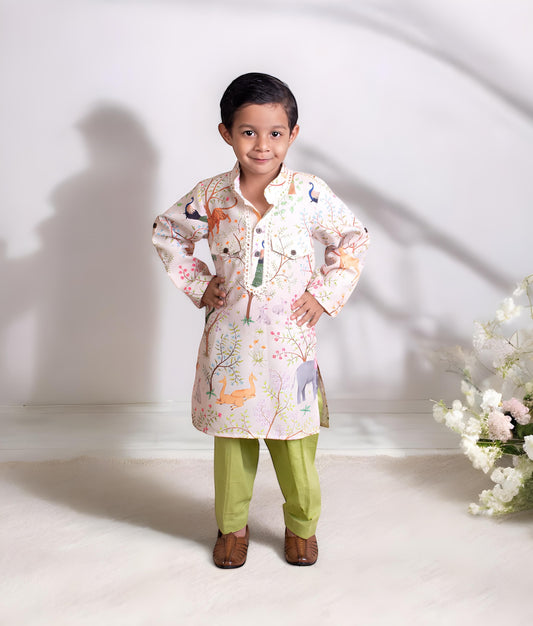

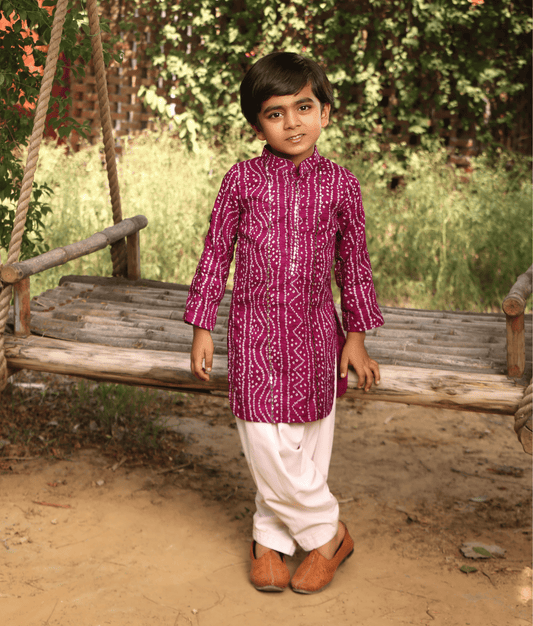


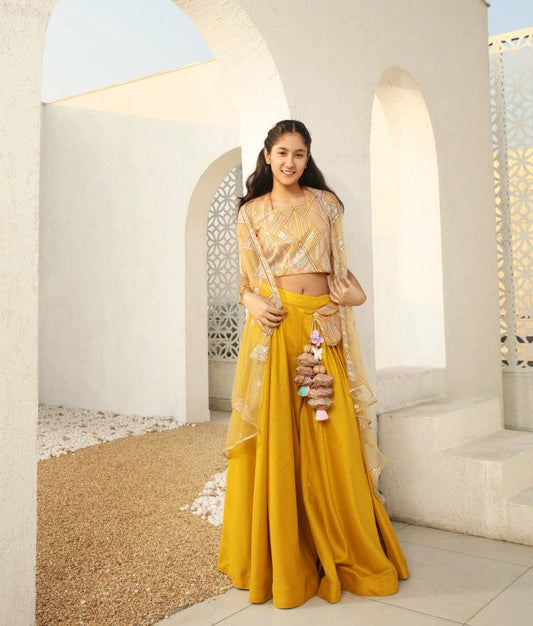

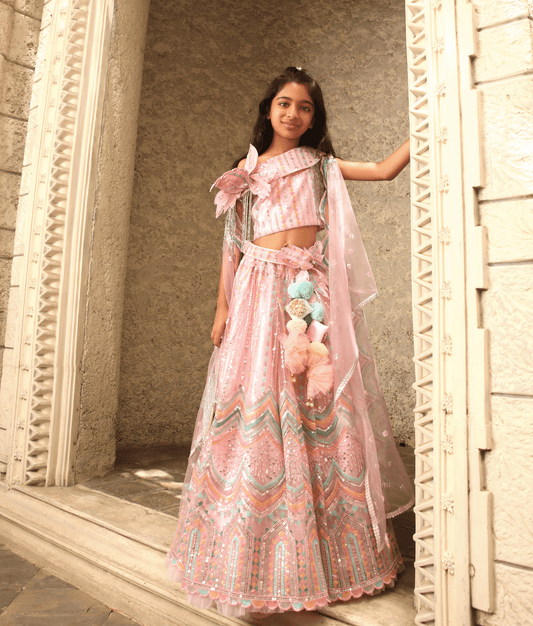

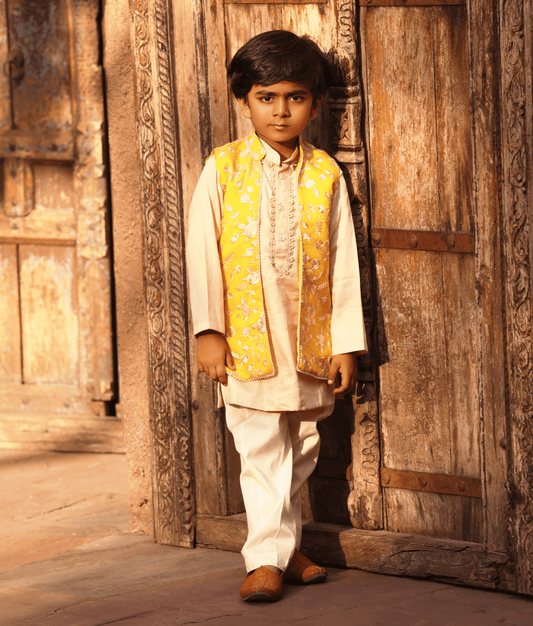


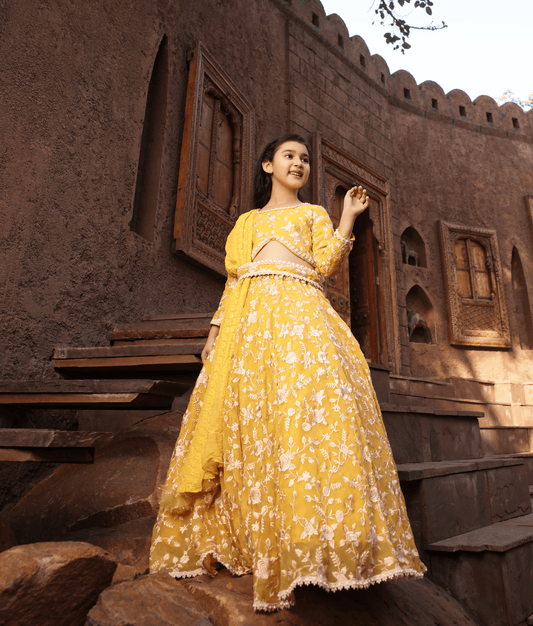


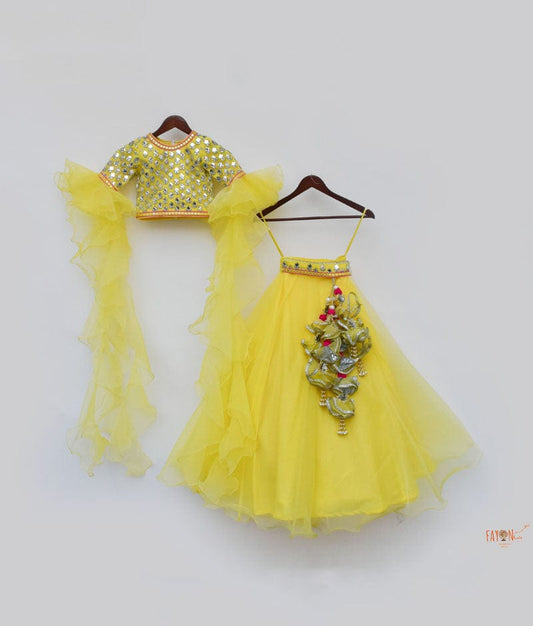


Brother Sister Matching Dress: How to Get the Pairing Right
A brother-sister matching dress pairing is one of the most photographed and most cherished moments at any Indian family celebration. It is the kind of image that makes it onto walls, into albums, and onto family WhatsApp groups for years. Getting it right, however, requires more thought than simply buying two outfits in the same colour. A well-done brother-sister look coordinates two entirely different garments, a kurta set or sherwani for the boy and a lehenga, gown, or anarkali for the girl, so that they look like they were designed together. At Fayon Kids, this is precisely what our custom-made approach delivers: sibling sets where both children look intentional, individual, and part of the same visual story.
Why Is a Brother Sister Matching Dress Different from Other Sibling Sets?
A brother-sister combination is the most design-intensive of all sibling pairings because it involves two entirely different clothing categories. Two sisters can wear similar silhouettes in different colours. Two brothers can wear matching kurtas. But a brother and sister are almost always wearing different garment types, and making them look coordinated requires a more deliberate design approach.
The coordination has to happen through colour, fabric, or detail rather than through silhouette. This is where most ready-made options fall short. They rely on identical colour to create the sibling connection, which often looks forced and underdeveloped in photographs.
A more considered approach builds the connection through:
- A shared embroidery motif or border pattern
- The same fabric is used as an accent in both outfits
- A colour palette where one outfit's primary colour is the other's accent
- A shared level of embellishment that makes both outfits feel equally formal
Takeaway: Brother-sister matching dress coordination is a design challenge that requires shared visual details, not just shared colours, to look truly intentional.
What Are the Most Popular Brother-Sister Outfit Pairings for Indian Occasions?
Lehenga and Sherwani: The Classic Pairing
This is the most requested brother-sister combination at Fayon Kids, and for good reason. The lehenga and sherwani pairing is inherently Indian, inherently festive, and inherently photogenic. The volume and richness of a lehenga naturally balance the structured formality of a sherwani, so even without any deliberate coordination, the two silhouettes look complementary.
When you add deliberate coordination: matching embroidery borders, a shared colour appearing in both outfits, or the same fabric used in the dupatta and the sherwani's collar band, the result is something genuinely striking.
Gown and Bandhgala: A Contemporary Alternative
For families who want something with an Indian sensibility but a more modern look, a floor-length gown for the girl paired with a slim bandhgala suit for the boy is a strong option. This pairing works especially well at indoor receptions, destination weddings, and events where the dress code sits somewhere between formal Indian and black tie.
Our kids' party wear dress for boys collection includes bandhgala suits and structured occasion wear for boys that pair naturally with a range of girls' silhouettes.
Anarkali and Kurta Set: For Sangeet and Semi-Formal Events
An anarkali suit for the girl paired with a printed or embroidered kurta set for the boy is a relaxed but polished combination. It works particularly well at Sangeet nights, family gatherings, and events where the mood is celebratory but not deeply formal. The flowing nature of an anarkali mirrors the fluidity of a well-cut kurta and gives both outfits a similar energy.
Indo-Western Fusion: For the Trend-Forward Family
For families who follow fashion closely and want something less traditional, Indo-Western sibling sets are a growing category. A structured crop top with a palazzo skirt for the girl, paired with a printed Nehru jacket over tailored trousers for the boy, is a good example of how fusion can work for siblings.
|
Pairing |
Best Occasion |
Formality Level |
|
Lehenga and Sherwani |
Wedding ceremony, reception |
Formal |
|
Gown and Bandhgala |
Indoor reception, destination wedding |
Formal to semi-formal |
|
Anarkali and Kurta Set |
Sangeet, family dinner |
Semi-formal |
|
Sharara and Dhoti Kurta |
Mehendi, Haldi |
Relaxed and festive |
|
Indo-Western Fusion Set |
Contemporary reception, birthday |
Fashion-forward |
Takeaway: The right brother-sister matching dress pairing depends on the occasion's formality level, and there is a well-suited option for every point on that spectrum.
How Do You Choose Colours for a Brother-Sister Matching Dress Set?
Colour is where most parents start and where the most common mistakes happen. The most frequent error is choosing identical colours for both outfits. While this can look striking in some cases, it more often makes the combination feel flat and uniform rather than coordinated.
A more effective approach uses the same colour palette applied differently across both outfits.
The Dominant and Accent Method
Choose one dominant colour and one accent colour. Assign the dominant colour to one child and the accent to the other, and then reverse the proportions. For example, if your palette is emerald green and gold, the girl might wear a predominantly emerald lehenga with gold embroidery, while the boy wears a predominantly gold sherwani with emerald detailing. The colours mirror each other without the outfits looking identical.
Tone-on-Tone Coordination
Another approach is to work within a single colour family using different tones. A girl in dusty rose and a boy in deep rose create a sophisticated tonal connection that photographs beautifully without being obvious.
Neutral Anchoring
For families who want something timeless and versatile, anchoring the palette on a neutral such as ivory, cream, or champagne and building in a single accent colour works extremely well. It is a classic approach that rarely dates.
For girls, our kids' wedding dresses collection showcases the full range of colours and silhouettes available, which can help you identify a starting point for your colour palette.
Takeaway: Effective colour coordination in a brother-sister matching dress set comes from applying the same palette differently across both outfits, not from using the same colour in the same proportion.
What Fabrics Work Best for Brother Sister Occasion Wear?
Fabric choice is especially important in a brother-sister set because the two garments are structurally different. A lehenga, for instance, uses a large volume of fabric and needs to drape and move well. A sherwani is more structured and closer to the body. Getting both to look cohesive requires thinking about fabric weight and finish, not just colour.
|
Fabric |
How It Works for Girls |
How It Works for Boys |
|
Raw Silk |
Rich base for lehengas, holds embroidery well |
Excellent for sherwanis, structured |
|
Georgette |
Flowy lehengas and anarkalis |
Best as an inner lining rather than an outer fabric |
|
Chanderi |
Light and lustrous, beautiful for festive wear |
Works well for kurta sets |
|
Velvet |
Statement lehengas for winter occasions |
Sherwanis and bandhgalas in cooler months |
|
Organza |
Dreamy overlays and gowns |
Accent use only, not as primary fabric |
When you are ordering a custom set, sharing a fabric preference is a useful starting point. If you are unsure, sharing the occasion, venue, and season gives the design team enough context to recommend the right material.
Takeaway: Fabric consistency across a brother-sister set does not mean using the same fabric for both outfits. It means choosing fabrics of similar weight and finish so both outfits carry the same level of visual richness.
How Does Custom Tailoring Help with Brother-Sister Sets Specifically?
The single biggest advantage of custom-made brother-sister outfits is that the coordination is built into the design from the start. When you order a ready-made pair, you are working backwards: finding two outfits that already exist and hoping they work together. When you order custom, you are working forward: designing both outfits together so the coordination is intentional at every level.
This matters especially for brother-sister pairs because the two garments are so structurally different. Designing them together allows the embroidery motif on the girl's lehenga border to echo in the boy's sherwani collar. It allows the same fabric to appear as the girl's dupatta and the boy's pocket square. These details are invisible if you are buying ready-made, but they are exactly what make a custom set look like it was designed by someone who knew what they were doing.
Our kids' ethnic wear collection gives a strong sense of the quality and design vocabulary that Fayon Kids works within, and it is a useful reference point when you are thinking about style direction for a custom brother-sister set.
Takeaway: Custom-made brother-sister sets allow the coordination to be designed in rather than assembled after the fact, which is why they consistently look more polished than ready-made alternatives.
Frequently Asked Questions
Q1: What is the most popular brother sister matching dress combination for Indian weddings?
The lehenga and sherwani pairing in complementary colors is the most popular combination for Indian wedding ceremonies. It is formal, photogenic, and inherently suited to the occasion. For Sangeet and Mehendi functions, anarkali and kurta set pairings are more common because they are lighter and easier for children to move in.
Q2: How do I coordinate a brother sister set when there is a big age difference?
A large age gap is actually one of the strongest reasons to choose custom-made sibling outfits. Each garment is tailored to the individual child's measurements and proportions, so a four-year-old and a fourteen-year-old can wear a coordinated set that is appropriate and flattering for each of them.
Q3: Can I request specific embroidery details to be shared across both outfits in a brother sister set?
Yes. Shared embroidery motifs, border patterns, or fabric accents across both outfits are one of the most popular customization requests at Fayon Kids. These design connections are built into the set from the start rather than added as an afterthought.
Q4: Are indo-western options available for brother sister matching sets?
Yes. Indo-western sibling sets for brother sister pairs are available and increasingly popular among fashion-forward families. These combine Indian fabrics and embellishments with more contemporary silhouettes and styling.
Q5: How early should I start planning a brother sister matching outfit order?
We recommend starting the process at least four to six weeks before the event date for custom-made sets. For wedding season orders placed between October and March, beginning earlier is advisable to allow sufficient time for tailoring and any adjustments.


