



-
Regular price Rs.8,160Sale price Rs.8,160 Regular priceUnit price per
Ships in 5-6 days.
Get it by Mon, Aug 10 – Tue, Aug 11
-
Regular price Rs.8,160Sale price Rs.8,160 Regular priceUnit price per
Ships in 5-6 days.
Get it by Mon, Aug 10 – Tue, Aug 11
-
Regular price Rs.12,284Sale price Rs.12,284 Regular priceUnit price per
Ships in 5-6 days.
Get it by Mon, Aug 10 – Tue, Aug 11
-
Regular price Rs.10,545Sale price Rs.10,545 Regular priceUnit price per
Ships in 5-6 days.
Get it by Mon, Aug 10 – Tue, Aug 11
-
Regular price Rs.6,200Sale price Rs.6,200 Regular priceUnit price per
Ships in 2-3 days.
Get it by Sat, Aug 08 – Mon, Aug 10
-
Regular price Rs.4,510Sale price Rs.4,510 Regular priceUnit price per
Ships in 5-6 days.
Get it by Mon, Aug 10 – Tue, Aug 11
-
Regular price Rs.9,097Sale price Rs.9,097 Regular priceUnit price per
Ships in 5-6 days.
Get it by Mon, Aug 10 – Tue, Aug 11
-
Regular price Rs.11,270Sale price Rs.11,270 Regular priceUnit price per
Ships in 5-6 days.
Get it by Mon, Aug 10 – Tue, Aug 11
-
Regular price Rs.10,097Sale price Rs.10,097 Regular priceUnit price per
Ships in 5-6 days.
Get it by Mon, Aug 10 – Tue, Aug 11
-
Regular price Rs.30,391Sale price Rs.30,391 Regular priceUnit price per
Ships in 5-6 days.
Get it by Mon, Aug 10 – Tue, Aug 11
-
Regular price Rs.10,690Sale price Rs.10,690 Regular priceUnit price per
Ships in 5-6 days.
Get it by Mon, Aug 10 – Tue, Aug 11
-
Regular price Rs.6,441Sale price Rs.6,441 Regular priceUnit price per
Ships in 5-6 days.
Get it by Mon, Aug 10 – Tue, Aug 11
-
Regular price Rs.10,690Sale price Rs.10,690 Regular priceUnit price per
Ships in 5-6 days.
Get it by Mon, Aug 10 – Tue, Aug 11
-
Regular price Rs.21,410Sale price Rs.21,410 Regular priceUnit price per
Ships in 5-6 days.
Get it by Mon, Aug 10 – Tue, Aug 11
-
Regular price Rs.11,559Sale price Rs.11,559 Regular priceUnit price per
Ships in 5-6 days.
Get it by Mon, Aug 10 – Tue, Aug 11
-
Regular price Rs.8,131Sale price Rs.8,131 Regular priceUnit price per
Ships in 5-6 days.
Get it by Mon, Aug 10 – Tue, Aug 11
-
Regular price Rs.8,083Sale price Rs.8,083 Regular priceUnit price per
Ships in 5-6 days.
Get it by Mon, Aug 10 – Tue, Aug 11
-
Regular price Rs.27,300Sale price Rs.27,300 Regular priceUnit price per
Ships in 5-6 days.
Get it by Mon, Aug 10 – Tue, Aug 11
-
Regular price Rs.16,871Sale price Rs.16,871 Regular priceUnit price per
Ships in 5-6 days.
Get it by Mon, Aug 10 – Tue, Aug 11
-
Regular price Rs.7,156Sale price Rs.7,156 Regular priceUnit price per
Ships in 5-6 days.
Get it by Mon, Aug 10 – Tue, Aug 11
-
Regular price Rs.3,303Sale price Rs.3,303 Regular priceUnit price per
Ships in 5-6 days.
Get it by Mon, Aug 10 – Tue, Aug 11
-
Regular price Rs.4,268Sale price Rs.4,268 Regular priceUnit price per
Ships in 5-6 days.
Get it by Mon, Aug 10 – Tue, Aug 11
-
Regular price Rs.5,186Sale price Rs.5,186 Regular priceUnit price per
Ships in 5-6 days.
Get it by Mon, Aug 10 – Tue, Aug 11
-
Regular price Rs.5,186Sale price Rs.5,186 Regular priceUnit price per
Ships in 5-6 days.
Get it by Mon, Aug 10 – Tue, Aug 11




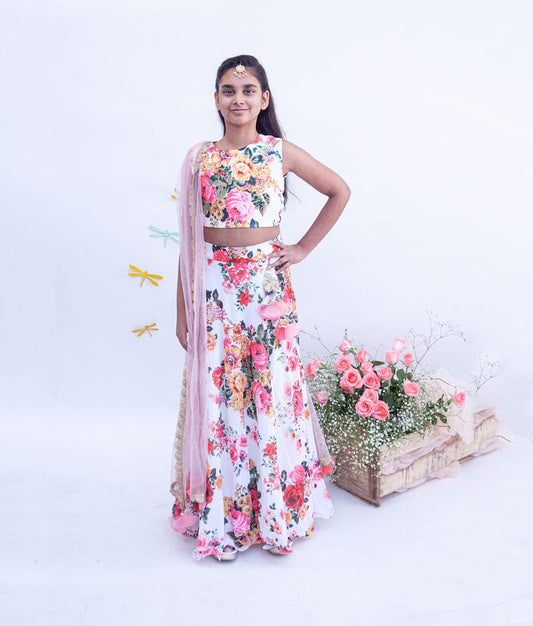


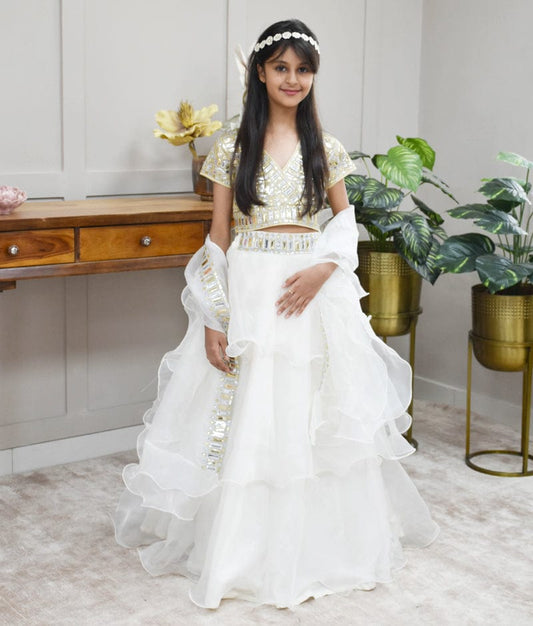

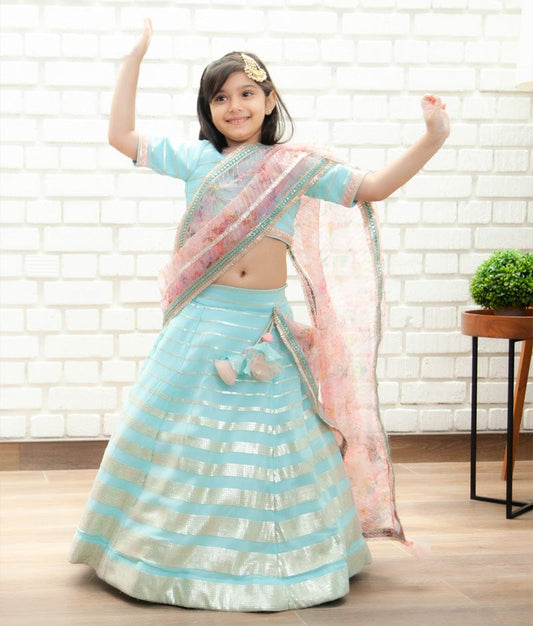

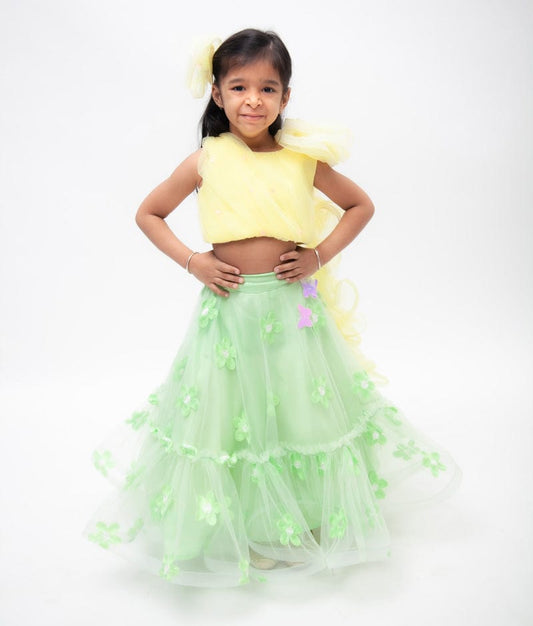


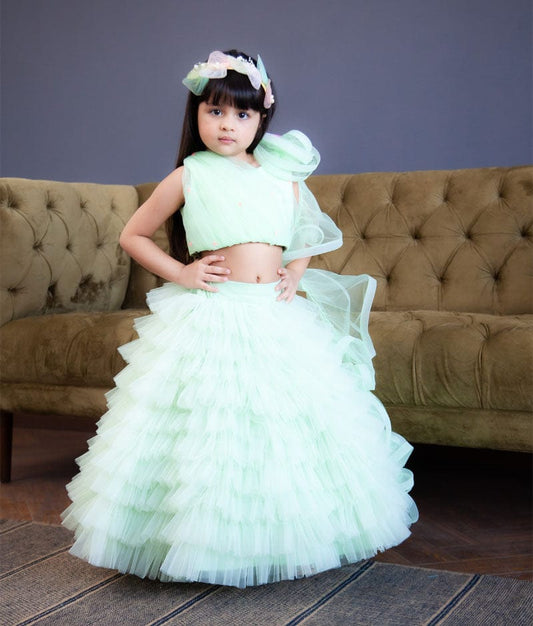


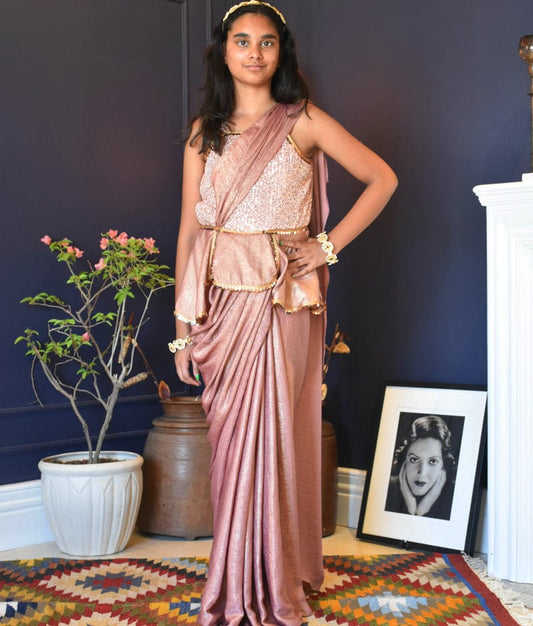


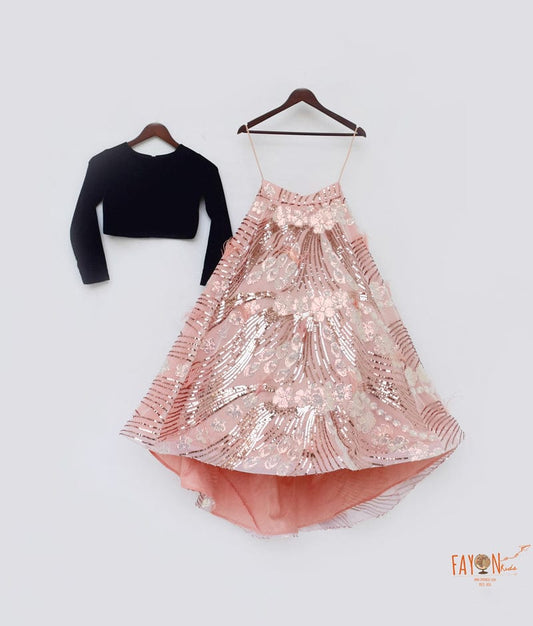

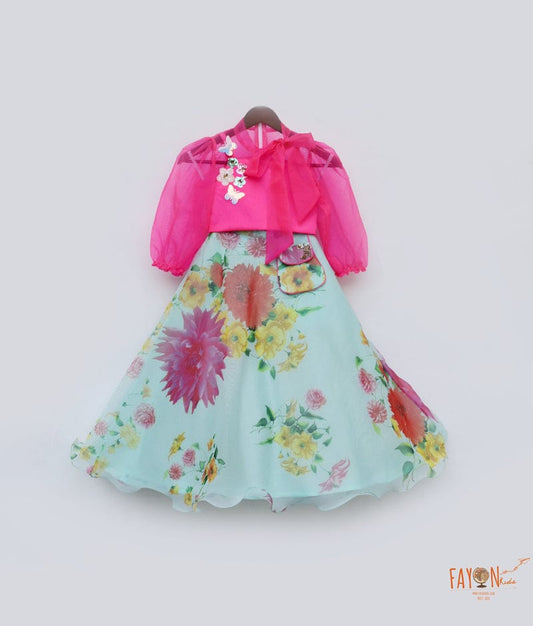

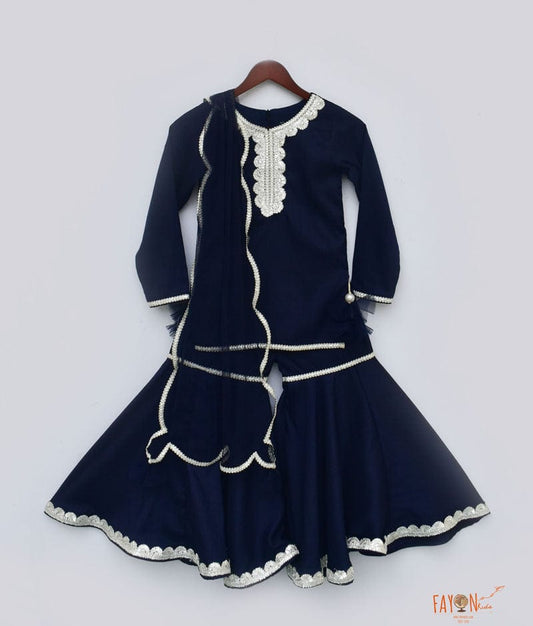


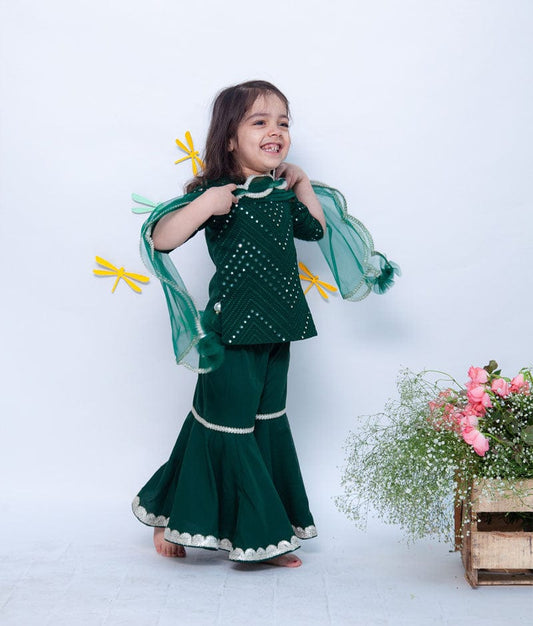

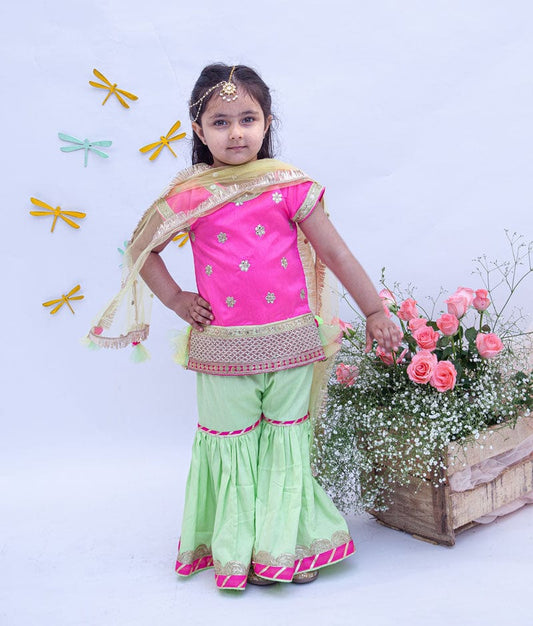

Matching Ethnic Outfit for Siblings: The Art of Looking Intentional Together
Coordination. That is the real world behind what most Indian parents are searching for when they look for a matching ethnic outfit for siblings. Not identical. Not uniform. Coordinated: the kind of intentional visual relationship between two children's outfits that reads clearly in a photograph and communicates that someone thought about it before the occasion arrived.
This piece approaches sibling ethnic outfit coordination as a design question rather than a shopping question. It covers the principles that make coordination work, the specific techniques that produce the most impactful results, how to handle the practical challenges of age and size differences, and a complete occasion-by-occasion breakdown of what coordination looks like in different festive and ceremonial contexts.
The Difference Between Matching, Coordinated, and Themed Sibling Outfits
Before getting into the specifics, it is worth establishing a clear vocabulary for the three main approaches to sibling outfit coordination.
Matching: Both children wear identical outfits in the same color, fabric, and design, simply scaled for different sizes. This works best for twins or children very close in age. For siblings with a significant age or size difference, identical dressing tends to look awkward rather than intentional.
Coordinated: Both children's outfits share a visual element, typically color, embellishment style, or fabric, while remaining individually designed for each child's age, gender, and proportions. This is the most widely applicable approach and the one that produces the most consistently beautiful results.
Themed: Both children's outfits draw from the same visual theme, such as the same embroidery motif, the same occasion palette, or a specific cultural reference, while being entirely distinct in color and silhouette. This approach works particularly well for larger sibling groups or cousins attending the same occasion.
Understanding which approach is right for your situation depends on the age gap between your children, the specific occasion, and the level of visual connection you want to achieve.
The Four Design Principles Behind Effective Sibling Ethnic Coordination
Principle 1: Start with a Two-Color Palette
Every effective sibling coordination begins with a palette of exactly two colors: one dominant and one accent. Both children's outfits draw from these two colors, but in reversed proportions. The girl might wear predominantly color A with color B as her accent. The boy wears predominantly color B with color A as his accent. This creates an immediate visual mirror effect that is readable as a pairing without being identical.
Example palettes that work:
|
Dominant Color |
Accent Color |
Visual Effect |
|
Coral |
Gold |
Warm, festive, photographs richly |
|
Emerald Green |
Ivory |
Rich and elegant, strong contrast |
|
Royal Blue |
Silver |
Cool and formal, wedding-ready |
|
Mustard |
Rust |
Earthy and festive, Navratri-ready |
|
Deep Red |
Cream |
Traditional and auspicious |
|
Peacock Blue |
Gold |
Vibrant and celebratory |
Principle 2: Choose One Shared Design Element
The most visually effective sibling coordination uses one specific design element that appears in both outfits. This is the detail that makes the coordination feel designed rather than incidental.
Options for the shared design element:
- The same embroidery motif (a specific floral, geometric, or traditional pattern) appears on the border of both outfits
- The same fabric is used as a lining in one outfit and an accent in the other
- The same button or closure style across both garments
- A shared border treatment: gota patti, zari, or thread work of the same specification on both pieces
Principle 3: Match Formality Level, Not Silhouette
Both children's outfits should read at the same formality level, even when the silhouettes are entirely different. A heavily embellished lehenga alongside a simple everyday kurta looks mismatched regardless of how well the colors coordinate. A well-embellished lehenga alongside a properly embellished sherwani of similar embellishment density looks intentionally paired.
Principle 4: Account for Age-Appropriate Differences
The two children are different ages and likely different sizes. The coordination approach must allow each child's outfit to be age-appropriate while still reading as a sibling pair. A toddler's outfit needs soft fabric, minimal embellishment that could press against skin, and easy construction. An older child's outfit can carry more structure, more embellishment, and more complex design.
Occasion-by-Occasion Sibling Ethnic Coordination Guide
Weddings
Wedding sibling coordination is the most formal and most invested version of this tradition. The embellishment level, fabric quality, and design intentionality should all be at their highest for wedding occasions.
For a brother-sister pairing at an Indian wedding ceremony, our kids' ethnic wear collection includes both boys' and girls' occasion wear in rich fabrics and festive colors that can be selected in coordination across the sibling pair.
Recommended approach for wedding coordination:
- Deep jewel tones for the dominant color
- Gold is the shared accent across both outfits
- Shared embroidery motif on the border of both garments
- Full formal embellishment on both pieces
Diwali and Navratri
Festival sibling coordination for Diwali and Navratri allows more color freedom than wedding dressing. Bright, warm tones, printed fabrics, and lighter embellishment all sit naturally within the festival aesthetic.
For coordinated boys' festive sets in the occasion-appropriate styles, our boys achkan collection includes structured options for boys that pair naturally with girls' lehenga and anarkali sets for sibling coordination.
Recommended approach for Diwali coordination:
- Warm jewel tones: maroon, bottle green, navy, burnt gold
- Heavier embellishment than Navratri: stone work, zardozi, heavy thread
- Matching border embellishment across both outfits
Recommended approach for Navratri coordination:
- Day-specific color as the anchor for both outfits
- Lighter embellishment: gota patti, mirror work, block print
- More relaxed coordination given the daily nature of the dressing
Eid
Eid sibling coordination follows a softer, fresher palette than most other Indian festive occasions. Pastels, whites, and delicate embroidery define the Eid aesthetic.
Recommended approach for Eid coordination:
- White, cream, or pastel as the dominant color
- Chikankari, or fine thread work, is the shared embellishment style
- Both outfits in fine cotton or chanderi for the fresh, clean Eid aesthetic
Family Portraits
Sibling coordination for professional family portraits is its own specific category, separate from event dressing. The goal is a look that reads clearly on camera, holds its visual interest across the full session, and does not date quickly.
For family portrait sibling sets, our pret wedding collection includes ready-to-wear festive pieces that can be selected in coordinating styles and colors for a cohesive sibling look in professional photography contexts.
Practical Guide: Handling Age and Size Differences in Sibling Sets
The most common challenge in sibling ethnic outfit coordination is a significant age or size difference between the children. Here is a practical breakdown of how to handle the most common sibling age combinations.
Toddler and School-Age Child (1 to 3 years + 6 to 10 years): The coordination approach relies heavily on color and one shared embellishment detail because the construction of both outfits will be very different. The toddler's piece is lightweight and simply constructed. The older child's piece can carry more complexity. Let the color do the heavy coordination work.
Two Children Close in Age (1 to 3 years apart): This is the easiest coordination scenario. Both children can carry similar embellishment levels and similar construction complexity. The coordination can be more detailed here because the visual gap between the two outfits is naturally smaller.
Tween and Young Child (8 to 14 years + 2 to 6 years): The older child's outfit should be the more sophisticated piece. The younger child's coordination comes through the color palette and one shared design element rather than trying to match the embellishment complexity of the older child's piece.
For boys' occasion wear across this full age range, our boys kurta salwar collection includes styles suited to boys from toddlerhood through to the tween years, all of which can be specified in custom colors for sibling coordination.
Build your children's sibling coordination set with Fayon Kids. Contact us with their ages, measurements, and the occasion details, and we will design something that is genuinely intentional.
Frequently Asked Questions
Q1: Is it necessary for siblings to wear the same color for their ethnic outfits to look coordinated?
No. Coordinated sibling ethnic outfits work through a shared color palette rather than identical colors. The most effective approach uses one color as the dominant in one child's outfit and the accent in the other's, creating a mirror effect without being identical.
Q2: How do I coordinate ethnic outfits for three siblings of very different ages?
For three siblings, shift from pair coordination to group coordination. Choose a three-color palette and distribute the colors across all three outfits so that each child's dominant color appears as an accent in at least one sibling's outfit. One shared embellishment motif across all three pieces creates the visual connection.
Q3: What is the best way to coordinate a toddler's ethnic outfit with an older sibling's?
Let the color do the coordination work when there is a large age gap. Keep the toddler's construction simple and comfortable, and use the same color palette in both outfits with one shared embellishment detail.
Q4: Can sibling ethnic coordination work for cousins as well as siblings?
Yes. Themed coordination, where all the children share a color palette or a single design motif without wearing identical outfits, works very well for larger groups, including cousins at family occasions.
Q5: How far in advance should I order a custom sibling ethnic coordination set?
For a fully custom sibling coordination set where both outfits are designed together, we recommend six weeks of lead time. This allows time for design discussion, individual measurements, tailoring, and any adjustments.
Q6: Does Fayon Kids design custom sibling sets for both boys and girls together?
Yes. Fayon Kids designs coordinated sibling sets where both the boy's and girl's outfits are developed simultaneously, with the color and design coordination built in from the start of the design process.
