



-
Regular price Rs.3,737Sale price Rs.3,737 Regular priceUnit price per
Ships in 5-6 days
Get it by Tue, Aug 04 – Wed, Aug 05
-
Regular price Rs.3,737Sale price Rs.3,737 Regular priceUnit price per
Ships in 5-6 days
Get it by Tue, Aug 04 – Wed, Aug 05
-
Regular price Rs.3,703Sale price Rs.3,703 Regular priceUnit price per
Rs.6,171Ships in 5-6 days
Get it by Tue, Aug 04 – Wed, Aug 05
Sale -
Regular price Rs.4,013Sale price Rs.4,013 Regular priceUnit price per
Rs.6,688Ships in 5-6 days
Get it by Tue, Aug 04 – Wed, Aug 05
Sale -
Regular price Rs.3,737Sale price Rs.3,737 Regular priceUnit price per
Ships in 5-6 days
Get it by Tue, Aug 04 – Wed, Aug 05
-
Regular price Rs.5,620Sale price Rs.5,620 Regular priceUnit price per
Ships in 5-6 days
Get it by Tue, Aug 04 – Wed, Aug 05
-
Regular price Rs.4,606Sale price Rs.4,606 Regular priceUnit price per
Ships in 5-6 days
Get it by Tue, Aug 04 – Wed, Aug 05
-
Regular price Rs.5,186Sale price Rs.5,186 Regular priceUnit price per
Ships in 5-6 days
Get it by Tue, Aug 04 – Wed, Aug 05



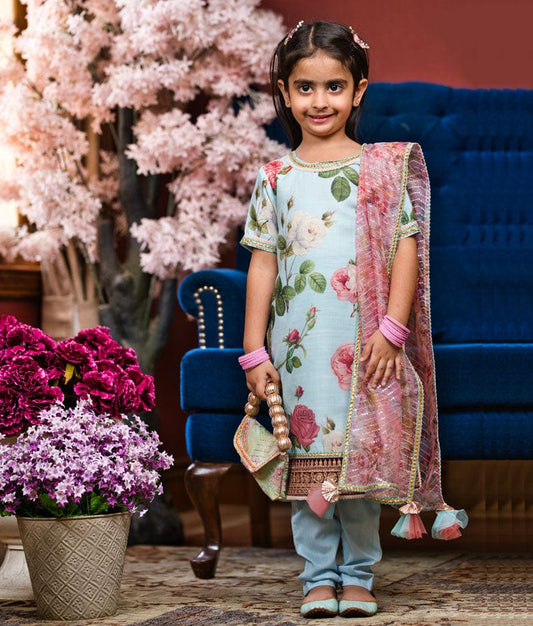


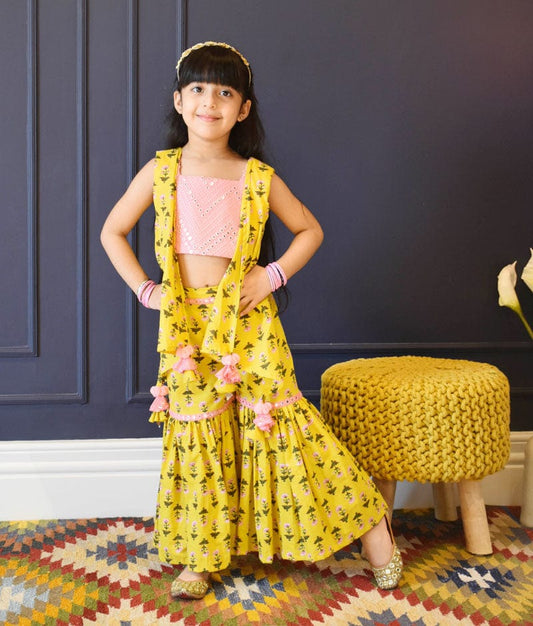


Sibling Matching Outfits: Styles That Work for Every Occasion
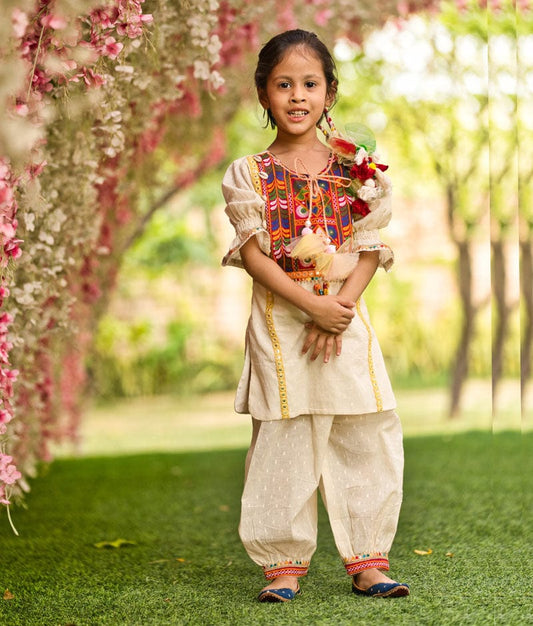
When parents search for sibling-matching outfits, they are usually looking for something that makes their children look connected and intentional at a special occasion, without forcing both kids into the same cookie-cutter design. The good news is that true sibling coordination is far more flexible than most people expect. It does not require identical clothing. It requires a shared visual language: a colour, a fabric, a motif, or an embellishment that threads through both outfits and makes them feel like they belong together. At Fayon Kids, every sibling set is custom-made to each child's measurements, so the coordination happens through design and not through forcing the wrong size onto the wrong child.
What Makes a Sibling Outfit Set Actually Work?
The difference between a sibling set that looks planned and one that looks like a last-minute decision comes down to three things: colour consistency, design language, and proportion.
Colour consistency means both outfits are pulling from the same palette, even if the exact shades differ. Design language means the embellishment style, fabric weight, or silhouette carries a visual thread between the two looks. Proportion means each child's outfit is designed for their specific body and age, not scaled up or down from the same pattern.
When all three align, the result is a sibling set that reads as a set without looking like a uniform.
A useful way to think about it:
|
Design Element |
What to Match |
What to Let Differ |
|
Color |
Palette and tone |
Exact shade can vary slightly |
|
Fabric |
Weight and finish |
Style of garment |
|
Embellishment |
Motif or border detail |
Placement and density |
|
Silhouette |
Formality level |
Shape and structure |
Takeaway: Sibling matching outfits work best when they share a visual thread rather than forcing identical designs onto children who are different ages, sizes, and personalities.
Which Occasions Call for Sibling-Matching Outfits?
Sibling coordination is not just for weddings. In fact, some of the most requested sibling sets at Fayon Kids are for occasions that parents do not always think of first.
Family Portraits and Professional Photoshoots
Coordinated sibling outfits are one of the most common requests for family portrait sessions. Parents want their children to look cohesive in photographs that will be framed and kept for years. A colour-coordinated set in neutral or pastel tones works particularly well for studio portraits where the background is minimal, and the clothing does the visual heavy lifting.
Festival Dressing: Diwali, Eid, and Navratri
Festivals are the second biggest occasion for sibling matching outfits in India. Diwali calls for rich, warm tones like mustard, red, and gold. Eid is often about pastels and delicate embroidery. Navratri traditionally involves specific colours assigned to each day of the festival, which gives parents a natural palette to work around.
Our kids' ethnic wear collection is built around exactly these kinds of occasions, with options for both boys and girls that can be coordinated across festivals.
Birthday Parties and Milestone Celebrations
A first birthday, a naming ceremony, or a milestone celebration is another setting where parents invest in a proper sibling outfit set. The birthday child's outfit is usually the anchor, and sibling outfits are chosen to complement it rather than compete with it.
School Events and Cultural Programs
Many schools in India host annual day programs, cultural competitions, and Republic Day or Independence Day events. These are low-key occasions where sibling coordination in simpler, more restrained outfits works well.
Takeaway: Sibling matching outfits have a natural place at virtually every celebration on the Indian family calendar, and the style of coordination shifts depending on the occasion.
How Do You Build a Sibling Matching Outfit Set from Scratch?
The process is more intuitive than most parents expect. Here is a practical step-by-step approach.
Step 1: Start with the Occasion and Venue
A garden wedding in January calls for different fabrics and silhouettes than an indoor banquet hall reception in July. The venue and season dictate the fabric weight, sleeve length, and general formality level before you even think about colour.
Step 2: Anchor on One Child's Outfit First
Most families have a natural anchor: the birthday child, the older sibling, or the child in the most prominent role at the event. Start with that outfit and build the sibling's look around it. This prevents the common mistake of designing two outfits simultaneously and ending up with a combination that clashes.
Step 3: Choose a Two-Colour Palette
Sibling sets almost always work best with two primary colours rather than three or more. Pick one dominant colour and one accent. For example, teal as the dominant colour with silver as the accent gives you enormous flexibility: the girl might wear teal with silver embroidery, while the boy wears silver with teal piping or border detail.
Step 4: Choose a Shared Design Detail
This is the step most people skip, and it is the one that makes the biggest difference. A shared design detail, such as the same embroidery motif on the border of both outfits, the same button style, or the same fabric used as a lining or accent, creates a visual connection that photographs beautifully.
For boys attending more formal occasions, our coat pant for kids collection offers structured options that can be styled to mirror the formality level of a sister's lehenga or gown with the right fabric and colour choices.
Step 5: Measure Each Child Individually
This cannot be skipped. Standard sizing in children's clothing is built on averages, and most children do not fit neatly into those averages. A sibling set that is custom-made to each child's actual measurements will always look more considered and more polished than anything pulled from a standard size chart.
Takeaway: Building a sibling-matching outfit set is a process of decisions, and making those decisions in the right order leads to a result that looks intentional and cohesive.
What Are the Best Colour Combinations for Sibling Matching Outfits?
Colour is the single most powerful tool in sibling coordination. Here are some combinations that consistently work well across different occasions and skin tones.
|
Color Combination |
Best Occasion |
Why It Works |
|
Ivory and Gold |
Wedding ceremony |
Timeless, photographs richly, works across skin tones |
|
Sage Green and Blush |
Garden events, Mehendi |
Fresh and soft, pairs naturally |
|
Burgundy and Cream |
Winter weddings, Diwali |
Deep contrast, festive and warm |
|
Powder Blue and White |
Summer events, Eid |
Clean and light, easy to style |
|
Mustard and Rust |
Navratri, festive occasions |
Vibrant, traditional, season-appropriate |
|
Navy and Gold |
Reception, formal parties |
Sharp and sophisticated |
One thing worth noting: colours read differently depending on the fabric. A mustard in raw silk looks far richer than the same mustard in cotton. When you are choosing a palette for sibling outfits, always consider the fabric alongside the colour.
Takeaway: The right colour combination for sibling matching outfits depends on the occasion, the season, and the fabric, not just personal preference.
Why Do Parents Choose Custom-Made Sibling Sets Over Ready-Made Options?
Ready-made sibling sets are convenient, but they come with limitations that matter in the context of Indian occasion wear.
The first limitation is size. Ready-made sets are produced in standardised pairs, which means both outfits are sized for children of a similar age. If your children are three and eight years old, the set will not work the way it looks on the product page.
The second limitation is fit. Indian occasion wear involves specific silhouettes: the drop of a lehenga skirt, the fall of a sherwani hem, and the placement of a dupatta. These elements only look right when the garment is proportionate to the child wearing it.
The third limitation is design. Ready-made sibling sets are designed for the widest possible market. They are intentionally generic. Custom-made sets are designed for your children, your occasion, and your family's specific visual vision.
For girls, our kids' wedding dresses collection offers a starting point for the kind of design quality that goes into a custom sibling set, giving you a sense of the fabrics, embellishments, and silhouettes we work with.
Takeaway: Custom-made sibling sets solve the three core problems with ready-made options: sizing, fit, and design specificity.
Frequently Asked Questions
Q1: What is the best age gap for ordering sibling-matching outfits?
No age gap makes sibling matching outfits impossible. Custom-made sets work for siblings of any age combination because each outfit is made to individual measurements. Even a six-month-old and a ten-year-old can be coordinated effectively through colour and design.
Q2: Can I order sibling-matching outfits for three or more children?
Yes. Sibling sets for three or more children are absolutely possible. The coordination approach shifts slightly for larger groups: the focus moves more toward a shared colour palette and less on identical design details, because the visual coherence comes from the group as a whole rather than pair-by-pair matching.
Q3: How do I share my requirements for a sibling matching outfit set?
You can begin by sharing the occasion date, your children's measurements, a colour direction, and any reference images you have found. The Fayon Kids team will work with you from there to develop a design that brings your vision together.
Q4: Are sibling-matching outfits only for Indian ethnic wear?
No. While ethnic wear is the most popular category for sibling coordination at Fayon Kids, the same coordination approach applies to Western silhouettes, Indo-Western fusion outfits, and contemporary occasion wear. The design principles of shared colour and complementary style work across all categories.
Q5: What is the recommended lead time for ordering a sibling matching outfit set?
We recommend allowing at least four to six weeks from the time of order confirmation to delivery for custom-made sibling sets. During peak wedding and festival seasons, starting the process earlier gives you more time for any design refinements.