



-
Regular price Rs.2,950Sale price Rs.2,950 Regular priceUnit price per
Ships in 5-6 days.
Get it by Sat, Oct 10 – Sun, Oct 11
-
Regular price Rs.4,500Sale price Rs.4,500 Regular priceUnit price per
Ships in 5-6 days.
Get it by Sat, Oct 10 – Sun, Oct 11
-
Regular price Rs.12,429Sale price Rs.12,429 Regular priceUnit price per
Ships in 5-6 days.
Get it by Sat, Oct 10 – Sun, Oct 11
-
Regular price Rs.2,950Sale price Rs.2,950 Regular priceUnit price per
Ships in 5-6 days.
Get it by Sat, Oct 10 – Sun, Oct 11
-
Regular price Rs.4,249Sale price Rs.4,249 Regular priceUnit price per
Rs.6,384Ships in 5-6 days.
Get it by Sat, Oct 10 – Sun, Oct 11
Sale -
Regular price Rs.2,950Sale price Rs.2,950 Regular priceUnit price per
Ships in 5-6 days.
Get it by Sat, Oct 10 – Sun, Oct 11
-
Regular price Rs.3,900Sale price Rs.3,900 Regular priceUnit price per
Ships in 5-6 days.
Get it by Sat, Oct 10 – Sun, Oct 11
-
Regular price Rs.5,311Sale price Rs.5,311 Regular priceUnit price per
Ships in 2-3 days.
Get it by Thu, Oct 08 – Sat, Oct 10
-
Regular price Rs.3,863Sale price Rs.3,863 Regular priceUnit price per
Ships in 5-6 days.
Get it by Sat, Oct 10 – Sun, Oct 11
-
Regular price Rs.4,268Sale price Rs.4,268 Regular priceUnit price per
Ships in 5-6 days.
Get it by Sat, Oct 10 – Sun, Oct 11
-
Regular price Rs.2,950Sale price Rs.2,950 Regular priceUnit price per
Ships in 5-6 days.
Get it by Sat, Oct 10 – Sun, Oct 11
-
Regular price Rs.4,829Sale price Rs.4,829 Regular priceUnit price per
Ships in 5-6 days.
Get it by Sat, Oct 10 – Sun, Oct 11
-
Regular price Rs.7,404Sale price Rs.7,404 Regular priceUnit price per
Ships in 2-3 days.
Get it by Thu, Oct 08 – Sat, Oct 10
-
Regular price Rs.11,106Sale price Rs.11,106 Regular priceUnit price per
Ships in 5-6 days.
Get it by Sat, Oct 10 – Sun, Oct 11
-
Regular price Rs.13,945Sale price Rs.13,945 Regular priceUnit price per
Ships in 5-6 days.
Get it by Sat, Oct 10 – Sun, Oct 11
-
Regular price Rs.14,659Sale price Rs.14,659 Regular priceUnit price per
Ships in 5-6 days.
Get it by Sat, Oct 10 – Sun, Oct 11
-
Regular price Rs.1,893Sale price Rs.1,893 Regular priceUnit price per
Rs.3,155Ships in 5-6 days.
Get it by Sat, Oct 10 – Sun, Oct 11
Sale -
Regular price Rs.6,384Sale price Rs.6,384 Regular priceUnit price per
Ships in 5-6 days.
Get it by Sat, Oct 10 – Sun, Oct 11
-
Regular price Rs.3,767Sale price Rs.3,767 Regular priceUnit price per
Rs.3,863Ships in 5-6 days.
Get it by Sat, Oct 10 – Sun, Oct 11
Sale -
Regular price Rs.6,384Sale price Rs.6,384 Regular priceUnit price per
Ships in 5-6 days.
Get it by Sat, Oct 10 – Sun, Oct 11
-
Regular price Rs.3,332Sale price Rs.3,332 Regular priceUnit price per
Ships in 5-6 days.
Get it by Sat, Oct 10 – Sun, Oct 11
-
Regular price Rs.4,268Sale price Rs.4,268 Regular priceUnit price per
Ships in 5-6 days.
Get it by Sat, Oct 10 – Sun, Oct 11
-
Regular price Rs.5,870Sale price Rs.5,870 Regular priceUnit price per
Ships in 5-6 days.
Get it by Sat, Oct 10 – Sun, Oct 11
-
Regular price Rs.5,870Sale price Rs.5,870 Regular priceUnit price per
Ships in 5-6 days.
Get it by Sat, Oct 10 – Sun, Oct 11

















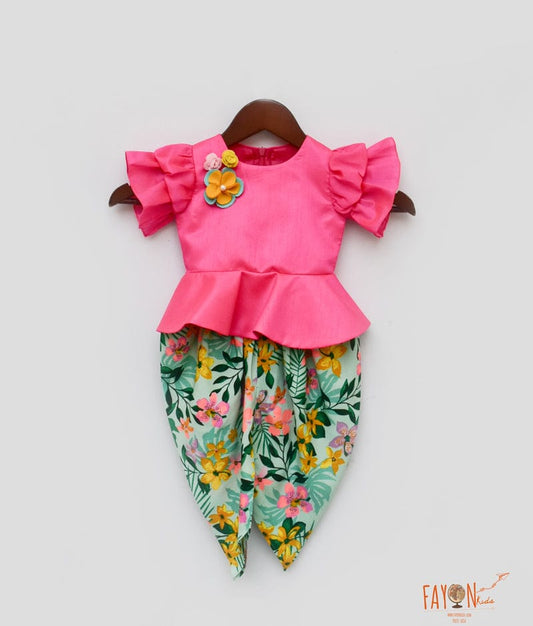

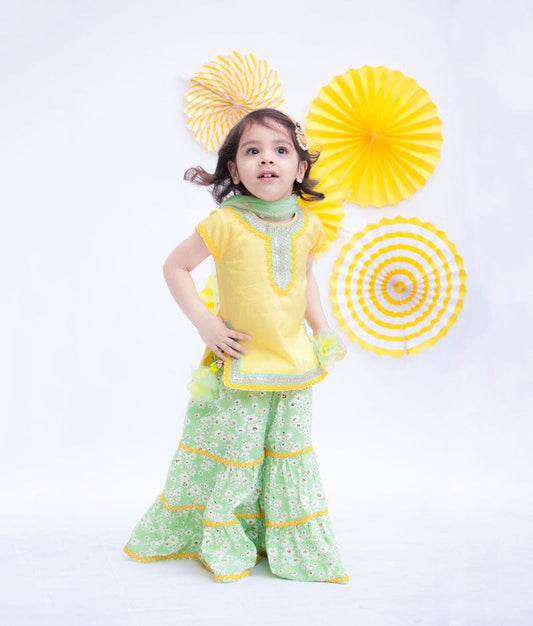


Ethnic Dress for Girls: A Region-by-Region Buying Guide for Every Occasion
Choosing the right ethnic dress for girls means navigating a wide range of regional styles, fabrics, and occasion codes. This guide breaks down what actually matters: silhouette suitability, fabric performance, age-appropriate detailing, and where to find quality that holds up beyond a single wear.
Understanding Ethnic Dress Categories by Region and Occasion
South Asian Styles: Lehenga, Salwar Kameez, and Sharara
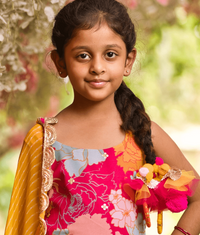
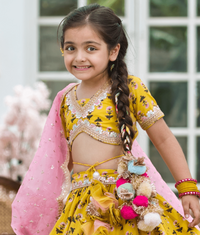
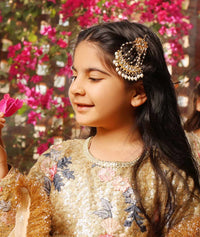
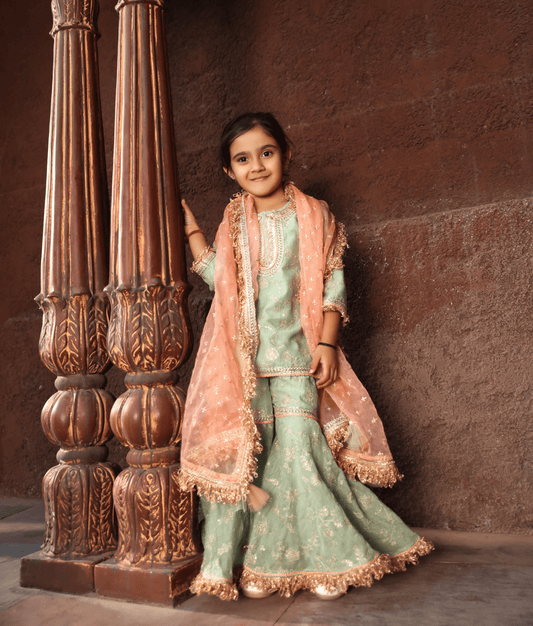
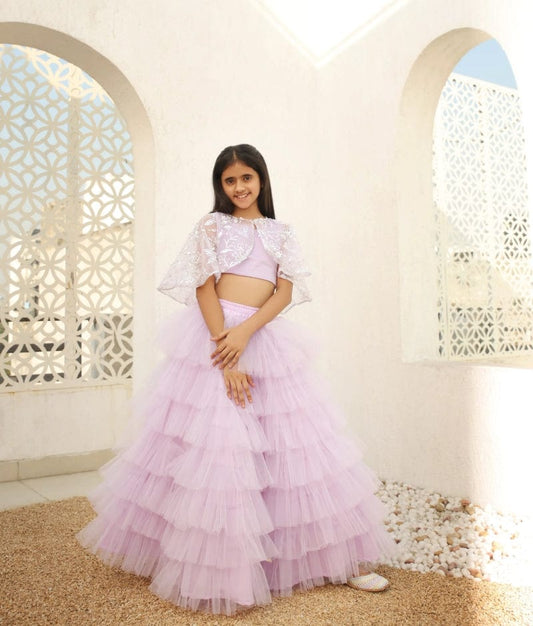
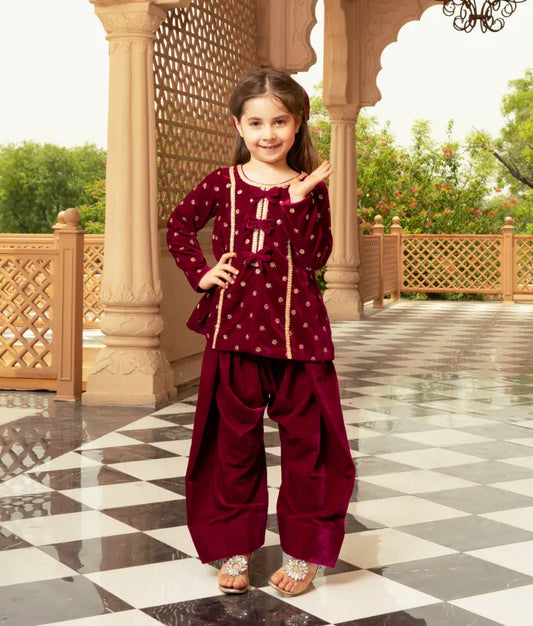
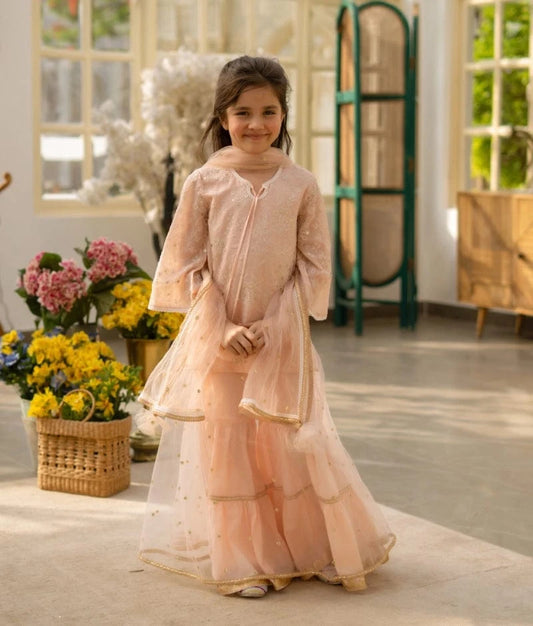
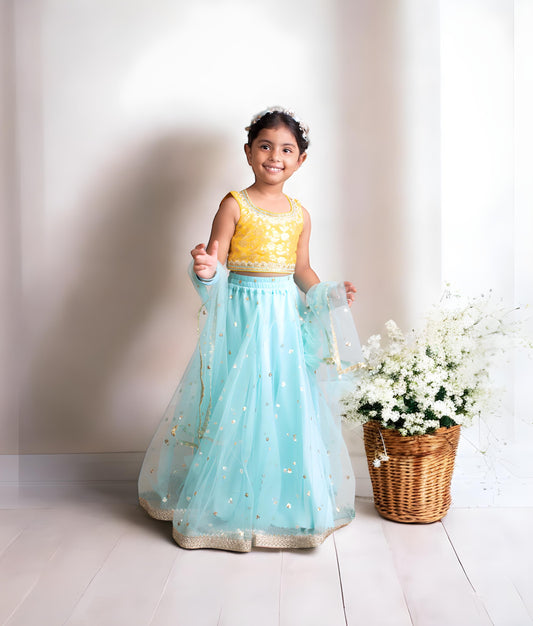
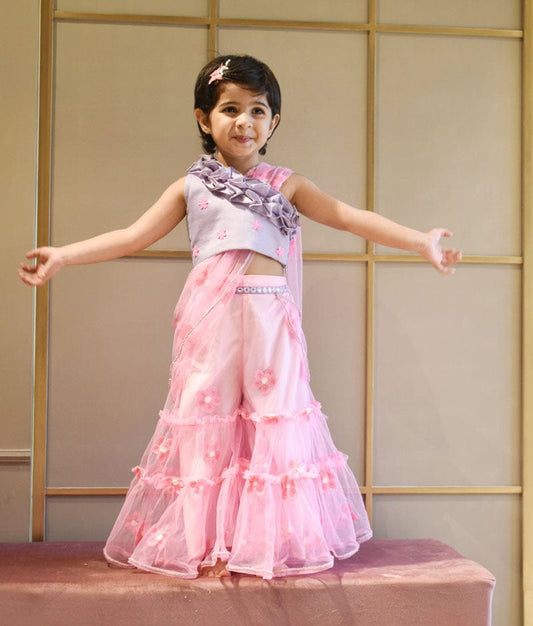
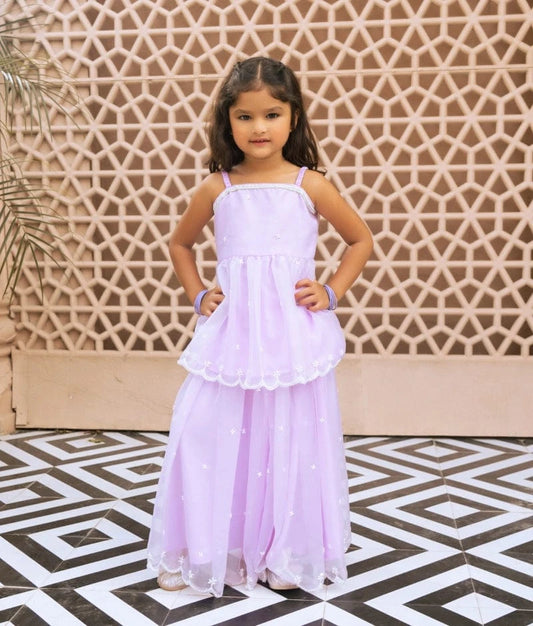
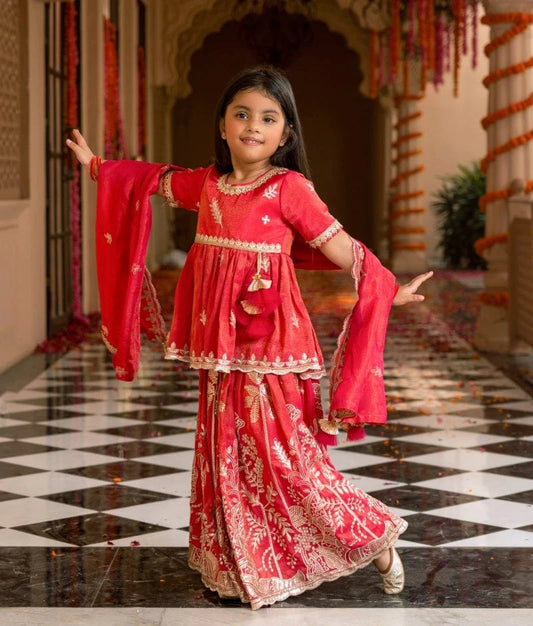
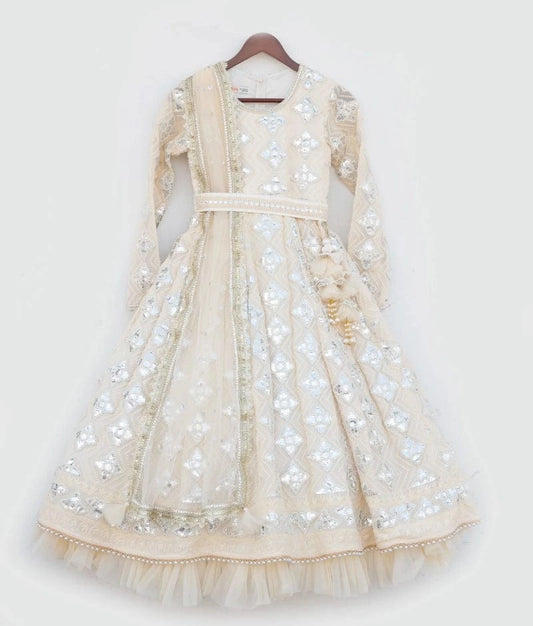
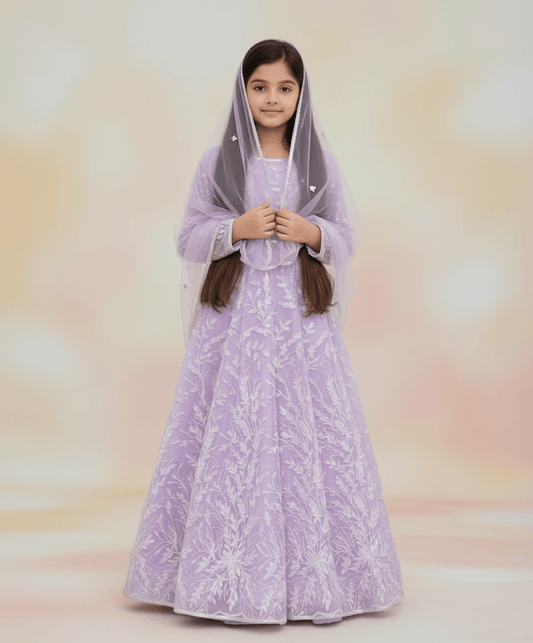
South Asian ethnic wear dominates the girls' occasion-wear market in 2026, with the lehenga choli remaining the top-searched silhouette for festive and semi-formal events. The salwar kameez, particularly the Anarkali cut, suits a broader age range from toddlers to teens because the flared skirt accommodates growth and movement. The sharara set has gained significant traction for Eid, Diwali, and family functions because its wide-leg silhouette reads as formal without restricting play. Parents shopping for a birthday dress for girls will find lehenga and Anarkali styles particularly well-suited to celebration occasions.
East and Southeast Asian Ethnic Styles for Girls
The Chinese qipao and its modern adaptations remain popular for Lunar New Year and cultural school events, typically constructed in silk brocade or jacquard with mandarin collars and frog closures. Japanese-inspired yukata sets for girls are increasingly available in cotton blends, making them practical for summer festivals. Korean hanbok, with its jeogori jacket and chima skirt, is sought specifically for Chuseok and Seollal celebrations, and buyers should verify that the skirt lining is full rather than partial for authentic drape.
Fabric and Construction: What Separates Quality from Costume
Fabric Performance by Age Group
Fabric choice is the single most important quality indicator in ethnic dress for girls, and it varies significantly by age group. For girls under five, pure cotton or cotton-silk blends are the practical standard because they reduce skin irritation from embroidery backing and tolerate repeated washing without losing shape. Choosing the right fabric is especially critical when selecting a first birthday dress for baby girl, where comfort and washability matter most. For girls aged six and above, georgette, chanderi, and raw silk offer the drape and sheen expected at formal events while remaining manageable for a full day of wear.
Embellishment Quality: Zari, Gota, and Sequin Work
Embellishment quality is best assessed by checking whether zari or gota work is stitched through the base fabric or simply glued, since glued embellishments detach after one or two washes. Sequin work on georgette should use knotted threads between each sequin rather than a continuous thread, which prevents a single pull from unraveling an entire row. In practice, turning the garment inside out and inspecting the backing reveals more about construction quality than any product description.
|
Fabric |
Best Age Group |
Occasion Suitability |
Care Requirement |
|
Pure Cotton |
0-5 years |
Casual, daytime festivals |
Machine wash cold |
|
Cotton-Silk Blend |
2-8 years |
Family functions, puja |
Hand wash or gentle cycle |
|
Georgette |
6-14 years |
Weddings, formal events |
Dry clean recommended |
|
Chanderi Silk |
8-16 years |
Festive, semi-formal |
Dry clean only |
|
Raw Silk |
10+ years |
Formal, evening events |
Dry clean only |
How to Select the Right Ethnic Dress for Girls: A Practical Framework
Step-by-Step Selection Process
Selecting ethnic dress for girls without a clear framework leads to purchases that miss on fit, occasion code, or comfort. Starting with occasion formality and then narrowing by fabric eliminates most mismatches before size is even considered. Platforms like Fayonkids organize designer kids' ethnic wear by occasion and age, which shortens the evaluation process considerably for parents working within a specific event context.
-
Define the occasion tier: casual festival, semi-formal family event, or formal wedding.
-
Match fabric to the girl's age and skin sensitivity before choosing embellishment level.
-
Confirm size using chest and height measurements, not age labels, since ethnic wear sizing varies widely by brand.
-
Check embellishment attachment method: stitched versus glued determines wash durability.
-
Verify dupatta or accessory inclusion, as many listings photograph styled sets but sell separates.
Common Fit and Sizing Mistakes to Avoid
Ethnic silhouettes for girls are cut differently from Western clothing, and ordering by age alone results in poor fit roughly 40 percent of the time based on common return patterns reported by children's apparel retailers. Lehenga skirts in particular require waist and hip measurements because the gathered volume can overwhelm a petite frame even in the correct age size. Buying one size up for comfort is a reasonable rule only for salwar kameez styles, not for structured choli blouses or fitted kurtas where excess fabric creates an untidy silhouette. Families also exploring winter dresses for girls should apply the same measurement discipline, as layered winter silhouettes have equally specific fit requirements.
-
Always measure chest, waist, and height before ordering any ethnic silhouette.
-
Request a size chart specific to the brand, not a generic age-to-size conversion.
-
For heavily embroidered pieces, check whether the blouse has an adjustable back hook or tie closure.
-
Confirm dupatta dimensions: a dupatta shorter than 1.5 meters is difficult to style on girls over age eight.
Price Tiers, Value Benchmarks, and Where to Shop
Designer and Premium Tier: When It Is Worth the Investment
Premium ethnic dress for girls, priced above 5,000 INR, is justified when the garment will be worn at multiple events, photographed professionally, or passed to a younger sibling. At this tier, buyers should expect hand-embroidered detailing, fully lined skirts, and fabric that retains color after dry cleaning. Fayonkids positions within this premium designer segment, offering curated ethnic styles and party wear western dresses where construction quality is the primary differentiator rather than novelty embellishment.
|
Price Tier |
Typical Fabric |
Embellishment Type |
Best For |
|
Under 1,500 INR |
Polyester, net |
Printed or glued |
Single-use casual events |
|
1,500-5,000 INR |
Chanderi, cotton-silk |
Stitched zari, gota |
Festivals, family functions |
|
5,000+ INR |
Raw silk, georgette |
Hand embroidery, sequins |
Weddings, formal events |
-
Check return and exchange policies before purchasing heavily embellished pieces online. -
Look for brands that provide detailed fabric composition, not just style descriptions.
-
Prioritize sellers who include care labels in the garment, as this signals manufacturing accountability.
Frequently Asked Questions
What is the most versatile ethnic dress style for girls across multiple occasions?
The Anarkali salwar kameez is the most versatile choice because its flared silhouette suits casual festivals, family functions, and semi-formal events without requiring a change of outfit category.
How do I choose the right size for ethnic wear when shopping online?
Always use the brand's specific size chart based on chest and height measurements rather than relying on age labels, since ethnic wear sizing varies significantly across manufacturers.
Which fabric is safest for toddlers wearing ethnic dress at long events?
Pure cotton or a cotton-silk blend is the safest choice for toddlers because it minimizes skin irritation from embroidery backing and allows breathability during extended wear.
How can I tell if embellishments on a girls' ethnic dress are durable?
Turn the garment inside out and check whether zari, sequins, or gota work is stitched through the base fabric; glued embellishments will show no thread backing and will detach after washing.
Is it worth buying premium ethnic dress for girls if it will only be worn once?
Premium ethnic dress is worth the investment only when the garment will be worn at multiple events, professionally photographed, or handed down to a younger child; otherwise, the mid-range tier offers better value.