


-
Regular price Rs.7,302Sale price Rs.7,302 Regular priceUnit price per
Ships in 5-6 days.
Get it by Thu, Nov 26 – Fri, Nov 27
-
Regular price Rs.4,185Sale price Rs.4,185 Regular priceUnit price per
Ships in 5-6 days.
Get it by Thu, Nov 26 – Fri, Nov 27
-
Regular price Rs.6,116Sale price Rs.6,116 Regular priceUnit price per
Ships in 5-6 days.
Get it by Thu, Nov 26 – Fri, Nov 27
-
Regular price Rs.5,580Sale price Rs.5,580 Regular priceUnit price per
Ships in 5-6 days.
Get it by Thu, Nov 26 – Fri, Nov 27
-
Regular price Rs.4,185Sale price Rs.4,185 Regular priceUnit price per
Ships in 5-6 days.
Get it by Thu, Nov 26 – Fri, Nov 27
-
Regular price Rs.3,541Sale price Rs.3,541 Regular priceUnit price per
Ships in 5-6 days.
Get it by Thu, Nov 26 – Fri, Nov 27
-
Regular price Rs.3,477Sale price Rs.3,477 Regular priceUnit price per
Rs.3,863Ships in 5-6 days.
Get it by Thu, Nov 26 – Fri, Nov 27
Sale -
Regular price Rs.11,588Sale price Rs.11,588 Regular priceUnit price per
Ships in 5-6 days.
Get it by Thu, Nov 26 – Fri, Nov 27
-
Regular price Rs.6,229Sale price Rs.6,229 Regular priceUnit price per
Ships in 5-6 days.
Get it by Thu, Nov 26 – Fri, Nov 27


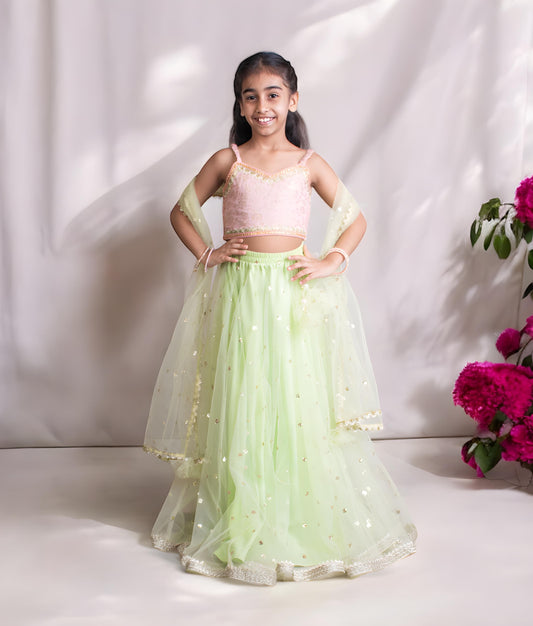


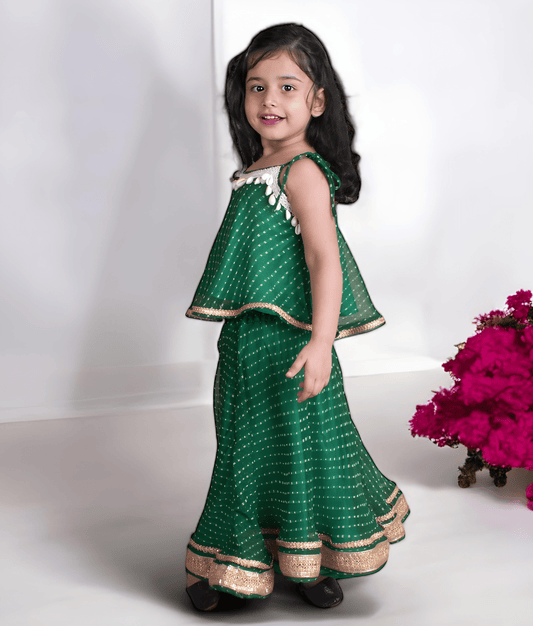

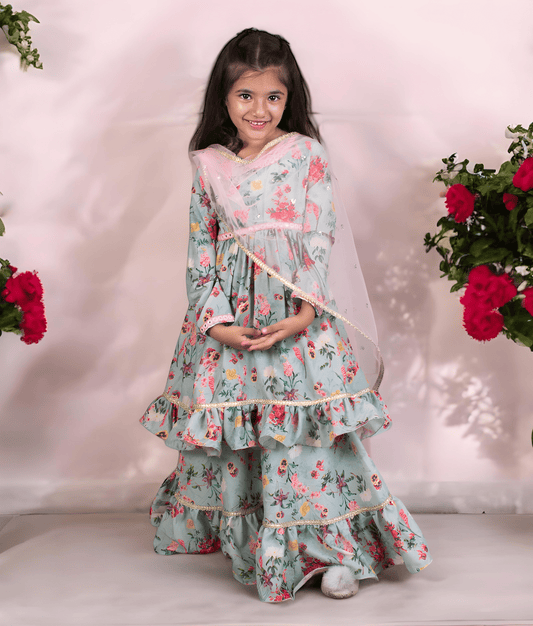


Kids Ethnic Wear: A Complete Guide to Choosing Traditional Outfits That Actually Fit, Last, and Look Stunning
Kids ethnic wear covers a wide range of traditional Indian garments, from kurta-pyjama sets and sherwanis for boys to lehengas, salwar suits, and anarkalis for girls. Parents shopping for festivals, weddings, or cultural events face real decisions around fabric safety, sizing accuracy, and value for money. This guide cuts through the noise with practical, research-backed advice. For more information, explore the winter dresses for girls.
Understanding the Core Categories of Kids Ethnic Wear
Boys Ethnic Wear: From Kurta Sets to Sherwanis
Boys ethnic wear splits into three tiers: everyday kurta-pyjama sets, semi-formal Indo-western fusion pieces, and full ceremonial sherwanis. Kurta-pyjama sets in cotton or cotton-blend fabrics dominate the festival segment, while silk-blend or brocade sherwanis are reserved for weddings. A well-fitted kurta set in a breathable fabric handles most ethnic occasions without the cost or discomfort of a full sherwani.
Girls Ethnic Wear: Lehengas, Anarkalis, and Salwar Suits
Girls ethnic wear spans lehenga-choli sets, anarkali suits, straight-cut salwar kameez, and gharara sets. Lehenga-choli sets with net or georgette flare are the dominant choice for weddings, while cotton anarkalis work well for Diwali and school cultural events. For a special occasion, choosing the right birthday dress for girls follows the same logic, fabric comfort and fit matter as much as visual appeal. Salwar suits in chanderi or cotton silk offer the most versatility, transitioning easily from a family puja to a casual festive gathering.
|
Garment Type |
Best Occasion |
Recommended Fabric |
Age Group |
|
Kurta-Pyjama Set |
Festivals, casual functions |
Cotton, cotton-blend |
1 to 14 years |
|
Sherwani |
Weddings, formal events |
Silk-blend, brocade |
3 to 14 years |
|
Lehenga-Choli |
Weddings, sangeet |
Net, georgette, silk |
2 to 14 years |
|
Anarkali Suit |
Festivals, cultural events |
Cotton, georgette |
3 to 12 years |
|
Salwar Kameez |
Everyday festive, puja |
Chanderi, cotton silk |
4 to 14 years |
Fabric Selection: The Single Most Important Decision in Kids Ethnic Wear
Skin-Safe Fabrics for Infants and Toddlers
Children under three have skin significantly more permeable than adult skin, making fabric choice a genuine health consideration. Pure cotton and muslin are the only fabrics recommended by pediatric dermatologists for direct skin contact in this age group, as synthetic linings can cause contact dermatitis within hours. When buying ethnic wear for infants, including a first birthday dress for baby girl, always check the inner lining fabric, not just the outer shell, because most rashes originate from the lining.
Fabric Performance for Older Kids: Durability vs. Occasion
For children aged four and above, fabric selection balances visual impact with practical durability. Chanderi silk-cotton blends offer a premium drape at a mid-range price and hold embroidery well without the stiffness of pure silk. Georgette and net fabrics photograph beautifully but snag easily, so they are best reserved for short-duration events like wedding ceremonies rather than all-day functions.
-
Pure cotton: Best for infants and toddlers; breathable and hypoallergenic.
-
Cotton-silk blend: Ideal for school-age kids at festivals; balances comfort and appearance.
-
Chanderi: Lightweight with natural sheen; suits semi-formal occasions for ages 4 and up.
-
Georgette and net: High visual impact but low durability; best for short ceremonies only.
-
Brocade and silk: Reserved for formal events; requires dry cleaning and careful storage.
Sizing, Fit, and Value: How to Buy Kids Ethnic Wear Without Regret
Sizing Standards and the Growth Allowance Rule
Indian ethnic wear for children is typically sized by age bracket rather than standardized body measurements, creating significant variation across brands. Always cross-reference the brand's own size chart using chest, waist, and height measurements rather than relying on age labels alone. Size up by one bracket for structured garments like sherwanis and lehengas, since these are worn over inner layers and have less stretch than casual wear. This same rule applies when selecting winter dresses for girls, where layering underneath makes a roomier fit essential. For more information, explore the first birthday dress for baby girl.
Price Tiers and What They Actually Deliver
Kids ethnic wear spans a wide price range, from under INR 500 for basic cotton kurta sets to over INR 5,000 for designer lehengas with hand embroidery. The mid-range segment between INR 1,200 and INR 2,500 offers the best value, delivering machine embroidery, quality lining, and durable stitching without the premium markup of designer labels. Platforms like Fayonkids position in the premium designer segment, where the differentiator is fabric quality, finish consistency, and design exclusivity.
|
Price Range (INR) |
Typical Quality Markers |
Best For |
|
Under 500 |
Basic cotton, minimal embellishment |
Everyday wear, school events |
|
500 to 1,200 |
Printed or block-dyed fabric, simple stitching |
Local festivals, casual functions |
|
1,200 to 2,500 |
Machine embroidery, quality lining, durable seams |
Family weddings, Diwali, Eid |
|
2,500 to 5,000 |
Zari work, premium fabric, consistent finish |
Destination weddings, milestone events |
|
Above 5,000 |
Hand embroidery, designer label, exclusive prints |
High-profile events, gifting |
-
Measure the child's chest, waist, and height before opening any size chart. -
Compare those measurements against the brand's specific size grid, not the age label.
-
Add one size for structured or layered garments to account for inner wear and movement.
-
Check the return and exchange policy before purchasing, especially for embellished pieces.
-
Inspect the inner lining fabric description to confirm skin-safe material for younger children.
Care, Storage, and Longevity: Making Kids Ethnic Wear Last Beyond One Season
Washing and Stain Care by Fabric Type
Most kids ethnic wear with embroidery, zari, or sequin work requires hand washing in cold water with mild detergent, since machine washing breaks down metallic threads and loosens embellishments within two to three cycles. Cotton kurta sets can tolerate a gentle machine cycle but should be washed inside-out to protect printed surfaces. For georgette and net garments, dry cleaning is the safest option; home washing risks permanent distortion of the weave. The same care applies to party wear western dresses featuring similar embellishments or delicate fabrics.
-
Hand wash embroidered and zari pieces in cold water only.
-
Wash cotton kurtas inside-out to protect surface prints and dyes.
-
Dry clean georgette, net, and heavy silk garments after each wear.
-
Store in breathable cotton bags, never sealed plastic covers.
-
Use acid-free tissue paper between folded embroidered layers to prevent tarnishing.
Frequently Asked Questions
What is the safest fabric for kids ethnic wear for infants under two years?
Pure cotton or muslin is the safest choice for infants, as these fabrics are breathable, hypoallergenic, and gentle on highly permeable infant skin.
How do I choose the right size in kids ethnic wear when brands differ so much?
Always measure the child's chest, waist, and height and match those numbers to the brand's own size chart rather than relying on the age label printed on the garment.
Can kids ethnic wear with embroidery be machine washed?
No; machine washing breaks down metallic threads and loosens embellishments, so hand washing in cold water with mild detergent is the correct method for embroidered pieces.
What is the best kids ethnic wear option for an all-day wedding function?
A cotton-silk blend kurta set for boys or a chanderi anarkali for girls offers the best balance of visual appeal and all-day comfort for extended events.
How far in advance should I buy kids ethnic wear for a wedding?
Buy at least four to six weeks before the event to allow time for delivery, fitting checks, and any necessary alterations, especially for structured garments like sherwanis or lehengas.


