



-
Regular price Rs.14,167Sale price Rs.14,167 Regular priceUnit price per
Rs.14,167Ships in 2-3 days.
Get it by Fri, Oct 02 – Sun, Oct 04
-
Regular price Rs.22,858Sale price Rs.22,858 Regular priceUnit price per
Ships in 5-6 days.
Get it by Sun, Oct 04 – Mon, Oct 05
-
Regular price Rs.12,525Sale price Rs.12,525 Regular priceUnit price per
Ships in 5-6 days.
Get it by Sun, Oct 04 – Mon, Oct 05
-
Regular price Rs.13,273Sale price Rs.13,273 Regular priceUnit price per
Ships in 5-6 days.
Get it by Sun, Oct 04 – Mon, Oct 05
-
Regular price Rs.8,691Sale price Rs.8,691 Regular priceUnit price per
Ships in 2-3 days.
Get it by Fri, Oct 02 – Sun, Oct 04
-
Regular price Rs.11,020Sale price Rs.11,020 Regular priceUnit price per
Ships in 2-3 days.
Get it by Fri, Oct 02 – Sun, Oct 04
-
Regular price Rs.13,008Sale price Rs.13,008 Regular priceUnit price per
Ships in 5-6 days.
Get it by Sun, Oct 04 – Mon, Oct 05
-
Regular price Rs.10,690Sale price Rs.10,690 Regular priceUnit price per
Ships in 5-6 days.
Get it by Sun, Oct 04 – Mon, Oct 05
-
Regular price Rs.13,005Sale price Rs.13,005 Regular priceUnit price per
Ships in 5-6 days.
Get it by Sun, Oct 04 – Mon, Oct 05
-
Regular price Rs.9,531Sale price Rs.9,531 Regular priceUnit price per
Ships in 5-6 days.
Get it by Sun, Oct 04 – Mon, Oct 05
-
Regular price Rs.10,111Sale price Rs.10,111 Regular priceUnit price per
Ships in 5-6 days.
Get it by Sun, Oct 04 – Mon, Oct 05
-
Regular price Rs.7,243Sale price Rs.7,243 Regular priceUnit price per
Rs.7,243Ships in 2-3 days.
Get it by Fri, Oct 02 – Sun, Oct 04
-
Regular price Rs.17,350Sale price Rs.17,350 Regular priceUnit price per
Ships in 5-6 days.
Get it by Sun, Oct 04 – Mon, Oct 05
-
Regular price Rs.18,512Sale price Rs.18,512 Regular priceUnit price per
Ships in 2-3 days.
Get it by Fri, Oct 02 – Sun, Oct 04
-
Regular price Rs.15,905Sale price Rs.15,905 Regular priceUnit price per
Ships in 2-3 days.
Get it by Fri, Oct 02 – Sun, Oct 04
-
Regular price Rs.5,186Sale price Rs.5,186 Regular priceUnit price per
Rs.8,643Ships in 2-3 days.
Get it by Fri, Oct 02 – Sun, Oct 04
Sale -
Regular price Rs.8,408Sale price Rs.8,408 Regular priceUnit price per
Rs.14,013Ships in 2-3 days.
Get it by Fri, Oct 02 – Sun, Oct 04
Sale -
Regular price Rs.13,273Sale price Rs.13,273 Regular priceUnit price per
Ships in 5-6 days.
Get it by Sun, Oct 04 – Mon, Oct 05
-
Regular price Rs.24,110Sale price Rs.24,110 Regular priceUnit price per
Ships in 5-6 days.
Get it by Sun, Oct 04 – Mon, Oct 05
-
Regular price Rs.14,443Sale price Rs.14,443 Regular priceUnit price per
Ships in 5-6 days.
Get it by Sun, Oct 04 – Mon, Oct 05
-
Regular price Rs.8,952Sale price Rs.8,952 Regular priceUnit price per
Ships in 5-6 days.
Get it by Sun, Oct 04 – Mon, Oct 05
-
Regular price Rs.9,135Sale price Rs.9,135 Regular priceUnit price per
Rs.15,225Ships in 5-6 days.
Get it by Sun, Oct 04 – Mon, Oct 05
Sale -
Regular price Rs.7,811Sale price Rs.7,811 Regular priceUnit price per
Rs.12,525Ships in 5-6 days.
Get it by Sun, Oct 04 – Mon, Oct 05
Sale -
Regular price Rs.7,339Sale price Rs.7,339 Regular priceUnit price per
Ships in 5-6 days.
Get it by Sun, Oct 04 – Mon, Oct 05




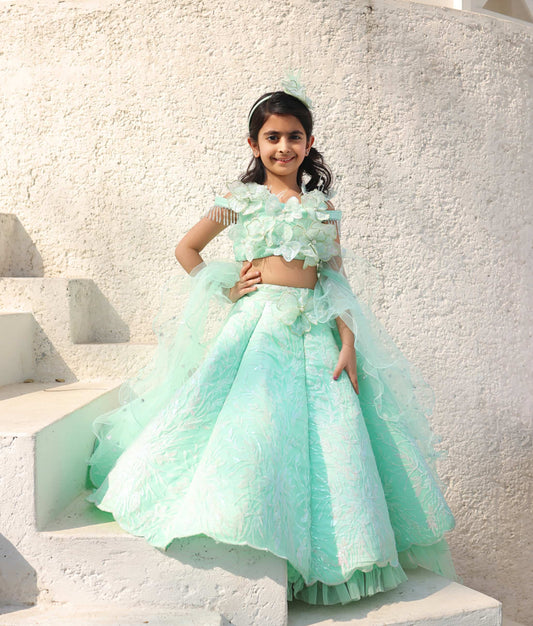

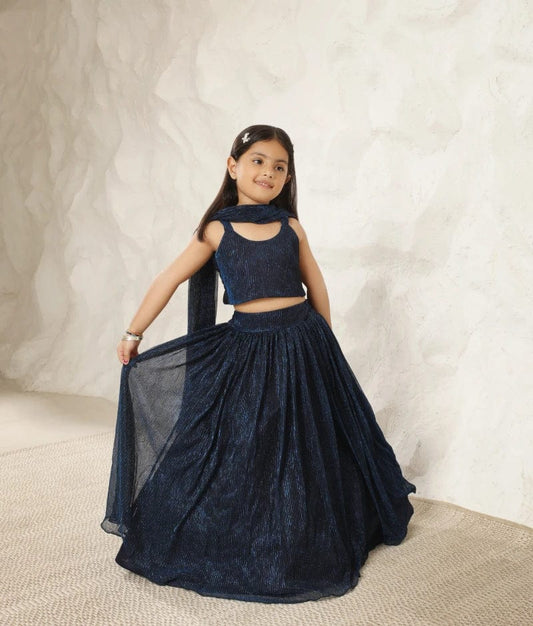

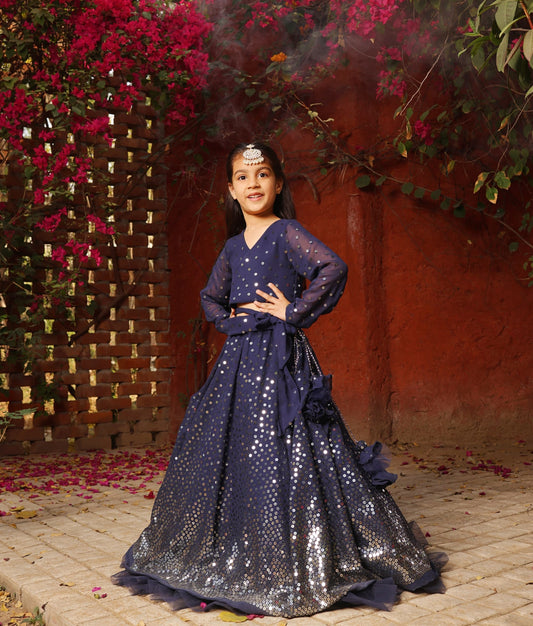


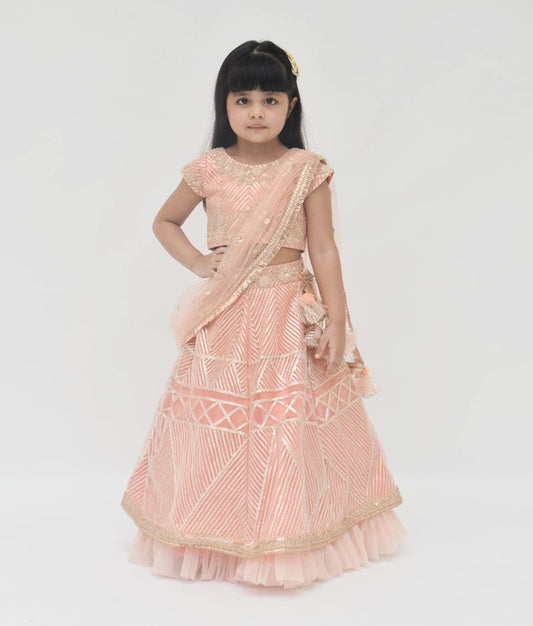

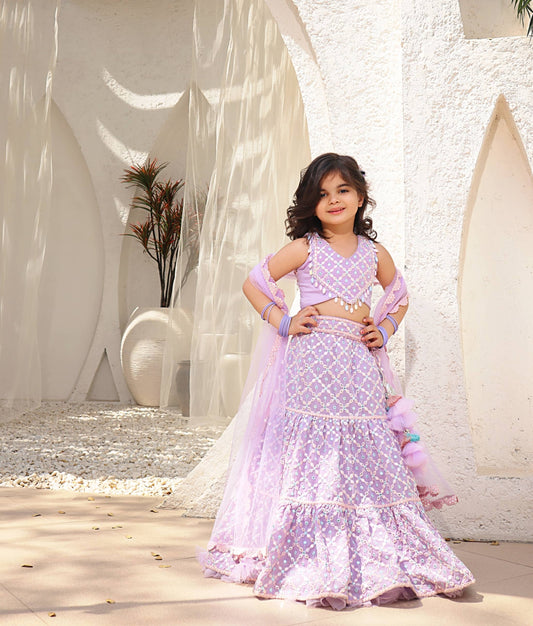

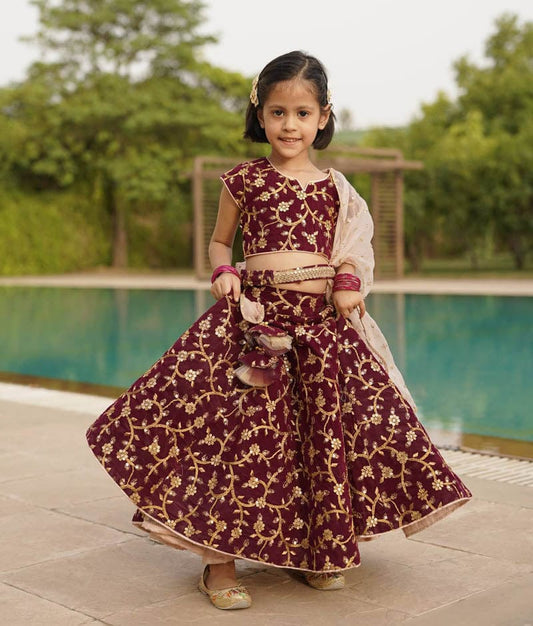


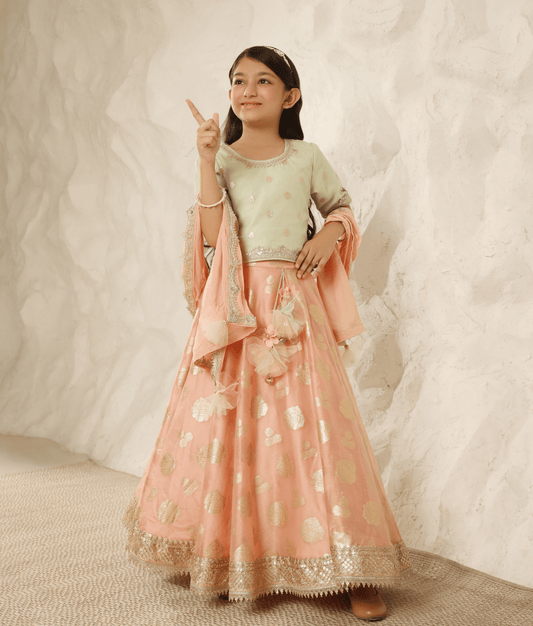

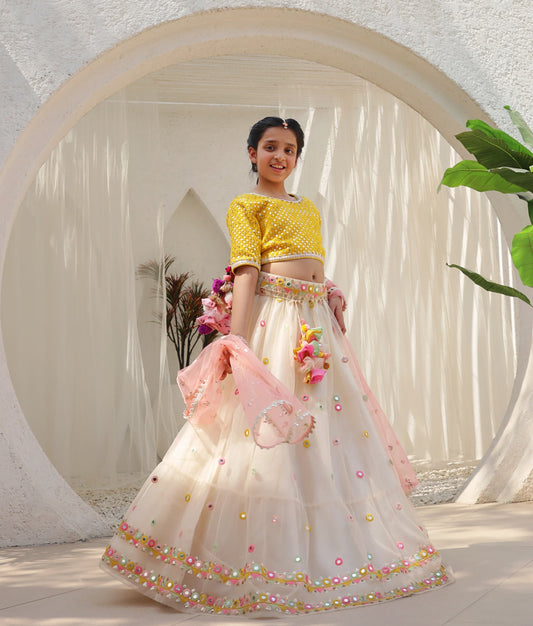

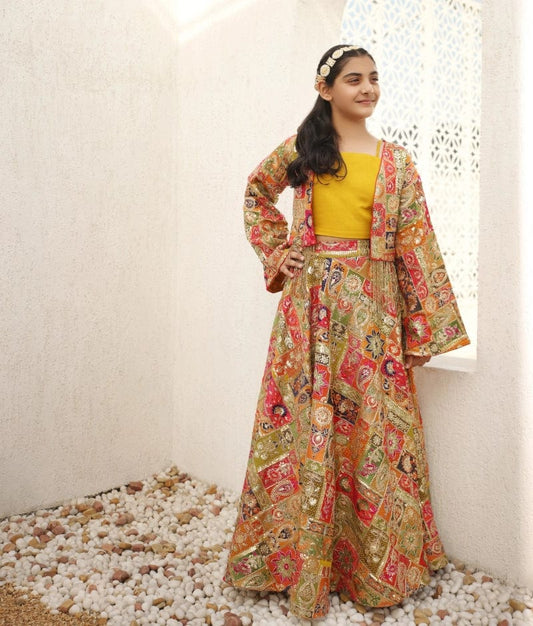

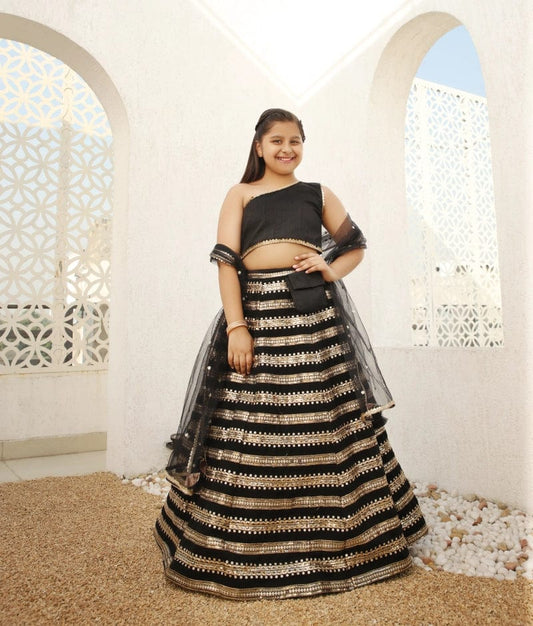


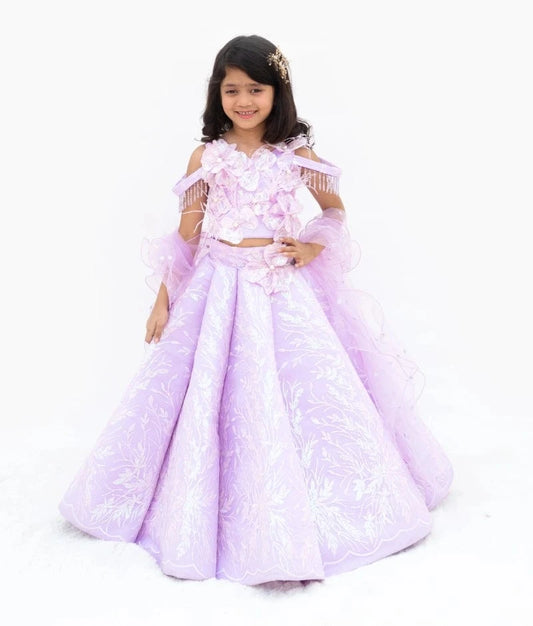

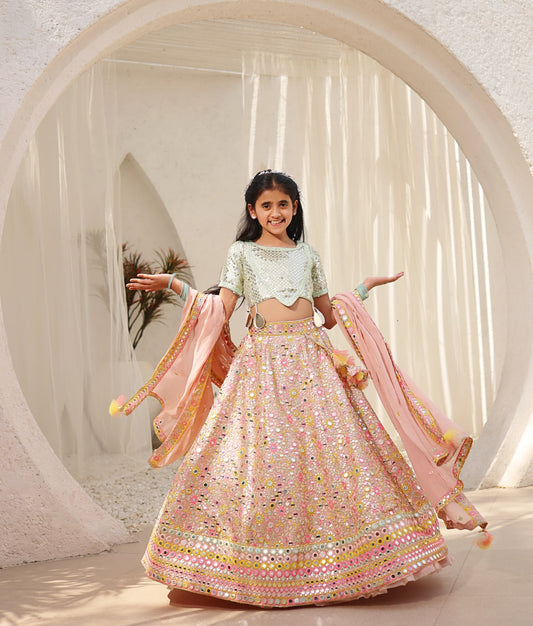

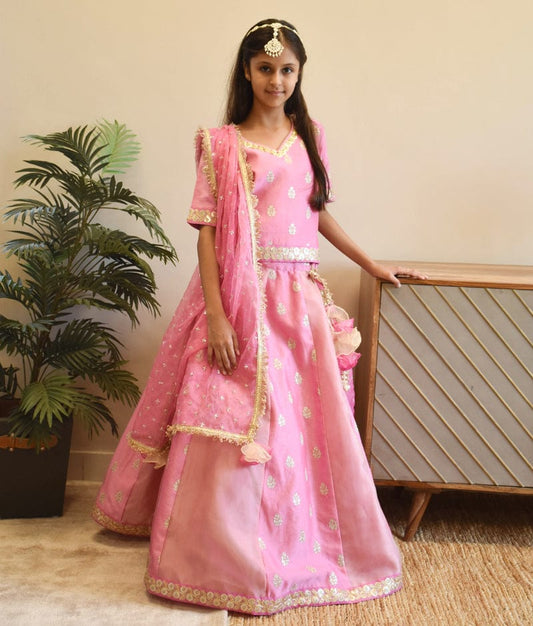

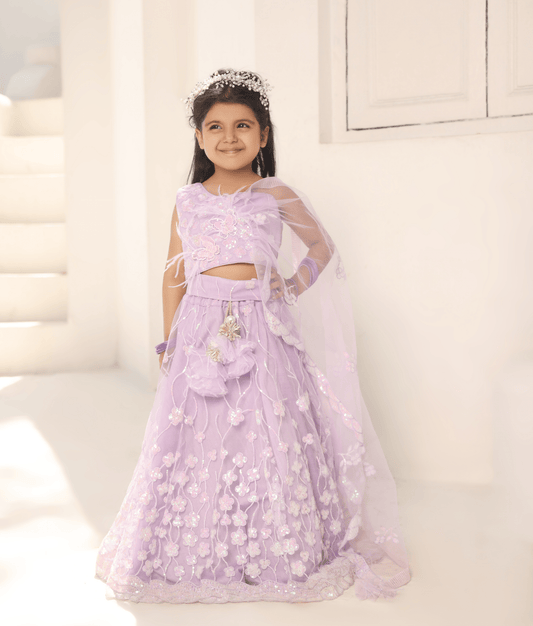


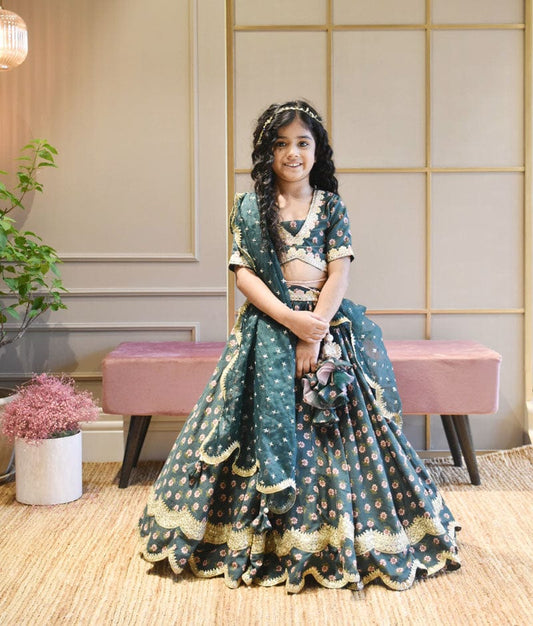


Kids Lehenga for Pooja: Dressing Your Daughter With Devotion and Style
There is a specific kind of dressing that a pooja calls for. It is not the same as wedding dressing, where visual impact and celebration are the primary goals. It is not the same as festival dressing, where color and energy dominate. Pooja dressing carries a quieter intention: devotion, respect, and a kind of beauty that is connected to the spiritual nature of the occasion.
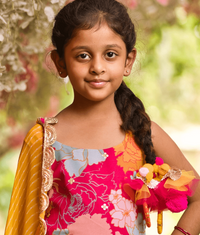
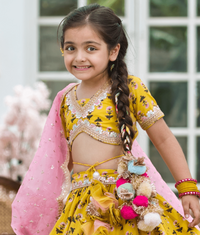
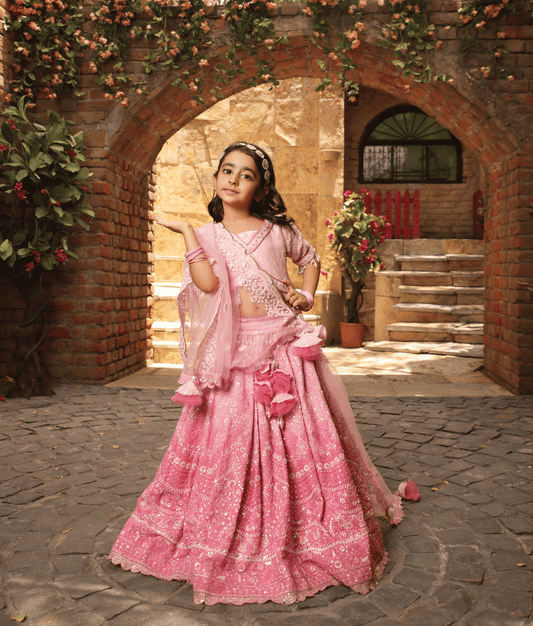
A kids lehenga for pooja sits at the intersection of all these considerations. It needs to look appropriately festive for a family gathering around a sacred ritual. It needs to meet the color and modesty conventions that most Hindu pooja traditions observe. And it needs to be comfortable enough that a young girl can sit cross-legged for extended periods, participate in the ritual, and move freely through the occasion without the outfit becoming a source of distraction.
This guide covers every aspect of choosing the right lehenga for a girl attending a pooja: which pooja occasions call for which styles, the color conventions that matter, the fabrics that work best for seated ceremonies, and how to accessorize appropriately for a devotional rather than a celebratory context.
Which Pooja Occasions Call for a Kids Lehenga
Not all pooja occasions have the same dress code expectations, and understanding the difference helps parents make the right choice for each event.
Satyanarayan Pooja
One of the most commonly observed home poojas in North Indian Hindu families, the Satyanarayan Pooja is a domestic ritual performed on auspicious occasions such as housewarmings, birthdays, and before major life events. It is typically a family gathering of moderate size.
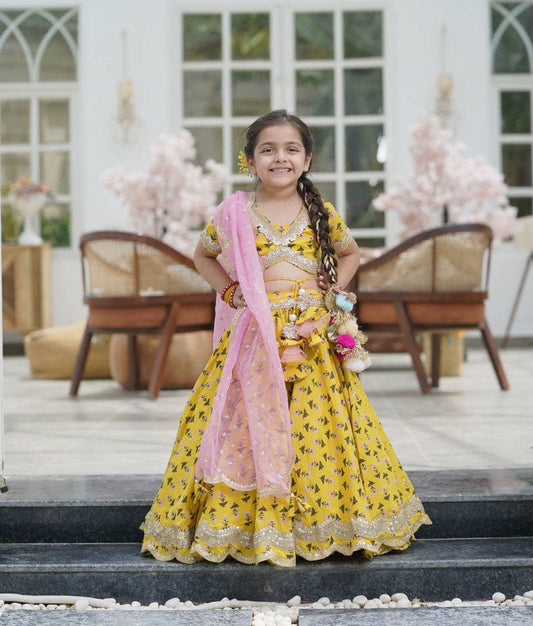
Dress code expectation: Traditional, modest, and auspicious. Yellow, orange, and red are the most appropriate color choices. The lehenga should be in a traditional silhouette with moderate embellishment.
Diwali Pooja (Lakshmi Pooja)
The Lakshmi Pooja on Diwali evening is performed at home with the family before the night's celebrations begin. It is a short ritual but an important one, and children are expected to be dressed for the occasion.
Dress code expectation: Festive and auspicious. Red, gold, yellow, and orange are traditional color choices associated with Goddess Lakshmi. The lehenga can carry more embellishment here than for a more austere home pooja.
Navratri Pooja
Navratri involves daily pooja over nine days, each day with a specific color associated with the form of Devi being worshipped. Girls attending Navratri pooja, particularly in Gujarati and North Indian traditions, wear color-specific festive clothing for each day.
Dress code expectation: Color-specific to the day's tradition, festive but manageable for daily wear over nine days. Lighter fabrics are advisable, given the frequency of the occasions.
Griha Pravesh and Housewarming Poojas
A housewarming pooja is a formal domestic ritual that typically involves the extended family. Children attending are expected to be dressed in traditional, auspicious clothing.
Dress code expectation: Traditional and moderate in embellishment. Warm, auspicious colors. Practical enough for an event where children will be sitting and moving through a new home.
Color Guidelines for a Pooja Lehenga: What Tradition Says
Color choice for a pooja lehenga is one of the most important decisions a parent makes, because color carries specific religious and cultural meaning in Hindu ceremonial contexts.
Colors that are traditionally auspicious for pooja:
|
Color |
Deity Association |
Pooja Occasions |
|
Yellow |
Goddess Saraswati, auspiciousness |
Saraswati Pooja, Basant Panchami, and general auspicious occasions |
|
Red |
Goddess Durga and Lakshmi, power and prosperity |
Navratri, Diwali Pooja, Satyanarayan Pooja |
|
Orange and Saffron |
Devotion, spiritual energy |
Most home poojas, religious ceremonies |
|
Green |
Goddess Parvati, fertility and growth |
Teej, Hariyali occasions, general domestic poojas |
|
White |
Purity, Goddess Saraswati |
Saraswati Pooja, specifically, some regional traditions |
Colors to approach carefully for pooja occasions:
- Black: traditionally inauspicious in most Hindu pooja contexts and best avoided
- Heavily saturated dark tones with no warm accent: may read as misaligned with the devotional aesthetic
For girls' festive wear that honours these color conventions, our kids' ethnic wear collection includes lehenga and kurta options in the full range of pooja-appropriate colors.
The Best Lehenga Styles for Girls at a Pooja
Simple Silk Lehenga with Minimal Embellishment
A silk lehenga in an auspicious color with restrained embellishment is the most classically appropriate choice for a pooja setting. The visual statement comes from the fabric quality and the color rather than from heavy stone or beadwork.
Key features to look for:
- Gold zari border at the hem and blouse
- Simple embroidered neckline
- A dupatta that can be placed over the head during the ritual
Cotton Silk Lehenga for Everyday Pooja Occasions
For poojas that happen regularly, such as weekly Satyanarayan poojas or daily Navratri events, a cotton silk lehenga is more practical than a pure silk one. It can be managed more easily, is easier to care for, and is appropriate for the domestic scale of most home pooja gatherings.
Chanderi Lehenga for Warm-Weather Poojas
Many major pooja occasions fall in warm months. A chanderi lehenga provides the visual richness of a silk garment with the breathability of a lighter fabric, making it the most practical premium choice for poojas held in summer or during the monsoon season.
For ready-to-wear options that span across these styles and fabrics, our pret wedding collection includes designs in appropriate fabrics and colors for girls attending both domestic and formal pooja occasions.
Fabric Guide: What Works Best for Seated Pooja Ceremonies
Poojas require children to sit cross-legged for extended periods. This has direct implications for fabric and construction choices that are frequently overlooked.
The seated ceremony checklist for lehenga construction:
- Lehenga skirt width: A full, circular or A-line skirt with adequate fabric allows comfortable cross-legged sitting without the fabric pulling or restricting
- Waistband construction: An elasticated or drawstring waistband is more comfortable for long seated periods than a rigid hook-and-eye closure
- Lining weight: A heavy petticoat or lining creates unnecessary weight and discomfort during seated ceremonies; a lighter net or cotton lining is more appropriate
- Blouse construction: The blouse back closure should be comfortable to sit in for extended periods; hook-and-eye closures that dig in when seated are a common issue with poorly constructed cholis
Best fabrics for pooja lehengas by season:
|
Season |
Best Fabric Choice |
Why |
|
Summer (March to June) |
Cotton silk, chanderi |
Breathable, maintains appearance through long pooja |
|
Monsoon (July to September) |
Chanderi, Georgette |
Lightweight, does not trap heat |
|
Autumn (October to November) |
Silk, raw silk |
Richer appearance for major festivals |
|
Winter (December to February) |
Silk, velvet accents |
Appropriate weight for cooler ceremonies |
How to Accessorize a Pooja Lehenga for Girls
Accessories for a pooja should reflect the devotional character of the occasion. This means restraint, traditional choices, and nothing that competes with the ritual itself for attention.
Jewelry:
- Simple gold bangles or glass bangles in the lehenga's color
- Small gold earrings: studs or small jhumkas
- A simple necklace, avoiding very long or heavily jewelled pieces, for young girls
- Maang tikka for older girls attending significant poojas
Hair:
- A simple plait or low bun is the most traditionally appropriate hairstyle for a pooja
- A small floral accessory: jasmine, marigold, or a fabric flower in a matching color
- Avoid elaborate hair styling that takes more visual attention than the occasion warrants
Footwear:
- Mojris or juttis in gold or a complementary color
- Simple flat sandals in matching fabric
- Children remove footwear before entering the pooja space in most traditions, so elaborate footwear is secondary
For coordinating a girl's pooja lehenga with her brother's festive outfit, our boys kurta salwar collection includes traditional kurta sets in auspicious colors that pair naturally with girls' pooja lehengas.
A Note on Dupatta Draping for Pooja
The dupatta plays a specific functional role in pooja dressing that it does not have in most other festive contexts. During the pooja itself, the dupatta is placed over the head as a gesture of respect and devotion. This means:
- The dupatta must be long enough to cover the head comfortably when placed there
- It must stay in place without constant readjustment
- For very young girls, the dupatta can be pinned at one shoulder and placed over the head for photographs rather than being managed throughout the event
For families wanting a comprehensive reference for girls' occasion wear across different ceremonies and celebrations, our wedding dress for kids collection demonstrates the full design range available for girls from everyday festive occasions through to formal wedding ceremonies.
Ready to dress your daughter for her next pooja in something truly beautiful? Contact Fayon Kids today for a custom-made kids lehenga in the right color, fabric, and fit.
Frequently Asked Questions
Q1: Which color lehenga is considered most auspicious for a pooja?
Yellow, red, and orange are the most widely considered auspicious colors for Hindu pooja occasions. The specific appropriate color may vary depending on the deity being worshipped and the regional tradition being observed.
Q2: Can a girl wear a lehenga to a daily Navratri pooja, or is it too formal?
A lightweight cotton, silk or chanderi lehenga is perfectly appropriate for daily Navratri pooja. Save the more heavily embellished silk lehengas for the formal garba nights and the main celebration events.
Q3: Should the lehenga dupatta cover the head during a pooja?
In most Hindu pooja traditions, women and girls are expected to cover their heads during the ritual portion of the ceremony. The dupatta serves this purpose. Ensure the dupatta is long enough and light enough to be placed over the head comfortably.
Q4: What is the most practical lehenga construction for a young girl who needs to sit cross-legged during a pooja?
A full A-line or circular skirt with an elasticated waistband and a light cotton or net lining is the most comfortable construction for seated ceremony wear. Avoid heavy petticoats and rigid waistbands for pooja occasions.
Q5: Can a cotton lehenga be appropriate for a formal Satyanarayan Pooja?
A cotton, silk or chanderi lehenga is entirely appropriate for a Satyanarayan Pooja. The fabric quality and the color carry the devotional aesthetic; the exact fibre content is secondary to the overall appearance.
Q6: How far in advance should I order a custom pooja lehenga for my daughter?
We recommend four to five weeks for a standard custom order. If you need the lehenga for a specific upcoming festival pooja during the October to January peak season, placing the order six weeks in advance is more comfortable.