




-
Regular price Rs.3,187Sale price Rs.3,187 Regular priceUnit price per
Rs.5,311Ships in 5-6 days.
Get it by Sun, Oct 04 – Mon, Oct 05
Sale -
Regular price Rs.4,185Sale price Rs.4,185 Regular priceUnit price per
Ships in 5-6 days.
Get it by Sun, Oct 04 – Mon, Oct 05
-
Regular price Rs.4,268Sale price Rs.4,268 Regular priceUnit price per
Ships in 5-6 days.
Get it by Sun, Oct 04 – Mon, Oct 05
-
Regular price Rs.4,185Sale price Rs.4,185 Regular priceUnit price per
Ships in 5-6 days.
Get it by Sun, Oct 04 – Mon, Oct 05
-
Regular price Rs.4,027Sale price Rs.4,027 Regular priceUnit price per
Ships in 5-6 days.
Get it by Sun, Oct 04 – Mon, Oct 05
-
Regular price Rs.3,541Sale price Rs.3,541 Regular priceUnit price per
Ships in 5-6 days.
Get it by Sun, Oct 04 – Mon, Oct 05
-
Regular price Rs.4,268Sale price Rs.4,268 Regular priceUnit price per
Ships in 5-6 days.
Get it by Sun, Oct 04 – Mon, Oct 05
-
Regular price Rs.3,187Sale price Rs.3,187 Regular priceUnit price per
Rs.5,311Ships in 5-6 days.
Get it by Sun, Oct 04 – Mon, Oct 05
Sale -
Regular price Rs.7,200Sale price Rs.7,200 Regular priceUnit price per
Ships in 5-6 days.
Get it by Sun, Oct 04 – Mon, Oct 05
-
Regular price Rs.4,185Sale price Rs.4,185 Regular priceUnit price per
Ships in 5-6 days.
Get it by Sun, Oct 04 – Mon, Oct 05
-
Regular price Rs.3,970Sale price Rs.3,970 Regular priceUnit price per
Ships in 5-6 days.
Get it by Sun, Oct 04 – Mon, Oct 05
-
Regular price Rs.5,902Sale price Rs.5,902 Regular priceUnit price per
Ships in 5-6 days.
Get it by Sun, Oct 04 – Mon, Oct 05
-
Regular price Rs.18,802Sale price Rs.18,802 Regular priceUnit price per
Ships in 5-6 days.
Get it by Sun, Oct 04 – Mon, Oct 05
-
Regular price Rs.18,802Sale price Rs.18,802 Regular priceUnit price per
Ships in 5-6 days.
Get it by Sun, Oct 04 – Mon, Oct 05
-
Regular price Rs.6,441Sale price Rs.6,441 Regular priceUnit price per
Ships in 5-6 days.
Get it by Sun, Oct 04 – Mon, Oct 05
-
Regular price Rs.5,186Sale price Rs.5,186 Regular priceUnit price per
Ships in 5-6 days.
Get it by Sun, Oct 04 – Mon, Oct 05
-
Regular price Rs.5,186Sale price Rs.5,186 Regular priceUnit price per
Ships in 5-6 days.
Get it by Sun, Oct 04 – Mon, Oct 05


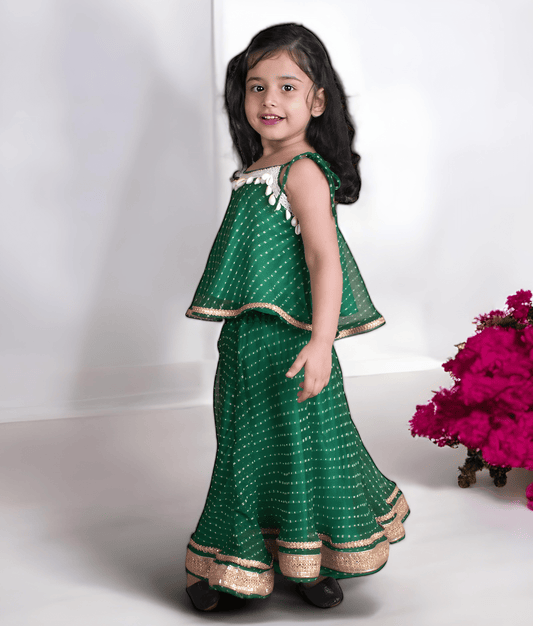

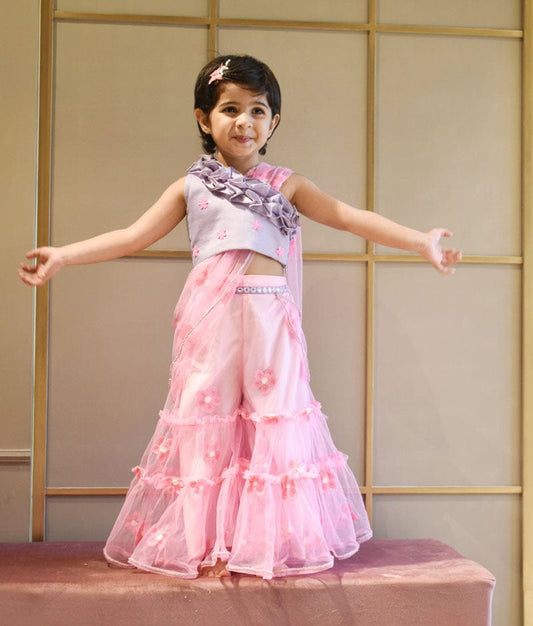



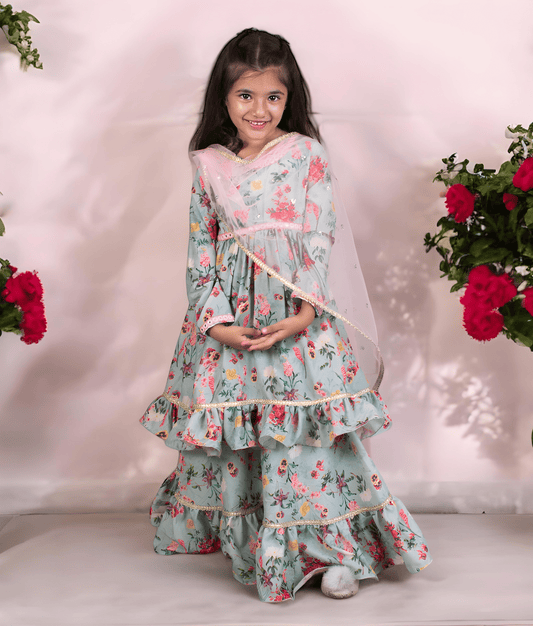


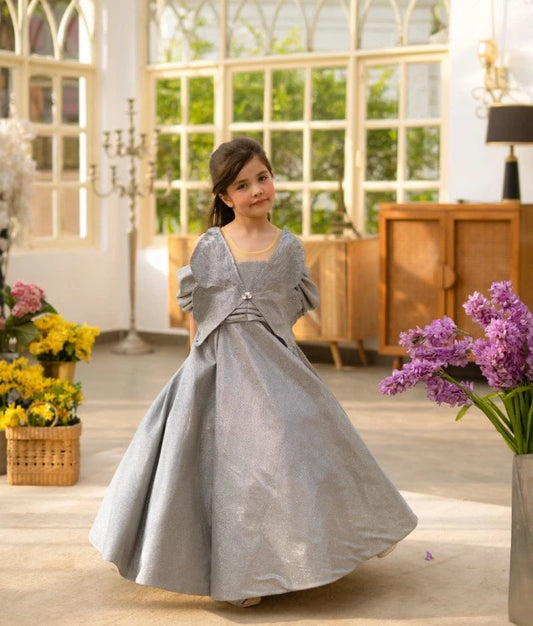


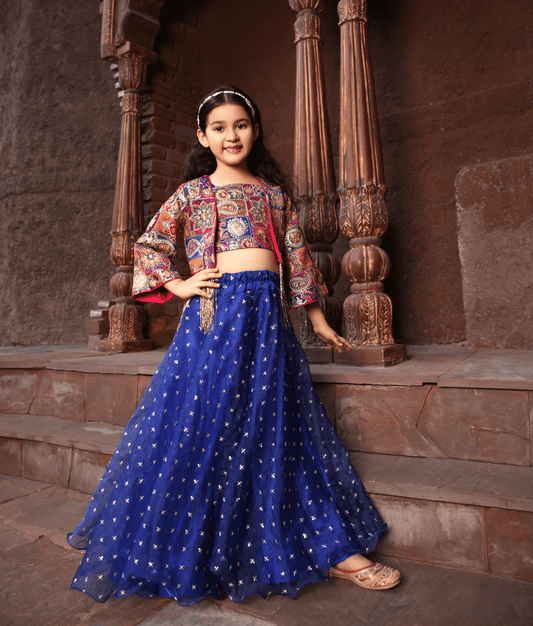


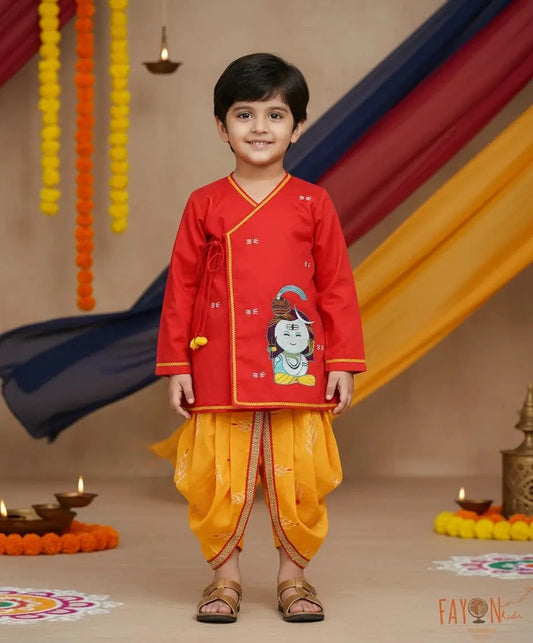

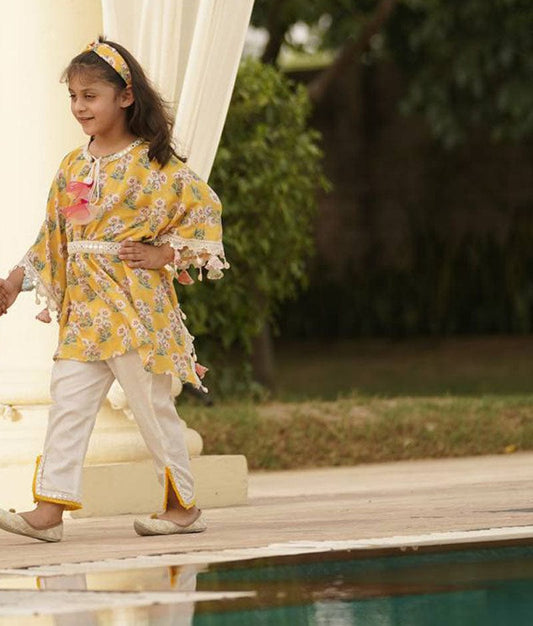

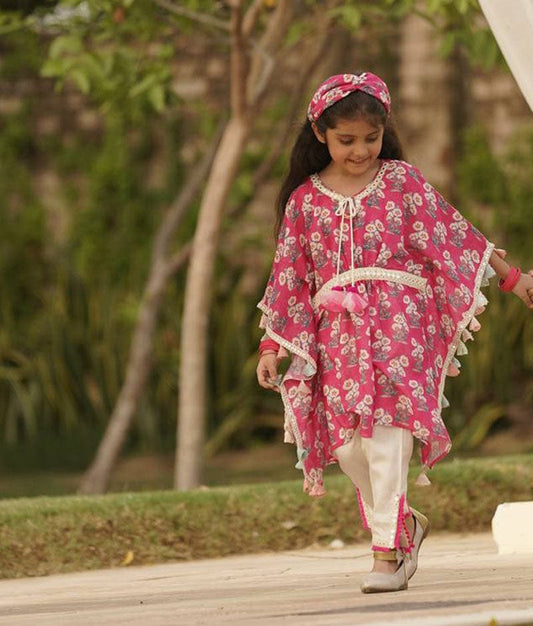

Kids Outfit for Temple Visit: Dressing Children with Respect, Comfort, and Grace
A temple visit is not a fashion event. It is a devotional act, and the clothing worn to a temple reflects the respect, mindfulness, and spiritual orientation a family brings to that act. At the same time, dressing children for a temple visit is a practical challenge: they need to be dressed appropriately, comfortably, and in a way that allows them to participate in the rituals, sit on the floor, remove their footwear at the entrance, and move freely through what is often a busy, active environment.
The kids outfit for temple visit occupies a specific and often underserved space in the conversation about children's ethnic wear. It is not as glamorous as wedding occasion wear or as vibrant as festival dressing. But it is one of the most consistently relevant outfit categories in a religious Indian family's life, because most families visit their temple or mandir regularly: on festival days, on auspicious dates, for family milestones, or simply as a regular devotional practice. Getting this category of dressing right for children is genuinely useful knowledge.
The Core Principles of Temple Dressing for Children
Before getting into specific outfit recommendations, it helps to understand the principles that guide appropriate temple dressing. These principles are consistent across most Hindu temple traditions in India and among the diaspora.
Modesty: Clothing for a temple visit should cover the body appropriately. This means full-length or knee-length lower garments, covered shoulders, and nothing that reveals the midriff or upper body in a way that would be considered immodest in a devotional context.
Cleanliness: Temple dressing should involve freshly washed clothing. This is both a practical and a symbolic requirement in most Hindu traditions.
Traditional preference: Most temple environments have an implicit preference for traditional Indian ethnic wear over Western clothing. Jeans, shorts, t-shirts, and sleeveless tops are generally considered inappropriate for temple visits in most communities. Traditional kurtas, salwar kameez, and lehengas are the natural choices.
Comfort for children: Children attending a temple visit may be required to sit on the floor for extended periods during puja, stand in queues, and navigate stone floors, steps, and crowded spaces. Their outfit must allow all of this without restriction or discomfort.
Footwear management: All visitors remove their footwear before entering a temple. Children's footwear should be easy to remove and put back on independently or with minimal parental assistance.
Recommended Outfit Styles for Girls at Temple Visits
Salwar Kameez Sets
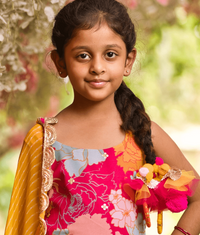
A salwar kameez is the most practical and most widely appropriate outfit choice for girls at temple visits across all ages and regions. The full leg coverage of the salwar, the modest neckline of the kameez, and the dupatta for head covering make it ideally suited to the temple context.
Best fabric choices for temple visit salwar kameez:
-
Cotton: the most practical choice for regular temple visits, particularly in warm weather
-
Cotton silk: slightly more elevated for significant festival temple visits
-
Chanderi: appropriate for more formal darshans on major festival days
Design approach:
-
Simple embroidery at the neckline and hem
-
Traditional color choices: mustard, yellow, green, saffron, or soft pink
-
Dupatta long enough to be placed over the head during prayer
Lehenga Sets for Festival Temple Visits
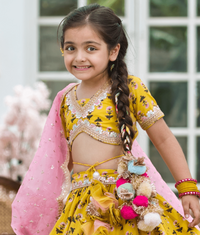
For significant temple visits on festival days, such as Navratri, Diwali, Janmashtami, or a major pilgrimage, a lehenga set is entirely appropriate and celebratory.
The lehenga for a temple visit should:
-
Be full length or at least calf-length
-
Have a blouse with covered shoulders or short sleeves
-
Include a dupatta long enough for head covering
-
Be in auspicious, devotion-appropriate colors
For girls' festive lehenga options in auspicious colors suited to temple visit dressing on festival days, our kids' ethnic wear collection includes designs in the traditional ethnic fabrics and colors most appropriate for devotional occasions.
Anarkali Suits
An anarkali suit is one of the most naturally temple-appropriate silhouettes for girls because it is inherently modest: the full-length flared silhouette covers the legs completely, the fitted bodice has a traditional neckline, and the overall aesthetic is dignified and devotional in character.
Best for: Regular temple visits and festival darshans across all age groups
Recommended Outfit Styles for Boys at Temple Visits
Kurta Pyjama
The kurta pyjama is the standard and most appropriate outfit for boys at temple visits across all regions and communities. It is modest, traditional, and practical.
Design approach for temple visit kurta:
-
Simple embroidery at the neckline or a plain traditional neckline
-
White, cream, yellow, saffron, or other auspicious colors
-
Full-length pyjama rather than shorter options
-
No excessively casual prints or Western-influenced design elements
For boys' kurta options in traditional fabrics and auspicious colors suited to temple dressing, our boys kurta salwar collection includes a range of styles appropriate for both regular and festival temple visits.
Dhoti Kurta for Formal Temple Occasions
For significant temple visits, pilgrimages, or major festival darshans, a dhoti kurta is the most traditionally correct and most devotionally appropriate outfit for boys.
White or cream cotton dhoti with a simple kurta is the most widely appropriate choice. Silk dhoti kurta in traditional colors like yellow or saffron is appropriate for major festival occasions.
For structured boys' ceremonial wear that translates naturally into formal temple visit dressing, our boys achkan collection includes traditional structured styles in appropriate fabrics and colors.
Color Guide for Temple Visit Outfits
Color in temple dressing carries specific devotional significance in Hindu tradition. Understanding this helps parents make color choices that feel aligned with the occasion rather than arbitrary.
|
Color |
Devotional Association |
Appropriate For |
|
Yellow |
Auspiciousness, divine light, Goddess Saraswati |
All temple visits, especially Tuesday and Thursday |
|
Saffron and Orange |
Devotion, spiritual energy, sacred fire |
Regular temple visits, major festivals |
|
White and Cream |
Purity, clarity, Goddess Saraswati |
Regular visits, Saraswati Pooja, peaceful darshans |
|
Red |
Goddess Durga, Goddess Lakshmi, power |
Navratri, Diwali, goddess temples |
|
Green |
Goddess Parvati, growth, auspiciousness |
Teej, nature-connected festivals |
|
Pink |
Gentle devotion, Radha, Goddess Durga in some traditions |
General temple visits, Navratri |
Colors to avoid for temple visits:
-
Black in most Hindu temple contexts
-
Heavily patterned or graphic prints that feel casual or Western
-
Very bright, fashion-forward colors that feel more celebratory than devotional in character
Fabric Considerations for Temple Visits by Season
Temple visits happen year-round, and fabric choice must account for the season and the physical demands of the visit itself.
Summer temple visits (March to June):
-
Cotton and cotton blends: essential for comfort in warm temples
-
Chanderi: lightweight with modest appearance
-
Avoid: synthetic fabrics that trap heat, heavy silk for regular visits
Monsoon temple visits (July to September):
-
Cotton and chanderi: fast-drying and breathable
-
Avoid: very light fabrics that become transparent when wet, heavy embellished pieces that can be damaged by rain
Winter temple visits (October to February):
-
Cotton silk and silk: warmer and appropriate for festival season visits
-
Light shawl or stole as an addition for warmth
-
Chanderi with a layer works well for early morning temple visits in cooler weather
Practical Details That Matter for Temple Visit Dressing
Footwear selection: Temple visitors remove shoes at the entrance. For children, footwear should be:
-
Easy to slip on and off without assistance
-
Clearly labelled or distinctive so children recognize their own footwear in a busy cloakroom
-
Simple enough that losing one piece is not a major problem: avoid highly embellished or expensive footwear for regular temple visits
Head covering readiness: The dupatta or stole must be long enough and appropriately placed for head covering. For girls and women in most Hindu temple traditions, covering the head during prayer is expected. For boys in some traditions, a small pagdi or simply the act of bowing is the equivalent.
Avoid: Tight waistbands or uncomfortable construction that makes sitting cross-legged on a hard temple floor uncomfortable for children. An elasticated or drawstring waistband in trousers, pyjama, or lehenga is more practical for temple visit dressing than structured closures.
For families planning festive temple visits on significant occasions who want more elevated traditional dressing, our pret wedding collection includes ready-to-wear pieces in traditional fabrics and festive colors that sit above everyday temple dressing in occasion weight while still being fully appropriate for devotional contexts.
Dress your children for their temple visits with the respect and care the occasion deserves. Contact Fayon Kids for custom-made traditional occasion wear appropriate for both regular and special temple dressing.
Frequently Asked Questions
Q1: What is the most important rule for dressing children for a temple visit?
Modesty and traditional ethnic wear are the two most important principles. Children should be in full-length or knee-length traditional Indian clothing with covered shoulders and an appropriate neckline. Western casual wear like jeans and T-shirts is generally considered inappropriate for temple visits.
Q2: Can girls wear jeans to a temple visit?
Jeans are generally not appropriate for temple visits in most Hindu traditions. A salwar kameez, anarkali, or lehenga is the correct choice for girls at any temple occasion.
Q3: What is the best color to wear for a temple visit?
Yellow, saffron, white, and red are the most traditionally auspicious colors for Hindu temple visits. The specific deity worshipped at the temple may also influence the most appropriate color choice.
Q4: Should children's temple visit outfits be different for a regular visit versus a major festival darshan?
Yes. A regular temple visit calls for simple, clean, traditional cotton or chanderi ethnic wear. A major festival darshan warrants more elevated dressing in better fabric with appropriate embellishment, similar to the standard applied to other formal Indian occasions.
Q5: What footwear is most practical for children at temple visits?
Simple slip-on mojris, embroidered flats, or clean sandals that are easy to remove and put back on are the most practical choices. Avoid complex lacing, buckles, or footwear that takes significant time to manage at the temple entrance.
Q6: Is it appropriate to wear the same outfit to both a temple visit and a family pooja at home?
Yes. An outfit appropriate for a temple visit is generally appropriate for a home pooja as well, as both call for the same traditional, modest, and auspicious dressing standards. The same kurta pyjama or salwar kameez worn to a temple can be worn for a home Satyanarayan Pooja or Diwali Lakshmi Pooja.