



-
Regular price Rs.6,116Sale price Rs.6,116 Regular priceUnit price per
Ships in 5-6 days.
Get it by Mon, Aug 10 – Tue, Aug 11
-
Regular price Rs.3,541Sale price Rs.3,541 Regular priceUnit price per
Ships in 5-6 days.
Get it by Mon, Aug 10 – Tue, Aug 11
-
Regular price Rs.2,100Sale price Rs.2,100 Regular priceUnit price per
Ships in 5-6 days.
Get it by Mon, Aug 10 – Tue, Aug 11
-
Regular price Rs.6,545Sale price Rs.6,545 Regular priceUnit price per
Ships in 5-6 days.
Get it by Mon, Aug 10 – Tue, Aug 11
-
Regular price Rs.4,743Sale price Rs.4,743 Regular priceUnit price per
Ships in 5-6 days.
Get it by Mon, Aug 10 – Tue, Aug 11
-
Regular price Rs.5,311Sale price Rs.5,311 Regular priceUnit price per
Ships in 5-6 days.
Get it by Mon, Aug 10 – Tue, Aug 11
-
Regular price Rs.6,634Sale price Rs.6,634 Regular priceUnit price per
Rs.10,354Ships in 5-6 days.
Get it by Mon, Aug 10 – Tue, Aug 11
Sale -
Regular price Rs.17,490Sale price Rs.17,490 Regular priceUnit price per
Ships in 5-6 days.
Get it by Mon, Aug 10 – Tue, Aug 11
-
Regular price Rs.12,661Sale price Rs.12,661 Regular priceUnit price per
Ships in 5-6 days.
Get it by Mon, Aug 10 – Tue, Aug 11
-
Regular price Rs.11,878Sale price Rs.11,878 Regular priceUnit price per
Ships in 5-6 days.
Get it by Mon, Aug 10 – Tue, Aug 11
-
Regular price Rs.10,591Sale price Rs.10,591 Regular priceUnit price per
Ships in 5-6 days.
Get it by Mon, Aug 10 – Tue, Aug 11
-
Regular price Rs.8,584Sale price Rs.8,584 Regular priceUnit price per
Ships in 5-6 days.
Get it by Mon, Aug 10 – Tue, Aug 11
-
Regular price Rs.7,157Sale price Rs.7,157 Regular priceUnit price per
Ships in 5-6 days.
Get it by Mon, Aug 10 – Tue, Aug 11
-
Regular price Rs.16,524Sale price Rs.16,524 Regular priceUnit price per
Ships in 5-6 days.
Get it by Mon, Aug 10 – Tue, Aug 11
-
Regular price Rs.3,004Sale price Rs.3,004 Regular priceUnit price per
Ships in 5-6 days.
Get it by Mon, Aug 10 – Tue, Aug 11
-
Regular price Rs.9,821Sale price Rs.9,821 Regular priceUnit price per
Ships in 5-6 days.
Get it by Mon, Aug 10 – Tue, Aug 11
-
Regular price Rs.5,015Sale price Rs.5,015 Regular priceUnit price per
Rs.7,127Ships in 5-6 days.
Get it by Mon, Aug 10 – Tue, Aug 11
Sale -
Regular price Rs.2,133Sale price Rs.2,133 Regular priceUnit price per
Ships in 5-6 days.
Get it by Mon, Aug 10 – Tue, Aug 11
-
Regular price Rs.4,268Sale price Rs.4,268 Regular priceUnit price per
Ships in 5-6 days.
Get it by Mon, Aug 10 – Tue, Aug 11
-
Regular price Rs.5,186Sale price Rs.5,186 Regular priceUnit price per
Ships in 5-6 days.
Get it by Mon, Aug 10 – Tue, Aug 11
-
Regular price Rs.5,186Sale price Rs.5,186 Regular priceUnit price per
Ships in 5-6 days.
Get it by Mon, Aug 10 – Tue, Aug 11
-
Regular price Rs.12,042Sale price Rs.12,042 Regular priceUnit price per
Ships in 5-6 days.
Get it by Mon, Aug 10 – Tue, Aug 11
-
Regular price Rs.2,133Sale price Rs.2,133 Regular priceUnit price per
Ships in 2-3 days.
Get it by Sat, Aug 08 – Mon, Aug 10
-
Regular price Rs.6,924Sale price Rs.6,924 Regular priceUnit price per
Ships in 5-6 days.
Get it by Mon, Aug 10 – Tue, Aug 11





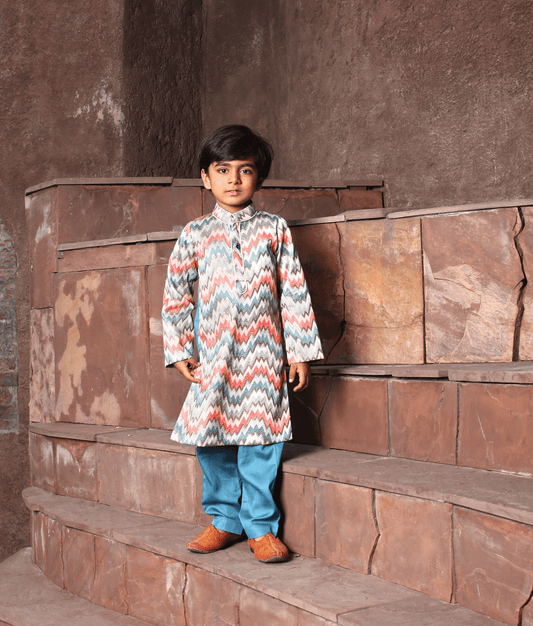

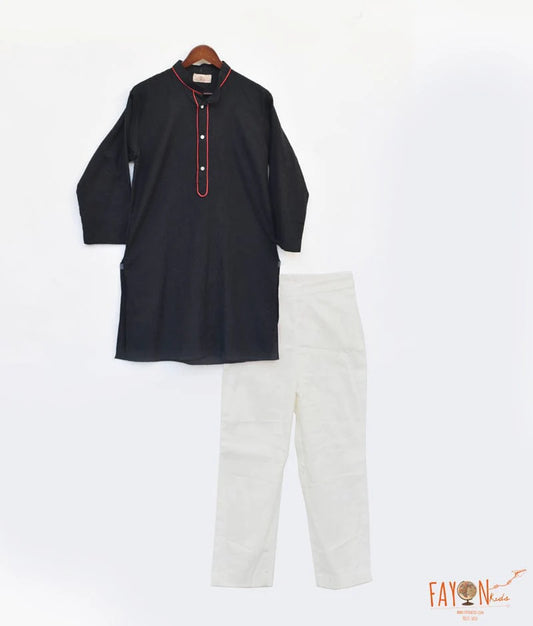
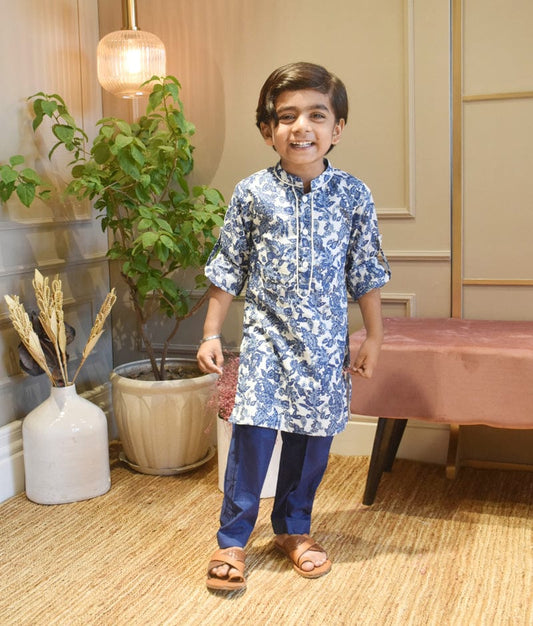

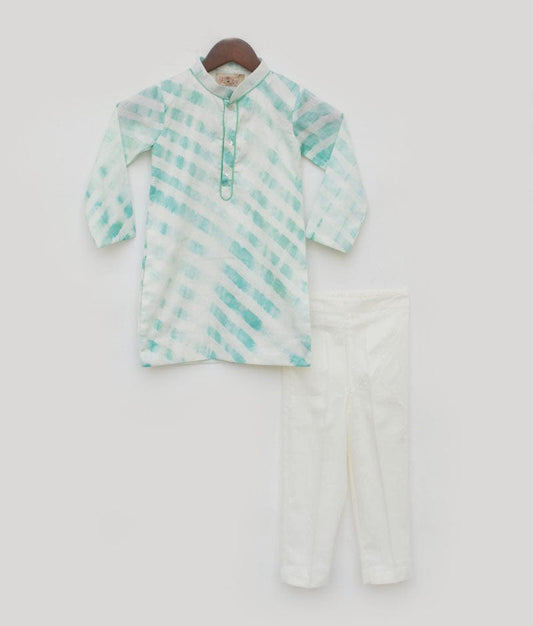

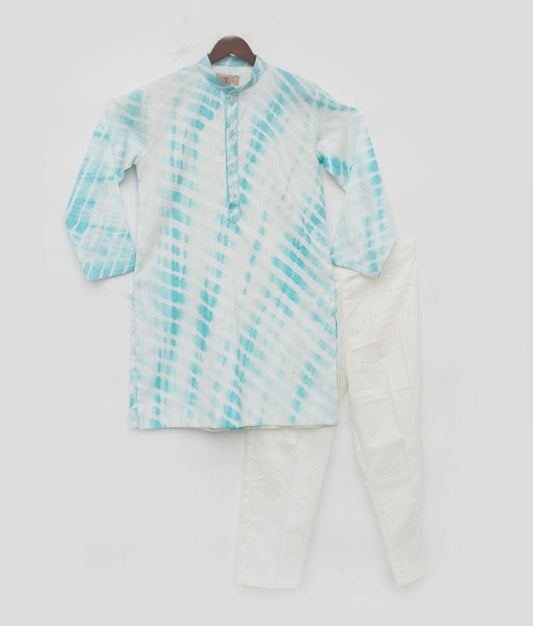

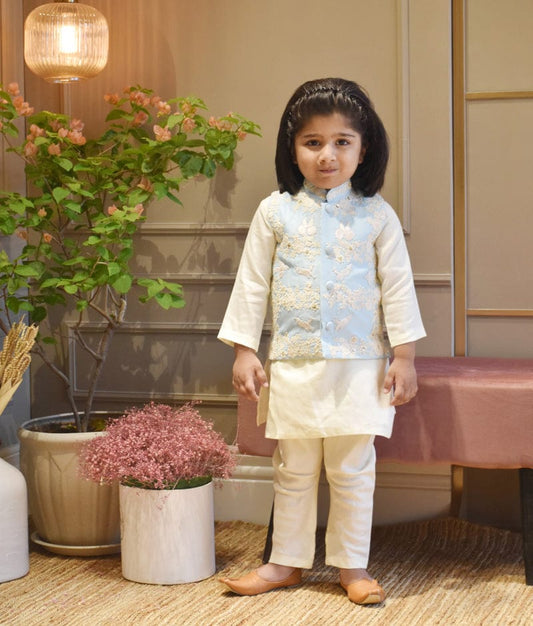

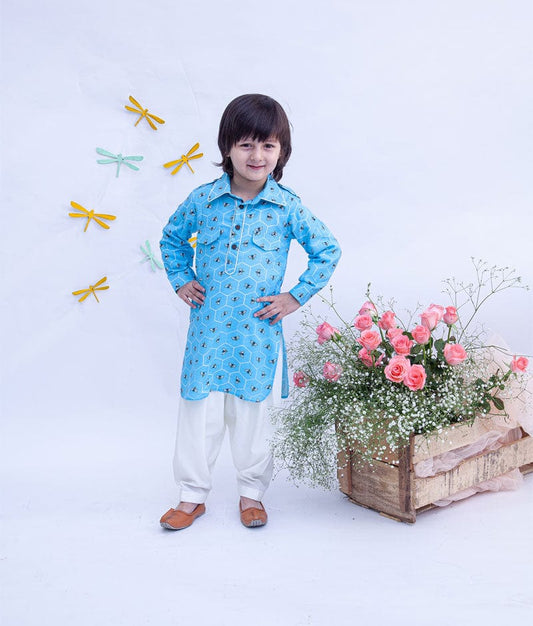


Kids Kurta Set for Pooja Occasion: Everything a Parent Needs to Know Before Buying
Every item on this checklist matters when you are choosing a kids kurta set for a pooja occasion. Fabric: does it breathe well for a long seated ceremony? Color: does it align with the auspicious traditions of your community? Construction: can a young child sit cross-legged through an extended puja without the waistband digging in? Embellishment: is it appropriate for a devotional context without being so plain that it looks like everyday wear? And crucially: does it look beautiful enough in photographs that this moment in your child's religious life is captured with the care it deserves?
These are the questions this guide answers. Not generally, but specifically. Section by section, with practical guidance that gives parents real knowledge to make real decisions.
Why a Pooja Kurta Set Is a Distinct Outfit Category
A kurta set for a pooja occasion is not the same as a festival kurta, a wedding kurta, or a school cultural event kurta. It has its own set of requirements that come directly from the nature of the occasion.
What makes a pooja occasion distinct:
-
It is a devotional and religious event, not primarily a social or visual one
-
It involves seated floor rituals that can last an extended period
-
It calls for color choices aligned with auspiciousness rather than fashion trends
-
The atmosphere is intimate and spiritual rather than celebratory and public
-
Children are expected to participate in the ritual, which means they need to be comfortable, not just visually appealing
These distinctions drive specific requirements in a pooja kurta set that do not apply to other ethnic wear categories.
The three requirements that define a pooja kurta set:
1. Comfort for seated, floor-based participation The kurta and lower garment must allow cross-legged sitting for extended periods. A rigid waistband, a heavy skirt, or a stiff collar will cause discomfort that manifests in restless children during the ritual itself.
2. Auspicious color alignment The color of a pooja outfit is not simply an aesthetic decision. In Hindu tradition, colors carry specific meanings and associations with different deities and occasions. Choosing the correct auspicious color for the specific pooja being observed shows cultural literacy and genuine respect for the occasion.
3. Appropriate modesty and coverage A pooja is a devotional context. The kurta should have adequate length, a non-revealing neckline, and appropriate coverage for a child attending a religious ceremony.
Kurta Set Styles for Boys at Pooja Occasions
Straight Kurta with Pyjama
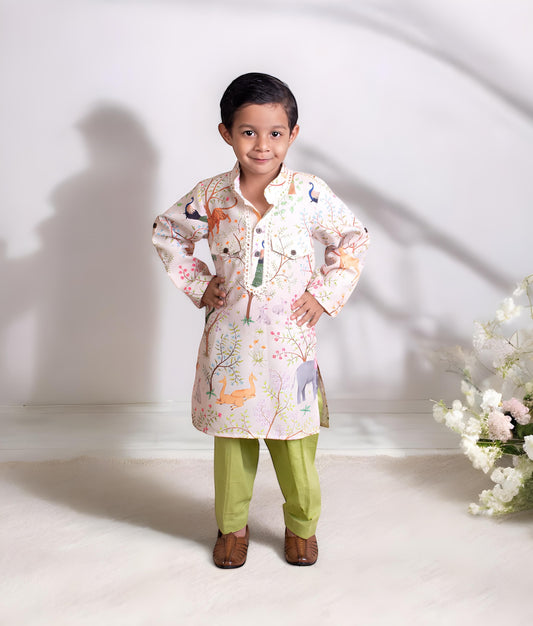
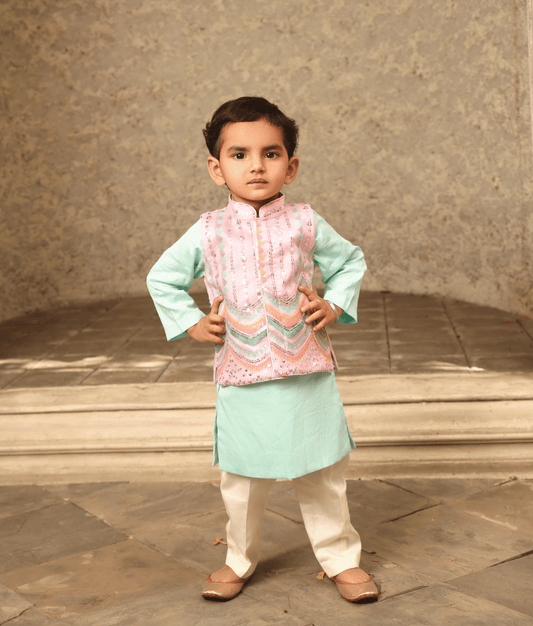
The most widely appropriate and most practical style for boys at all pooja occasions. The straight kurta in a traditional silhouette with a full-length pyjama is the default devotional outfit choice in most North Indian and Bengali Hindu households.
Design specifications for a pooja kurta:
-
Length: should fall to mid-thigh or knee, not shorter
-
Neckline: mandarin or Nehru collar, or a simple round neck without deep V-cuts
-
Sleeve length: full-length sleeves for formal poojas, three-quarter sleeves acceptable for warm weather home poojas
-
Embellishment: simple thread embroidery at the neckline or a plain contrast border at the hem
-
Pyjama: full-length, elasticated waist for ease and comfort during seated rituals
Kurta with Dhoti
For poojas where traditional observance is a priority, a kurta with dhoti or pre-stitched dhoti-style lower garment is the most authentic and most devotionally appropriate choice for boys.
White or cream dhoti with a matching or complementary kurta in yellow, saffron, or cream is the most traditional combination across most North Indian and South Indian Hindu communities.
For boys' kurta sets in traditional fabrics and auspicious colors suited to pooja occasions, our boys kurta salwar collection includes options across age groups from toddlers through tweens in the fabrics and designs appropriate for devotional dressing.
Angrakha or Overlap-Front Kurta
An angrakha-style kurta with an overlap front closure has a specific traditional character that suits formal home poojas and religious ceremonies very well. The silhouette references the regional textile traditions of Rajasthan and parts of North India and photographs with a heritage character that suits the ceremonial weight of a significant pooja.
Best occasions for the angrakha kurta: Satyanarayan Pooja, griha pravesh, Diwali Lakshmi Pooja, major pilgrimage events
Kurta Set Styles for Girls at Pooja Occasions
Salwar Kameez
The most practical and most universally appropriate choice for girls at pooja occasions. A salwar kameez in an auspicious color with a dupatta for head covering during prayer is suited to every kind of pooja, from regular home ceremonies to formal temple darshans.
What to look for in a pooja salwar kameez:
-
Modest neckline and covered shoulders
-
Full-length salwar for appropriate coverage
-
Dupatta long enough to be placed over the head during prayer
-
Auspicious color in the appropriate range for the specific pooja
Kurta with Palazzo or Churidar
For girls who find the full three-piece salwar kameez slightly more formal than the occasion requires, a long kurta with wide-legged palazzo pants is a practical and appropriate alternative. It maintains the modest coverage required for a pooja context while being slightly more relaxed in construction.
This style works particularly well for regular home poojas that happen weekly or monthly, where a full salwar kameez might feel slightly over-dressed for an intimate family ritual.
Simple Lehenga Set for Festival Poojas
For significant festival poojas, such as Diwali Lakshmi Pooja, Navratri Devi Pooja, or Janmashtami Pooja, a simple silk or chanderi lehenga in an auspicious color is appropriate and celebratory.
For girls' festive occasion wear in auspicious colors and traditional fabrics suited to festival pooja dressing, our pret wedding collection includes ready-to-wear pieces that sit appropriately between everyday dressing and formal occasion wear for significant home pooja events.
The Auspicious Color Guide for Pooja Kurta Sets
This is the most culturally specific and most important section of this guide. Color in Hindu pooja tradition is not arbitrary. Each color carries devotional meaning, and choosing the right color for a specific pooja demonstrates knowledge and respect for the tradition being observed.
|
Pooja Occasion |
Auspicious Color |
Deity Association |
|
Satyanarayan Pooja |
Yellow, saffron, cream |
Lord Vishnu |
|
Lakshmi Pooja (Diwali) |
Red, yellow, gold |
Goddess Lakshmi |
|
Navratri Pooja |
Day-specific (see Navratri color chart) |
Nine forms of Devi |
|
Saraswati Pooja |
Yellow, white, cream |
Goddess Saraswati |
|
Ganesh Pooja |
Red, yellow, green |
Lord Ganesh |
|
Shiva Pooja |
White, grey, blue |
Lord Shiva |
|
Hanuman Pooja |
Red, saffron, orange |
Lord Hanuman |
|
Durga Pooja |
Red, yellow, orange |
Goddess Durga |
|
Griha Pravesh Pooja |
Yellow, red, cream |
Multiple deities |
|
Janmashtami Pooja |
Yellow, saffron, peacock blue |
Lord Krishna |
General color guidance for regular home poojas: When the specific deity association is unclear or the pooja is a general puja rather than a specific deity-focused ceremony, yellow, saffron, and cream are the most widely appropriate and most universally auspicious choices across Hindu traditions.
Colors to avoid for all pooja occasions:
-
Black as the dominant color in most Hindu traditions
-
White as the dominant color in North Indian Hindu traditions (though it is appropriate in some South Indian and specific regional contexts)
-
Very dark, saturated tones that carry no auspicious association
-
Heavily Western-influenced prints or patterns that conflict with the devotional character of the occasion
Fabric Guide for Pooja Kurta Sets by Season and Occasion
For daily or weekly home poojas: Cotton and cotton silk are the most practical choices. They are washable, breathable, and comfortable for the seated floor postures required during a regular home puja. The outfit does not need the visual richness of a special occasion piece for a regular ceremony.
For significant festival poojas: Silk and chanderi carry the visual weight appropriate to a major festival ceremony. Raw silk, Banarasi silk, and chanderi are all appropriate depending on the specific occasion and the family's tradition.
For warm-weather festival poojas: Chanderi is the most reliable choice: it has the visual richness of silk without the heat retention, making it comfortable through extended puja sessions in warm indoor environments.
For winter festival poojas: Pure silk and dupion silk are appropriate for the cooler months. A light shawl or stole in a complementary color can be added for warmth during early morning winter ceremonies.
For boys' structured occasion wear suited to more formal pooja events where a simple kurta is insufficient, our boys achkan collection includes ceremonially appropriate styles in traditional fabrics.
Accessory Guidelines for Children's Pooja Dressing
Accessories for a pooja should reflect the devotional character of the occasion. This means restraint and cultural alignment rather than fashion expression.
For boys:
-
Simple gold or silver kangan
-
Thin chain if the family tradition includes it
-
Traditional footwear: mojris or simple ethnic sandals that are easy to remove at the entrance
-
Avoid: heavy jewellery, fashion accessories with no devotional connection
For girls:
-
Small gold studs or simple jhumkas
-
Gold bangles in the correct size
-
Simple maang tikka for formal poojas
-
Bindi in red or maroon for all occasions
-
Dupatta placed over the head during prayer portions of the ceremony
-
Traditional footwear: mojris or flat embroidered sandals
For complete occasion wear reference across ceremony types for children, our wedding dress for kids collection covers the full range of formal occasion wear that extends beyond pooja dressing into wedding and milestone ceremony categories.
Ready to dress your child for their next pooja with the care and intention the occasion deserves? Contact Fayon Kids for custom-made traditional kurta sets in the right color, fabric, and measurements for your child.
Frequently Asked Questions
Q1: What is the most important consideration when choosing a kids kurta set for a pooja occasion?
Comfort for seated floor participation is the most important practical consideration, alongside auspicious color alignment with the specific pooja being observed. Both elements need to be right for the outfit to serve the occasion correctly.
Q2: Should boys wear a dhoti or pyjama with their pooja kurta?
Both are appropriate depending on the family's tradition and the formality level of the pooja. A dhoti or pre-stitched dhoti-style lower garment is more traditionally correct for formal poojas. A pyjama is more practical for regular home poojas and for very young boys.
Q3: What color kurta is most widely appropriate for a Hindu pooja occasion?
Yellow and saffron are the most widely auspicious colors across most Hindu pooja traditions. When in doubt about the specific deity's color association, yellow is the safest and most universally appropriate choice.
Q4: Can a girl wear a lehenga to a home pooja or is a salwar kameez more appropriate?
Both are appropriate. A salwar kameez is more practical for regular home poojas because it is easier to manage and more comfortable for seated rituals. A lehenga set is appropriate and celebratory for significant festival poojas.
Q5: What fabric is most suitable for a pooja kurta set in the summer months?
Chanderi and cotton silk are the most suitable choices for summer pooja dressing. They are breathable, maintain their traditional appearance, and are comfortable through extended seated ceremonies in warm indoor environments.
Q6: How far in advance should I order a custom pooja kurta set for my child?
For a standard custom order, four weeks is typically sufficient for a pooja kurta set. For more elaborate pieces with detailed embroidery, five to six weeks gives more comfortable production time.
