



-
Regular price Rs.8,083Sale price Rs.8,083 Regular priceUnit price per
Ships in 5-6 days
Get it by Tue, Aug 04 – Wed, Aug 05
-
Regular price Rs.3,303Sale price Rs.3,303 Regular priceUnit price per
Ships in 5-6 days
Get it by Tue, Aug 04 – Wed, Aug 05
-
Regular price Rs.6,229Sale price Rs.6,229 Regular priceUnit price per
Ships in 5-6 days
Get it by Tue, Aug 04 – Wed, Aug 05
-
Regular price Rs.4,297Sale price Rs.4,297 Regular priceUnit price per
Ships in 2-3 days
Get it by Sun, Aug 02 – Tue, Aug 04
-
Regular price Rs.8,662Sale price Rs.8,662 Regular priceUnit price per
Ships in 5-6 days
Get it by Tue, Aug 04 – Wed, Aug 05
-
Regular price Rs.7,503Sale price Rs.7,503 Regular priceUnit price per
Ships in 5-6 days
Get it by Tue, Aug 04 – Wed, Aug 05
-
Regular price Rs.5,186Sale price Rs.5,186 Regular priceUnit price per
Ships in 2-3 days
Get it by Sun, Aug 02 – Tue, Aug 04
-
Regular price Rs.6,594Sale price Rs.6,594 Regular priceUnit price per
Ships in 5-6 days
Get it by Tue, Aug 04 – Wed, Aug 05
-
Regular price Rs.6,594Sale price Rs.6,594 Regular priceUnit price per
Ships in 5-6 days
Get it by Tue, Aug 04 – Wed, Aug 05
-
Regular price Rs.6,634Sale price Rs.6,634 Regular priceUnit price per
Ships in 5-6 days
Get it by Tue, Aug 04 – Wed, Aug 05
-
Regular price Rs.2,340Sale price Rs.2,340 Regular priceUnit price per
Ships in 5-6 days
Get it by Tue, Aug 04 – Wed, Aug 05
-
Regular price Rs.2,415Sale price Rs.2,415 Regular priceUnit price per
Ships in 5-6 days
Get it by Tue, Aug 04 – Wed, Aug 05
-
Regular price Rs.2,940Sale price Rs.2,940 Regular priceUnit price per
Ships in 5-6 days
Get it by Tue, Aug 04 – Wed, Aug 05
-
Regular price Rs.5,476Sale price Rs.5,476 Regular priceUnit price per
Ships in 2-3 days
Get it by Sun, Aug 02 – Tue, Aug 04
-
Regular price Rs.4,626Sale price Rs.4,626 Regular priceUnit price per
Rs.7,710Ships in 2-3 days
Get it by Sun, Aug 02 – Tue, Aug 04
Sale -
Regular price Rs.1,782Sale price Rs.1,782 Regular priceUnit price per
Rs.2,970Ships in 2-3 days
Get it by Sun, Aug 02 – Tue, Aug 04
Sale -
Regular price Rs.2,897Sale price Rs.2,897 Regular priceUnit price per
Rs.4,829Ships in 2-3 days
Get it by Sun, Aug 02 – Tue, Aug 04
Sale -
Regular price Rs.2,200Sale price Rs.2,200 Regular priceUnit price per
Ships in 5-6 days
Get it by Tue, Aug 04 – Wed, Aug 05
-
Regular price Rs.3,541Sale price Rs.3,541 Regular priceUnit price per
Rs.4,507Ships in 2-3 days
Get it by Sun, Aug 02 – Tue, Aug 04
Sale -
Regular price Rs.5,311Sale price Rs.5,311 Regular priceUnit price per
Ships in 2-3 days
Get it by Sun, Aug 02 – Tue, Aug 04
-
Regular price Rs.6,116Sale price Rs.6,116 Regular priceUnit price per
Ships in 5-6 days
Get it by Tue, Aug 04 – Wed, Aug 05
-
Regular price Rs.7,082Sale price Rs.7,082 Regular priceUnit price per
Ships in 5-6 days
Get it by Tue, Aug 04 – Wed, Aug 05
-
Regular price Rs.5,311Sale price Rs.5,311 Regular priceUnit price per
Ships in 5-6 days
Get it by Tue, Aug 04 – Wed, Aug 05
-
Regular price Rs.1,200Sale price Rs.1,200 Regular priceUnit price per
Ships in 5-6 days
Get it by Tue, Aug 04 – Wed, Aug 05


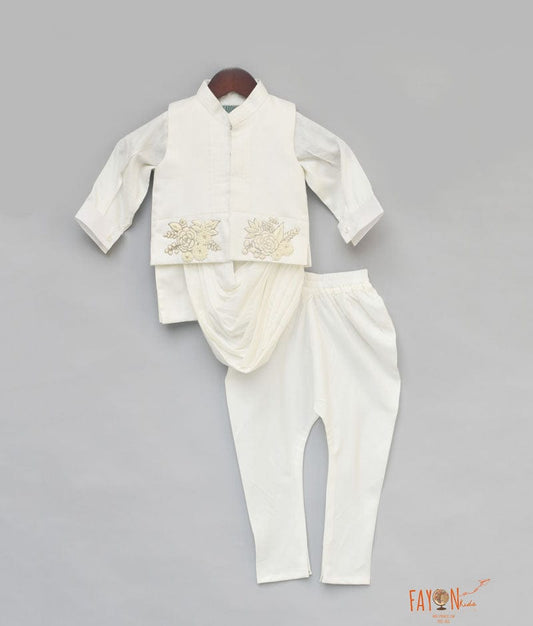








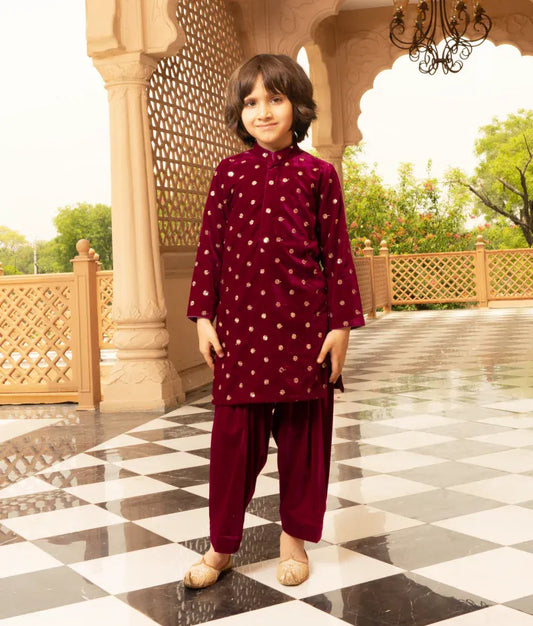

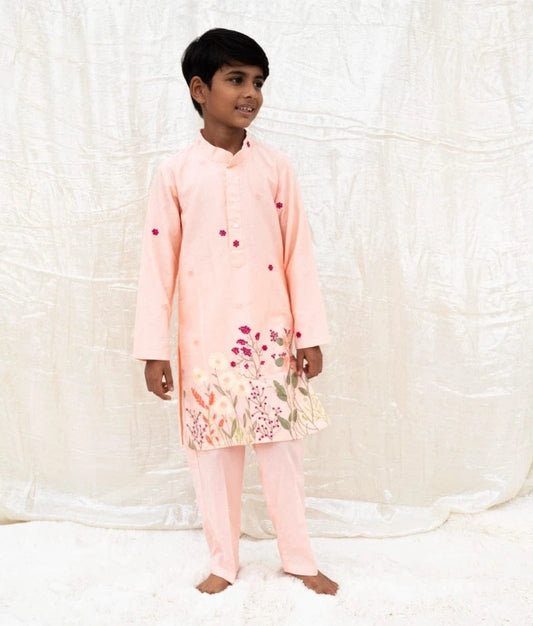

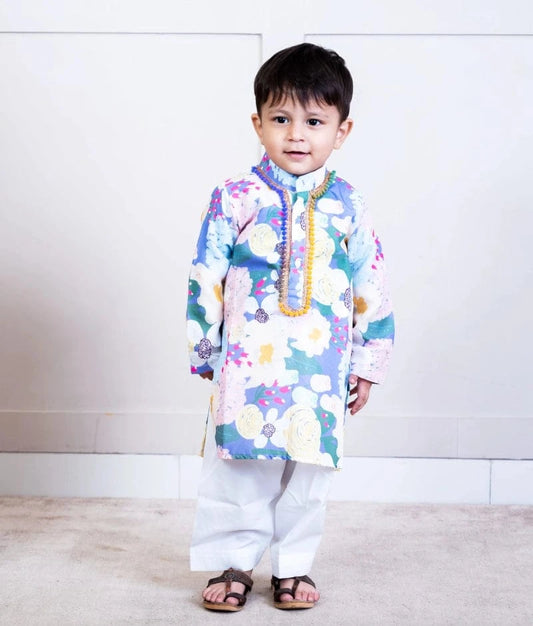

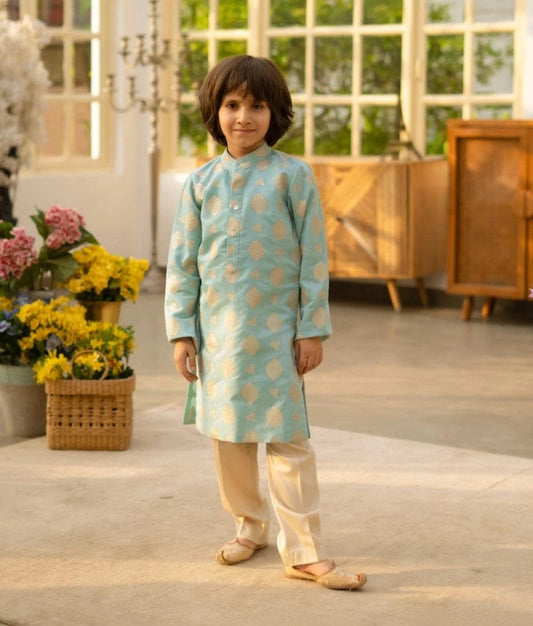


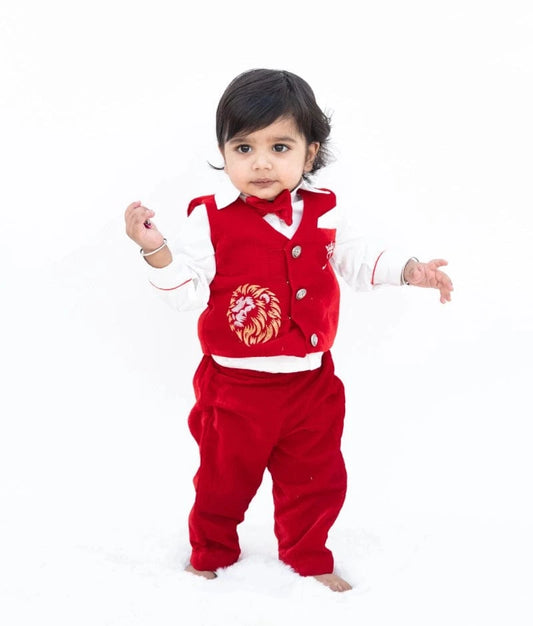


Mundan Ceremony Dress for Baby Boy: What to Wear for This Sacred First Haircut
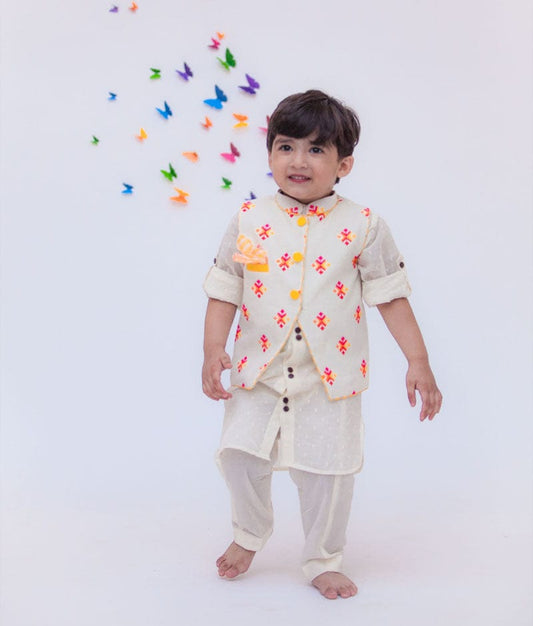
The mundan ceremony dress for a baby boy is chosen as one of the most photographed rituals in a Hindu child's early life. The mundan, also known as the chudakarana or first haircut ceremony, is observed when a boy is between seven months and three years old, depending on family tradition, and it marks the removal of the hair the child was born with as a symbol of purification and new beginnings. The photographs taken during and after the mundan are treasured family records. The outfit the boy wears in those images needs to be soft enough for a young child, easy enough to manage during an active ritual, and ceremonially appropriate for an occasion that carries genuine religious and cultural significance. At Fayon Kids, we design custom-made boys' occasion wear that handles all three requirements.
What Is the Mundan Ceremony and When Is It Observed?
The mundan is one of the sixteen samskaras in Hindu tradition and is observed across North India, South India, and among Hindu communities globally. The timing varies by family tradition and astrology, but it most commonly falls between the first and third year of a child's life. Some families observe it at seven months as part of the same occasion as the annaprashan. Others wait until the child is one, two, or three years old.
The ceremony itself involves a priest performing a puja, after which the child's head is shaved, usually by a barber who has been invited to the ceremony. In some traditions, a small tuft of hair called the shikha is left at the crown of the head. The ceremony is typically followed by a family meal and is photographed throughout.
In South Indian traditions, a similar ceremony called the Chaulamurthy or Kazhanu involves the same ritual but may follow slightly different customs. In Tamil families, the first haircut ceremony is called the Ayush Homam in some communities and involves a full puja alongside the haircut.
Looking for a custom-made mundan ceremony outfit for your little one? Browse Fayon Kids' range of boys' ethnic occasion wear.
What Are the Best Outfit Styles for a Baby Boy's Mundan Ceremony?
Dhoti Kurta: The Most Traditional Choice
The dhoti kurta set is the most widely observed ceremonial choice for boys at the mundan across most North Indian, Bengali, and Odia communities. The dhoti represents purity and a spiritual occasion. The kurta, typically in silk or chanderi, carries the visual richness appropriate to a family gathering.
For very young babies between seven months and one year, the dhoti is kept loose and short, and the kurta is made with an easy neck opening and soft lining. For toddlers between one and three years, the dhoti can be styled more formally, and the kurta can carry more embellishment.
Kurta Pyjama Sets: Comfortable and Ceremony-Ready
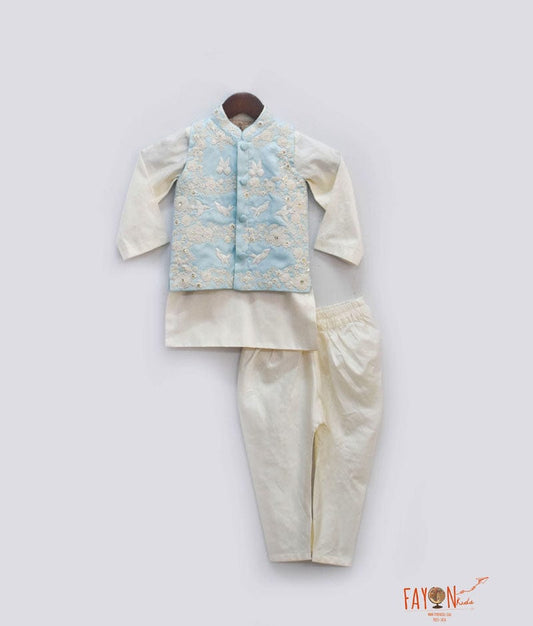
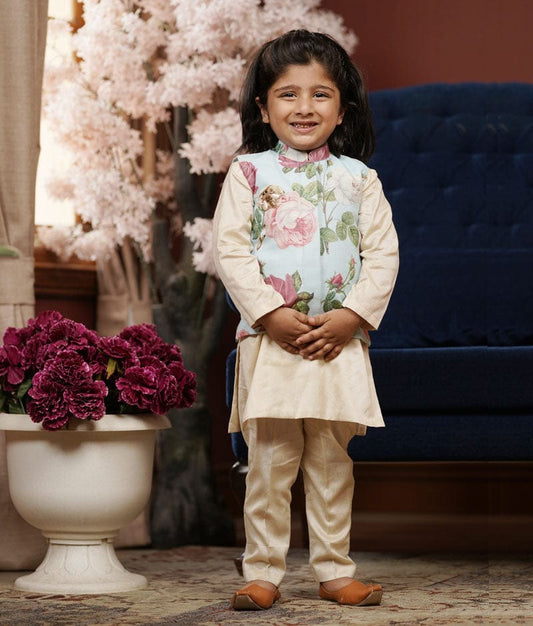
For families who find the dhoti impractical on an active toddler, a kurta pyjama set in silk, chanderi, or cotton silk is a strong alternative. It maintains the ethnic and ceremonial character of the occasion without the management challenge that a draped dhoti presents when the child is mobile.
Our boys kurta salwar collection includes a wide range of kurta sets in ceremonial fabrics and occasion-appropriate designs, many of which translate directly into suitable mundan ceremony choices.
Short Sherwani Sets for Older Boys
For boys who are two or three years old at the time of their mundan, a short sherwani set is a popular choice among families who want something with more structure and visual weight. A sherwani at this age photographs with a formality that a simple kurta cannot always match.
|
Age at Mundan |
Recommended Style |
Why It Works |
|
7 to 12 months |
Soft dhoti kurta or simple kurta set |
Lightweight, easy to manage, comfortable |
|
12 to 24 months |
Kurta pyjama with embroidery |
Practical for active toddlers, ceremonial |
|
24 to 36 months |
Short sherwani or achkan set |
More structured, photographs formally |
Find the right style for your son's age and ceremony. Explore Fayon Kids' custom-made boys' occasion wear collection.
What Colours Are Traditionally Worn at a Mundan Ceremony?
The mundan is a purification ritual, and this influences the colour choices that are considered appropriate for the ceremony.
White and Cream: The most traditionally correct colour for a mundan ceremony in many Hindu communities. White represents purity, new beginnings, and the spiritual cleansing that the ceremony signifies. A white dhoti kurta with gold embellishment is perhaps the most classically appropriate choice for the mundan.
Yellow: Considered auspicious across multiple Hindu ceremonies, yellow is a strong choice for the mundan in many communities. It carries the same associations of new beginnings and divine blessing that make it popular for other early childhood rituals.
Ivory and Gold: A close relative of the white and cream tradition, ivory with gold zari or embroidery work gives a ceremonially appropriate look with slightly more visual richness than plain white.
Saffron and Orange: In some traditions, saffron carries specific religious significance and is chosen for the mundan to reflect the spiritual nature of the occasion.
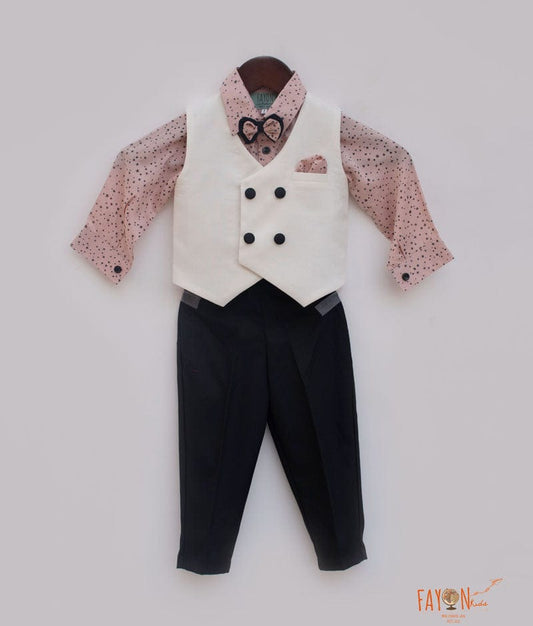
What to Generally Avoid: Deep, saturated colours like burgundy, navy, and black, while perfectly appropriate for weddings and receptions, tend to sit outside the traditional colour range for the mundan ceremony in most communities.
Unsure which colour best suits your family's tradition? Get in touch with Fayon Kids, and we will help you choose.
How Do You Manage an Active Toddler's Comfort in a Ceremony Outfit?
One of the most common challenges parents face with the mundan ceremony outfit is that boys between one and three years old are physically active and have strong opinions about what they will and will not tolerate wearing. An outfit that restricts movement, has uncomfortable embellishments, or is difficult to put on and take off is going to create problems during the ceremony itself.
Several design features make a mundan ceremony outfit more manageable for an active toddler.
Drawstring waistbands allow adjustment for fit and make the trousers or pyjama easy to remove quickly when needed.
Kurta length below the knee but above the ankle is the most practical length for a walking toddler because it avoids the tripping hazard of a full-length kurta while still reading as traditional and formal in photographs.
Soft cotton lining inside, embellished outer fabric ensures that the embroidery or zari work on the outer layer of the kurta does not press against the child's skin or arms.
A minimal collar structure is important for young boys who typically resist anything that sits closely around the neck. A mandarin collar in soft fabric is more tolerable than a heavily structured or stiff collar band.
Lightweight embellishment placed on the chest and border rather than the sleeves keeps the arms free and comfortable for a child who is likely to be carried during parts of the ceremony.
For families who want more formal structural options for older boys at the mundan, our boys achkan collection offers ceremonially appropriate styles with design features that can be adapted for comfort at different ages.
Want an outfit your toddler will actually be comfortable in? Reach out to Fayon Kids for a custom-made mundan set designed around your child's needs.
What Accessories Complete a Baby Boy's Mundan Outfit?
Accessories for a mundan ceremony should be traditional, minimal, and age-safe.
Gold jewellery: A thin gold bangle, small studs or gold earrings if the baby's ears are pierced, and a thin gold chain are the most common jewellery choices for a young boy at his mundan ceremony. All jewellery must be smooth, properly sized, and free of any sharp edges or clasps that could catch on clothing or cause discomfort.
Mojris or ethnic footwear: Soft mojris in a matching or complementary colour are the traditional footwear choice for a young boy at an ethnic ceremony. For very young babies who are not yet walking, embroidered booties in the same fabric as the kurta are a charming alternative.
Pagdi or ceremonial headwear: In some North Indian and Rajasthani traditions, a small pagdi or ceremonial turban is placed on the boy's head for the photographs taken before the haircut begins. This adds visual richness to the images and is a traditional element of the ceremony in many communities.
Dress your little one from head to toe for his mundan. Explore the full Fayon Kids boys occasion wear range and place your custom order today.
Frequently Asked Questions
Q1: What is the significance of the mundan ceremony in Hindu tradition?
The mundan is a purification ritual that marks the removal of the child's birth hair, which is considered to carry impurities from the previous life in Hindu belief. The ceremony symbolises a fresh start for the child and is accompanied by prayers for health, longevity, and prosperity. It is typically performed at a temple, at home, or at a sacred river site.
Q2: Can girls have a mundan ceremony, and what would they wear?
While the mundan is most commonly observed for boys in Hindu tradition, some communities do observe a first haircut ceremony for girls as well, though the hair is not typically fully shaved. For girls who observe a version of this ceremony, a soft lehenga or anarkali frock in white, yellow, or cream is the most appropriate outfit direction.
Q3: Does the mundan outfit need to be white?
White is the most traditionally observed colour for mundan ceremonies in many communities, but it is not a universal requirement. Yellow, cream, ivory, and saffron are all considered appropriate. The colour convention varies by regional community and family tradition, so checking with elders in the family about the specific custom being followed is always the most reliable guide.
Q4: How should I care for a mundan ceremony outfit after the event?
Silk and embroidered fabrics used in ceremonial boys' wear should be dry-cleaned after the event and stored in a breathable muslin bag away from direct sunlight. If the outfit is to be kept as a keepsake or passed to a younger sibling, proper storage from the day of the ceremony will maintain its condition significantly better than folding it into a regular drawer.
Q5: How much lead time is needed for a custom mundan ceremony outfit?
We recommend a minimum of four to five weeks for a custom-made mundan ceremony outfit. This allows time for design discussion, tailoring to the child's measurements, and delivery. For international orders, six to eight weeks is advisable.