



-
Regular price Rs.2,940Sale price Rs.2,940 Regular priceUnit price per
Ships in 5-6 days.
Get it by Tue, Oct 06 – Wed, Oct 07
-
Regular price Rs.3,960Sale price Rs.3,960 Regular priceUnit price per
Ships in 5-6 days.
Get it by Tue, Oct 06 – Wed, Oct 07
-
Regular price Rs.4,950Sale price Rs.4,950 Regular priceUnit price per
Ships in 5-6 days.
Get it by Tue, Oct 06 – Wed, Oct 07
-
Regular price Rs.5,150Sale price Rs.5,150 Regular priceUnit price per
Ships in 5-6 days.
Get it by Tue, Oct 06 – Wed, Oct 07
-
Regular price Rs.3,170Sale price Rs.3,170 Regular priceUnit price per
Ships in 5-6 days.
Get it by Tue, Oct 06 – Wed, Oct 07
-
Regular price Rs.1,782Sale price Rs.1,782 Regular priceUnit price per
Rs.2,970Ships in 2-3 days.
Get it by Sun, Oct 04 – Tue, Oct 06
Sale -
Regular price Rs.2,880Sale price Rs.2,880 Regular priceUnit price per
Rs.4,800Ships in 5-6 days.
Get it by Tue, Oct 06 – Wed, Oct 07
Sale -
Regular price Rs.1,902Sale price Rs.1,902 Regular priceUnit price per
Rs.3,170Ships in 5-6 days.
Get it by Tue, Oct 06 – Wed, Oct 07
Sale -
Regular price Rs.6,760Sale price Rs.6,760 Regular priceUnit price per
Ships in 2-3 days.
Get it by Sun, Oct 04 – Tue, Oct 06
-
Regular price Rs.3,863Sale price Rs.3,863 Regular priceUnit price per
Ships in 5-6 days.
Get it by Tue, Oct 06 – Wed, Oct 07
-
Regular price Rs.4,829Sale price Rs.4,829 Regular priceUnit price per
Ships in 5-6 days.
Get it by Tue, Oct 06 – Wed, Oct 07
-
Regular price Rs.7,404Sale price Rs.7,404 Regular priceUnit price per
Ships in 2-3 days.
Get it by Sun, Oct 04 – Tue, Oct 06
-
Regular price Rs.6,867Sale price Rs.6,867 Regular priceUnit price per
Ships in 5-6 days.
Get it by Tue, Oct 06 – Wed, Oct 07
-
Regular price Rs.12,522Sale price Rs.12,522 Regular priceUnit price per
Ships in 5-6 days.
Get it by Tue, Oct 06 – Wed, Oct 07
-
Regular price Rs.18,802Sale price Rs.18,802 Regular priceUnit price per
Ships in 5-6 days.
Get it by Tue, Oct 06 – Wed, Oct 07
-
Regular price Rs.25,752Sale price Rs.25,752 Regular priceUnit price per
Ships in 5-6 days.
Get it by Tue, Oct 06 – Wed, Oct 07
-
Regular price Rs.6,760Sale price Rs.6,760 Regular priceUnit price per
Ships in 5-6 days.
Get it by Tue, Oct 06 – Wed, Oct 07
-
Regular price Rs.16,524Sale price Rs.16,524 Regular priceUnit price per
Ships in 5-6 days.
Get it by Tue, Oct 06 – Wed, Oct 07
-
Regular price Rs.15,848Sale price Rs.15,848 Regular priceUnit price per
Ships in 5-6 days.
Get it by Tue, Oct 06 – Wed, Oct 07
-
Regular price Rs.1,620Sale price Rs.1,620 Regular priceUnit price per
Rs.1,800Ships in 5-6 days.
Get it by Tue, Oct 06 – Wed, Oct 07
Sale -
Regular price Rs.1,687Sale price Rs.1,687 Regular priceUnit price per
Rs.2,100Ships in 5-6 days.
Get it by Tue, Oct 06 – Wed, Oct 07
Sale -
Regular price Rs.24,110Sale price Rs.24,110 Regular priceUnit price per
Rs.24,110Ships in 5-6 days.
Get it by Tue, Oct 06 – Wed, Oct 07
-
Regular price Rs.7,050Sale price Rs.7,050 Regular priceUnit price per
Ships in 5-6 days.
Get it by Tue, Oct 06 – Wed, Oct 07
-
Regular price Rs.3,332Sale price Rs.3,332 Regular priceUnit price per
Ships in 5-6 days.
Get it by Tue, Oct 06 – Wed, Oct 07





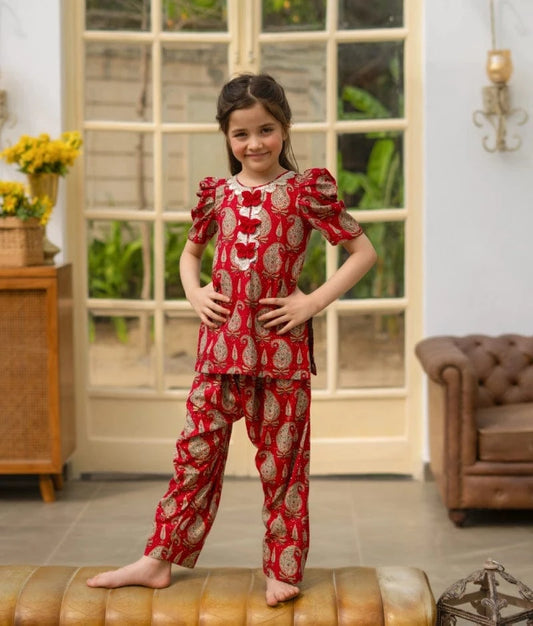

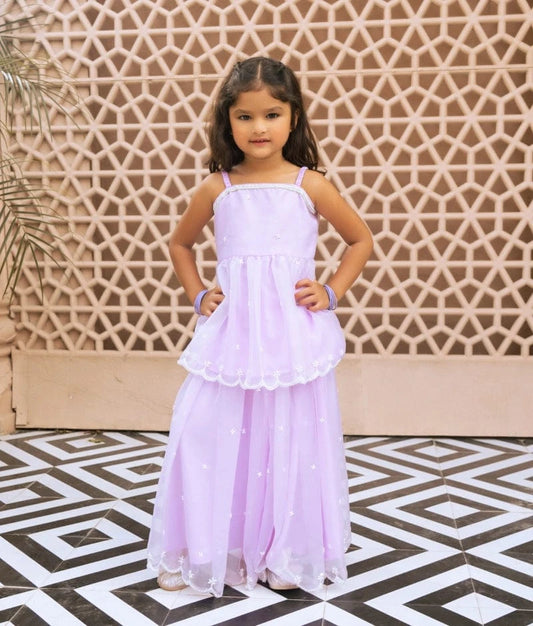

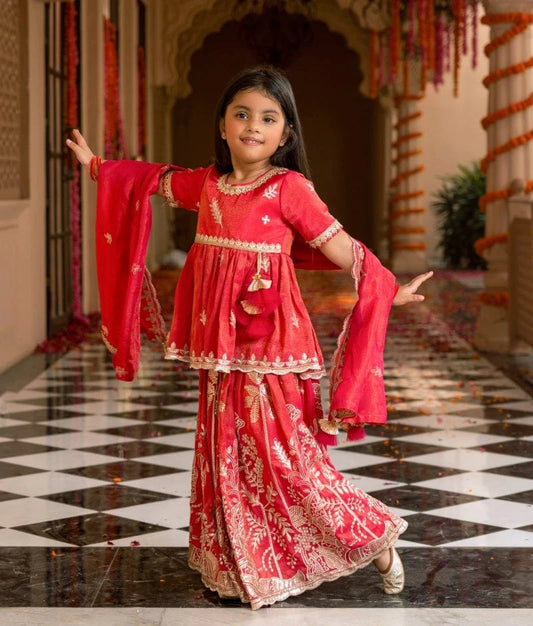

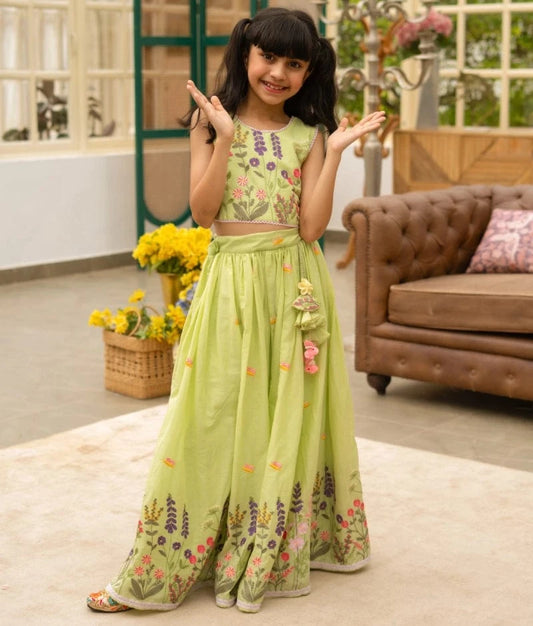

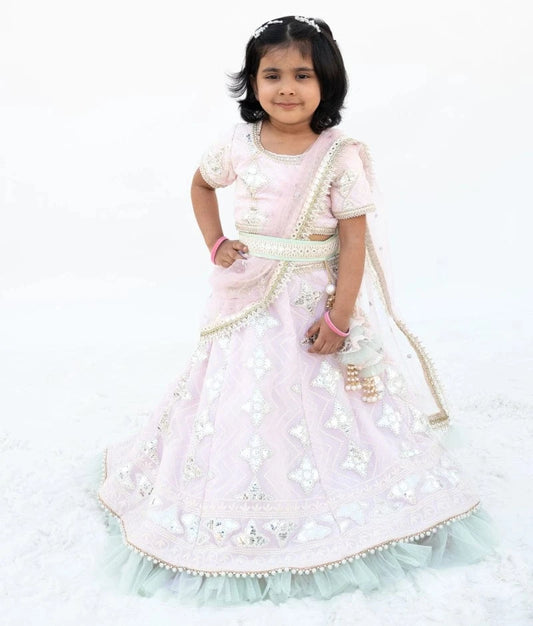

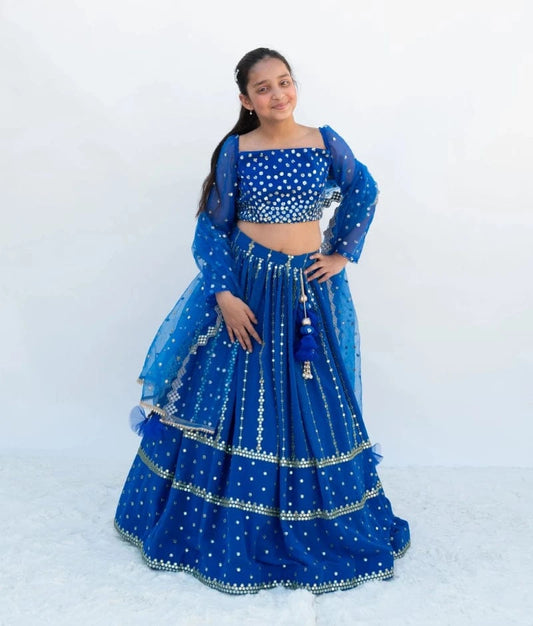

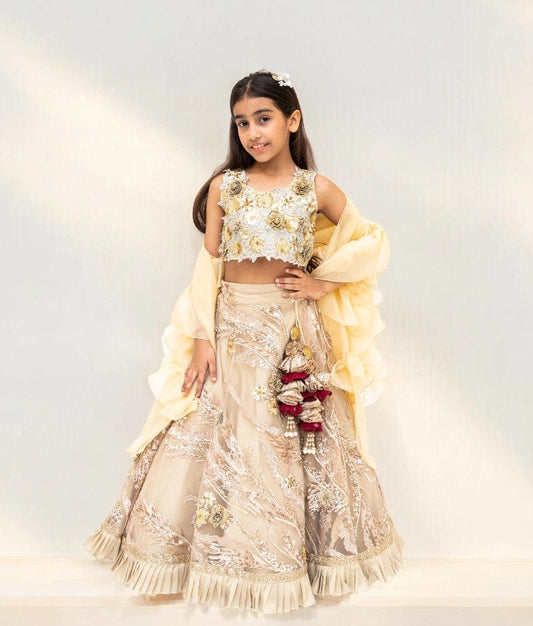


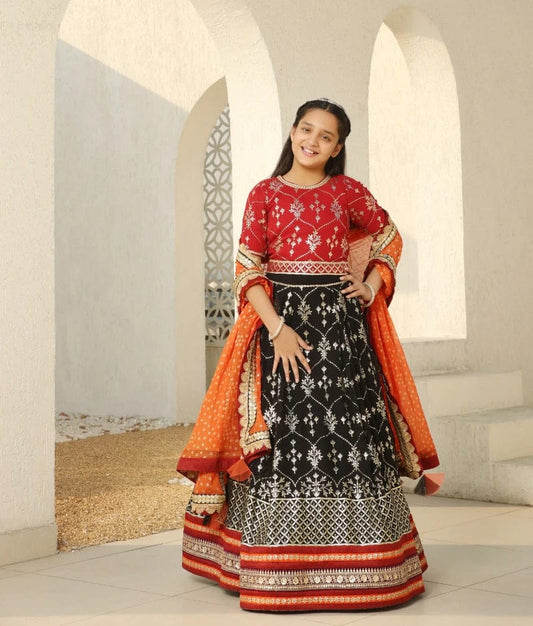


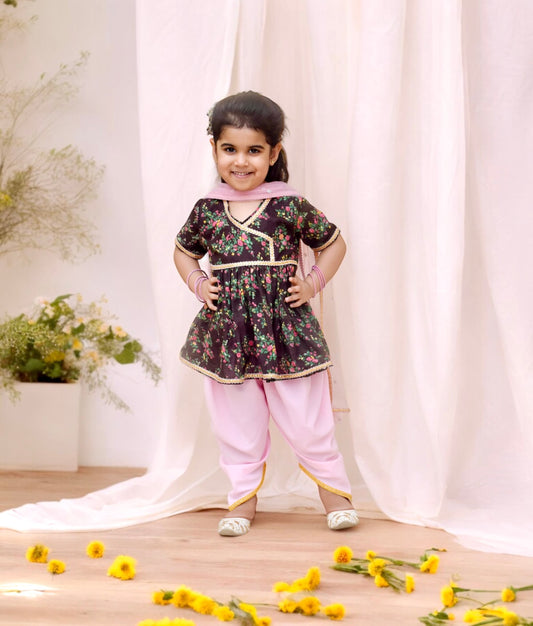

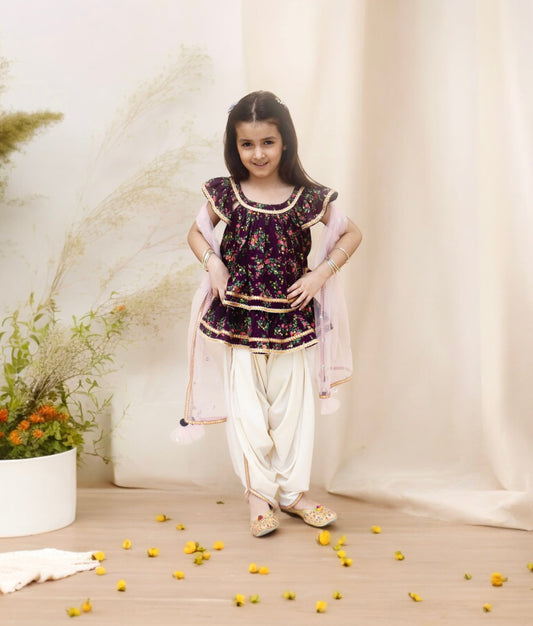

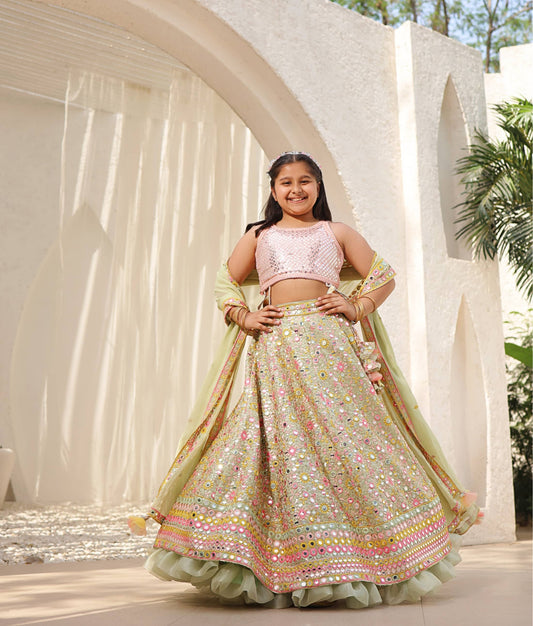


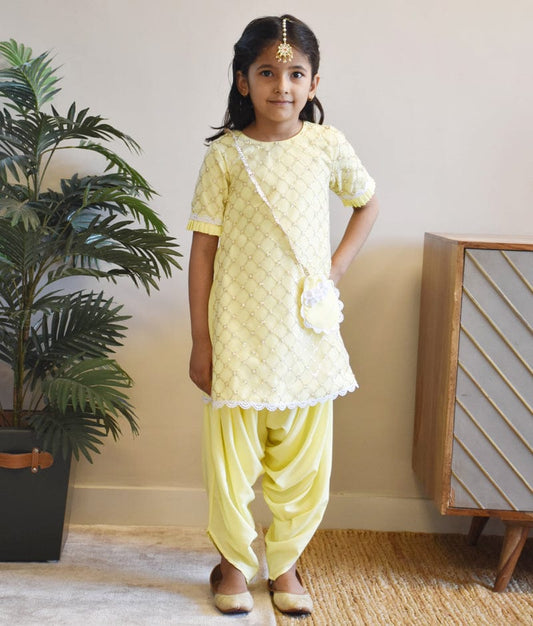

Siblings Dress for Wedding: Coordinated Outfits for Kids
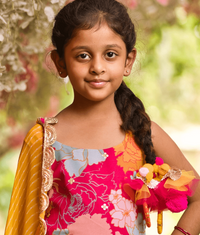
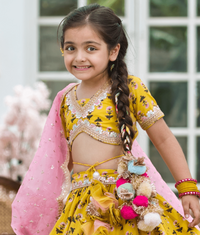
When you are looking for a sibling's dress for a wedding, the best approach is to choose outfits that are coordinated rather than identical. This means your children wear pieces that share a colour family, a similar embellishment style, or a complementary fabric, without needing to look like carbon copies of each other. A lehenga in dusty rose paired with a sherwani in ivory and gold is a classic example. This kind of pairing looks thoughtful in person and even better in photographs. At Fayon Kids, we design custom-made occasion wear for children, so sibling sets can be tailored to each child's exact measurements and personality, whether you have a toddler and a tween, two sisters, or a brother-sister pair heading to a big fat Indian wedding.
Why Do Coordinated Sibling Outfits Work Better Than Matching Ones?
Most parents start their search thinking they want matching outfits. Identical outfits can look cute in theory, but they rarely work well in practice. Here is why coordinated dressing almost always wins.
First, children at different ages have different body proportions, style preferences, and comfort needs. A five-year-old girl and a twelve-year-old boy simply cannot wear the same silhouette. Coordination solves this because each child gets a design that is right for their size and age, while still looking connected through colour and detail.
Second, coordinated outfits tend to photograph more naturally. Wedding photography captures movement, emotion, and candid moments. When siblings are dressed to complement each other rather than mirror each other, the photographs feel warmer and more genuine.
Think of it this way: coordinated sibling outfits are the visual equivalent of harmony in a song. Each instrument plays something different, but together they sound complete.
|
Approach |
What It Means |
Best For |
|
Matching |
Identical colour, fabric, and design |
Very young siblings close in age |
|
Coordinated |
Same colour family, complementary design |
Siblings with an age or size gap |
|
Themed |
Shared embellishment or motif |
Multi-function wedding events |
Takeaway: Coordinated sibling dressing is more versatile, more age-appropriate, and more flattering across different body types than identical matching outfits.
What Are the Most Popular Sibling Dress Styles for Indian Weddings?
Indian weddings are not a single event. Most families celebrate across multiple functions, and the outfit choices shift depending on the occasion. Here is a breakdown of which sibling styles work best for each.
Brother and Sister Outfit Sets in Ethnic Coordinates
The classic pairing for an Indian wedding ceremony is a lehenga for the girl and a sherwani for the boy in a shared colour story. For example, a girl in a sage green embroidered lehenga paired with a boy in a sage and ivory sherwani creates a cohesive look without being rigid. This pairing works beautifully for the main wedding ceremony and reception.
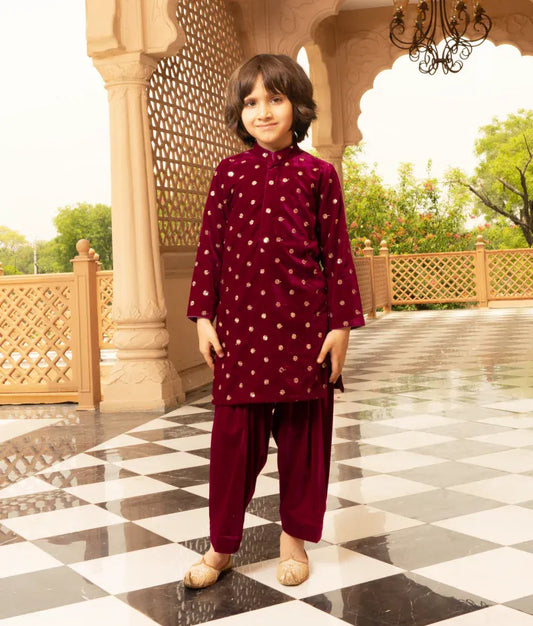
For boys, our kids' ethnic wear collection includes sherwanis, kurtas, and dhoti sets in a range of fabrics and colours suited to different wedding settings.
Gown and Bandhgala Combos for Contemporary Weddings
Destination weddings and indoor receptions often call for something a little more modern. A floor-length gown for the sister paired with a slim bandhgala suit for the brother is a popular choice among parents who want an Indian aesthetic with a contemporary edge. These looks work especially well when the venue has a more formal or international feel.
Lehenga and Sherwani Duo Looks
This remains the most requested sibling combination at Fayon Kids. The richness of a heavily embroidered lehenga alongside a well-tailored sherwani is hard to beat for a traditional wedding ceremony. When the embroidery motifs or border details echo each other across both outfits, the result is a set that looks designed rather than coincidental.
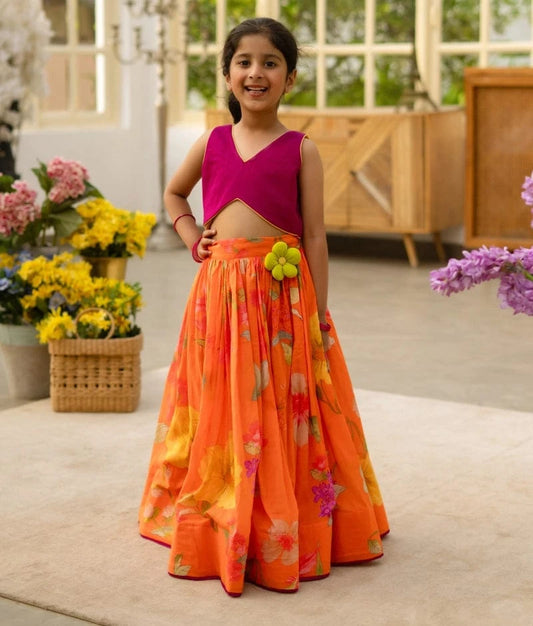
You can browse our kids' wedding dresses collection to see the range of styles available for girls across different age groups.
Indo-Western Sibling Sets for Sangeet and Mehendi
Sangeet and Mehendi functions are more relaxed and colourful. These events give you room to experiment. Printed sharara sets, organza skirts with embroidered blouses, and flowy kurta-palazzo sets for girls work well here. For boys, printed kurtas paired with tailored trousers or dhoti pants fit the festive but casual tone. The colour palette for these events can be brighter and more playful than what you would choose for the wedding day itself.
Takeaway: Choosing the right sibling outfit style depends as much on the specific wedding function as it does on your children's ages and preferences.
How to Choose the Right Sibling's Dress for a Wedding
Choosing the right sibling wedding outfits involves a few practical decisions that go beyond colour. Here is a simple framework to help you think it through.
Match by Colour Palette, Not Identical Pieces
Start with a two or three-colour palette. For example, if the wedding's colour theme is burgundy and gold, you might dress the girl in a deep burgundy lehenga with gold embroidery and the boy in a gold sherwani with a burgundy dupatta or trim. The palette ties the looks together while allowing each child to wear something suited to their silhouette.
|
Color Palette |
Girl's Outfit Suggestion |
Boy's Outfit Suggestion |
|
Burgundy and Gold |
Embroidered lehenga in burgundy |
Gold sherwani with burgundy detailing |
|
Blush and Emerald |
Flowy gown in blush pink |
Emerald bandhgala with ivory trousers |
|
Ivory and Navy |
Embellished anarkali in ivory |
Navy sherwani with silver buttons |
|
Powder Blue and Cream |
Organza lehenga in powder blue |
Cream kurta set with blue border |
Consider Age Group and Comfort Alongside Style
A three-year-old at a wedding needs to be able to run, sit on the floor, and be picked up without the outfit restricting movement. A twelve-year-old tween, on the other hand, may have strong opinions about how they want to look and may prefer something more fashion-forward. Your sibling's outfit choices should reflect these different needs.
For older boys who want something sharp and structured, our coat pant for kids collection offers a refined option that pairs beautifully with ethnic separates for a layered wedding look.
Fabric Choices That Work for Long Wedding Days
Indian weddings can last many hours. Fabrics like chanderi, georgette, and soft cotton silk tend to be more comfortable for children over long periods compared to heavy brocades or stiff materials. Lighter fabrics also drape better on younger children who may not have the frame to carry heavily structured garments.
A general guide:
- Georgette and chiffon: Lightweight, flowy, good for warm venues and outdoor functions
- Raw silk and dupion: More structured, ideal for formal ceremonies, cooler environments
- Chanderi and cotton silk: A middle ground, suitable for long events with mixed indoor and outdoor settings
- Velvet: Best reserved for winter weddings and short durations, given the warmth it retains
Takeaway: Getting the fabric right is just as important as getting the colour right, because comfort directly affects how your child feels and moves through the day.
Why Does Custom-Made Work Better for Sibling Wedding Outfits?
Off-the-rack sizing presents a real challenge when you are dressing siblings for a wedding. Standard sizes are built around average body proportions for a given age, but children rarely fit average proportions precisely. A five-year-old who is tall for her age may need the length of a size seven but the waist of a size five. A boy who is lean may find that standard sherwanis pull at the shoulders or bunch at the waist.
Custom-made, made-to-measure outfits solve this problem because each garment is built from your child's actual measurements. There is no guesswork about which size to order. There is no returning an outfit three days before a wedding because the fit is off.
Getting the Fit Right for Every Child's Size
When you order sibling sets from Fayon Kids, both outfits are made to individual measurements. This means a four-year-old and a nine-year-old can wear coordinated designs that are each proportionate to their frame. The four-year-old's lehenga will be appropriately lightweight and easy to move in. The nine-year-old's design can carry more detail and structure. The sibling connection comes through the colour and design language, not through forcing both children into the same template.
Personalising Design Details for a Cohesive Look
One of the strengths of the custom-made approach is the ability to echo specific design details across both outfits. For example, the same embroidery motif can appear on the border of a girl's lehenga and on the collar or cuffs of a boy's sherwani. The same fabric can be used as an accent in both outfits. These small design connections make the sibling set look intentional and designed rather than simply colour-coordinated.
For boys attending weddings where the dress code skews more formal, our kids' party wear dress for boys collection includes options that can be styled alongside ethnic wear for a layered sibling look.
Takeaway: Custom-made sibling outfits remove the sizing uncertainty that makes buying wedding clothes for children stressful, and they allow for design connections that off-the-rack options simply cannot replicate.
How Should You Style Siblings for Different Wedding Functions?
Accessorising Without Overdoing It
Children's accessories at weddings should be simple and secure. Heavy jewellery can be uncomfortable and get in the way of how children naturally move and play. A few well-chosen pieces work much better than layering everything at once.
For girls, a single statement piece such as a maang tikka, a pair of jhumkas, or a delicate necklace is usually enough. For boys, a classic brooch on the sherwani, a pocket square, or a simple bracelet adds polish without looking overdressed.
Shoes deserve specific attention. Children will be on their feet for long periods at weddings. Ballet flats, block heels no taller than an inch for older girls, and mojris or loafers for boys are comfortable options that look occasion-appropriate.
Colours That Work Across Mehendi, Sangeet, and the Wedding Ceremony
You do not have to buy entirely separate outfits for every function. In many cases, a well-chosen set of two outfits can cover multiple events with small accessory changes.
A general rule is to keep Mehendi and Sangeet outfits lighter and brighter and reserve more formal or heavily embroidered pieces for the wedding ceremony and reception. Yellow, orange, green, and bright pink work well for Mehendi functions. Deeper tones like burgundy, navy, teal, and rich gold work better for the main ceremony.
|
Wedding Function |
Suggested Palette |
Formality Level |
|
Mehendi |
Yellow, mint, orange, coral |
Relaxed and festive |
|
Sangeet |
Bright pink, royal blue, lime green |
Semi-formal, celebratory |
|
Wedding Ceremony |
Burgundy, ivory, navy, deep green |
Formal |
|
Reception |
Blush, gold, champagne, emerald |
Formal to semi-formal |
Takeaway: Thinking across all the wedding functions before you start shopping helps you make smarter outfit choices and avoids last-minute panic purchases.
How Do You Order Sibling Wedding Outfits from Fayon Kids?
The process is straightforward and is designed to take the stress out of dressing siblings for a big occasion.
Share Your Vision, We Will Handle the Rest
You begin by sharing a few key details: the wedding date, the children's measurements, the colour palette or theme you have in mind, and any reference images you like. From there, the Fayon Kids team works with you to develop a design concept that coordinates both outfits while accounting for each child's individual needs.
You do not need to arrive with a fully formed idea. Many parents come with a colour and a rough direction, and the final design takes shape through the conversation.
Plan Ahead: Timelines for Custom Orders
Custom-made occasion wear requires time. We generally recommend placing your order at least four to six weeks before the wedding date. During peak wedding seasons, particularly between October and March in India, and during NRI wedding seasons abroad, allowing more lead time is advisable. This gives adequate time for design finalisation, tailoring, and any adjustments before the outfit is shipped.
Takeaway: The earlier you start the custom ordering process, the more relaxed and considered the entire experience will be, both for you and for your children.
Frequently Asked Questions
Q1: What is the difference between matching and coordinated sibling outfits for a wedding?
Matching outfits are identical in color, fabric, and design. Coordinated outfits share a color palette or design detail but allow each child to wear something suited to their age and gender. Coordinated looks tend to photograph better and feel more intentional for formal occasions like weddings.
Q2: Can I order custom sibling outfits if my children are very different in age or size?
Yes. Made-to-measure custom outfits are particularly well-suited for siblings with a significant age or size difference. Each outfit is tailored to the individual child's measurements, so a toddler and a ten-year-old can wear coordinated designs that are proportionate and comfortable for each of them.
Q3: Which outfit combinations work best for a brother-sister pair at an Indian wedding?
The most popular combination is a lehenga for the girl paired with a sherwani for the boy in complementary colors. For more contemporary weddings, a gown and bandhgala pairing works well. For Sangeet and Mehendi functions, printed kurta sets and sharara suits are popular choices.
Q4: How far in advance should I order sibling wedding outfits from Fayon Kids?
For custom-made pieces, we recommend starting the process at least four to six weeks before the wedding date. During peak wedding and festive seasons, placing your order earlier gives more time for tailoring and any adjustments.
Q5: Does Fayon Kids ship sibling wedding outfits internationally for NRI families?
Yes. Fayon Kids ships to Indian families across the US, UK, UAE, Canada, and other international locations. If you are based abroad and need occasion wear for a wedding, you can reach out to the Fayon Kids team to discuss timelines and shipping options specific to your location.