



-
Regular price Rs.2,403Sale price Rs.2,403 Regular priceUnit price per
Ships in 5-6 days.
Get it by Sat, Oct 10 – Sun, Oct 11
-
Regular price Rs.6,441Sale price Rs.6,441 Regular priceUnit price per
Ships in 5-6 days.
Get it by Sat, Oct 10 – Sun, Oct 11
-
Regular price Rs.6,634Sale price Rs.6,634 Regular priceUnit price per
Ships in 5-6 days.
Get it by Sat, Oct 10 – Sun, Oct 11
-
Regular price Rs.6,055Sale price Rs.6,055 Regular priceUnit price per
Ships in 5-6 days.
Get it by Sat, Oct 10 – Sun, Oct 11
-
Regular price Rs.3,541Sale price Rs.3,541 Regular priceUnit price per
Ships in 5-6 days.
Get it by Sat, Oct 10 – Sun, Oct 11
-
Regular price Rs.6,441Sale price Rs.6,441 Regular priceUnit price per
Ships in 5-6 days.
Get it by Sat, Oct 10 – Sun, Oct 11
-
Regular price Rs.11,270Sale price Rs.11,270 Regular priceUnit price per
Ships in 5-6 days.
Get it by Sat, Oct 10 – Sun, Oct 11
-
Regular price Rs.3,338Sale price Rs.3,338 Regular priceUnit price per
Rs.5,564Ships in 5-6 days.
Get it by Sat, Oct 10 – Sun, Oct 11
Sale -
Regular price Rs.5,902Sale price Rs.5,902 Regular priceUnit price per
Ships in 5-6 days.
Get it by Sat, Oct 10 – Sun, Oct 11
-
Regular price Rs.3,338Sale price Rs.3,338 Regular priceUnit price per
Rs.5,564Ships in 5-6 days.
Get it by Sat, Oct 10 – Sun, Oct 11
Sale -
Regular price Rs.3,541Sale price Rs.3,541 Regular priceUnit price per
Ships in 5-6 days.
Get it by Sat, Oct 10 – Sun, Oct 11
-
Regular price Rs.10,690Sale price Rs.10,690 Regular priceUnit price per
Ships in 5-6 days.
Get it by Sat, Oct 10 – Sun, Oct 11
-
Regular price Rs.7,137Sale price Rs.7,137 Regular priceUnit price per
Ships in 5-6 days.
Get it by Sat, Oct 10 – Sun, Oct 11
-
Regular price Rs.6,441Sale price Rs.6,441 Regular priceUnit price per
Ships in 5-6 days.
Get it by Sat, Oct 10 – Sun, Oct 11
-
Regular price Rs.5,698Sale price Rs.5,698 Regular priceUnit price per
Ships in 5-6 days.
Get it by Sat, Oct 10 – Sun, Oct 11
-
Regular price Rs.9,126Sale price Rs.9,126 Regular priceUnit price per
Ships in 5-6 days.
Get it by Sat, Oct 10 – Sun, Oct 11
-
Regular price Rs.6,200Sale price Rs.6,200 Regular priceUnit price per
Ships in 5-6 days.
Get it by Sat, Oct 10 – Sun, Oct 11
-
Regular price Rs.5,632Sale price Rs.5,632 Regular priceUnit price per
Rs.9,387Ships in 5-6 days.
Get it by Sat, Oct 10 – Sun, Oct 11
Sale -
Regular price Rs.6,663Sale price Rs.6,663 Regular priceUnit price per
Ships in 5-6 days.
Get it by Sat, Oct 10 – Sun, Oct 11
-
Regular price Rs.5,746Sale price Rs.5,746 Regular priceUnit price per
Ships in 5-6 days.
Get it by Sat, Oct 10 – Sun, Oct 11
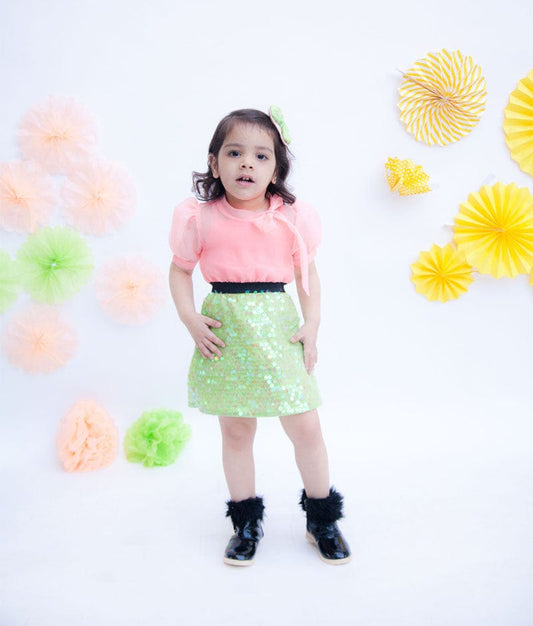


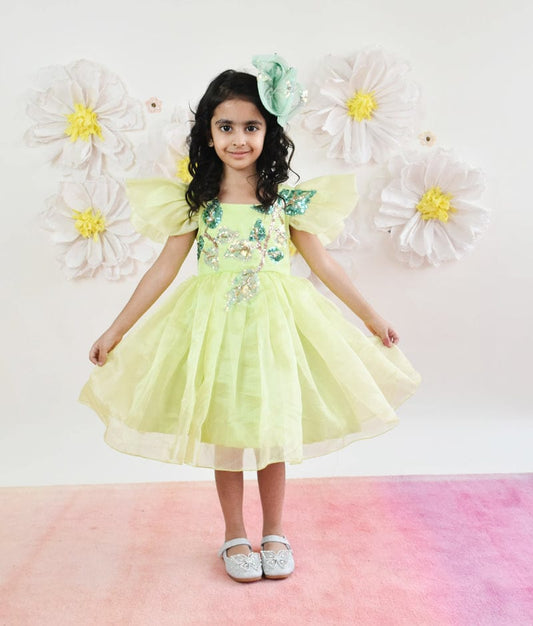

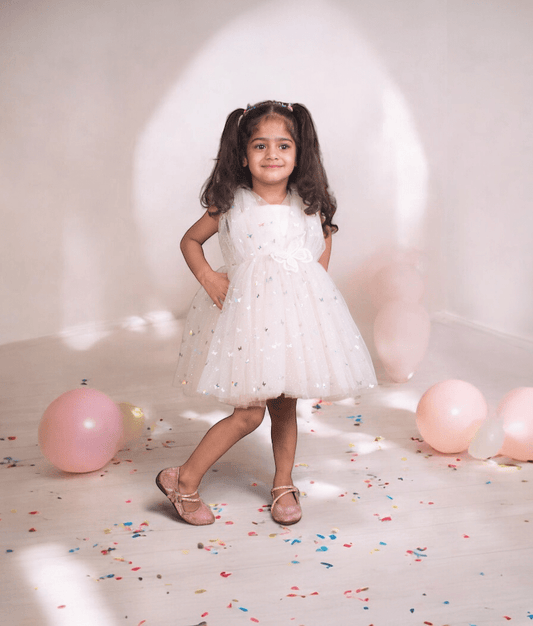


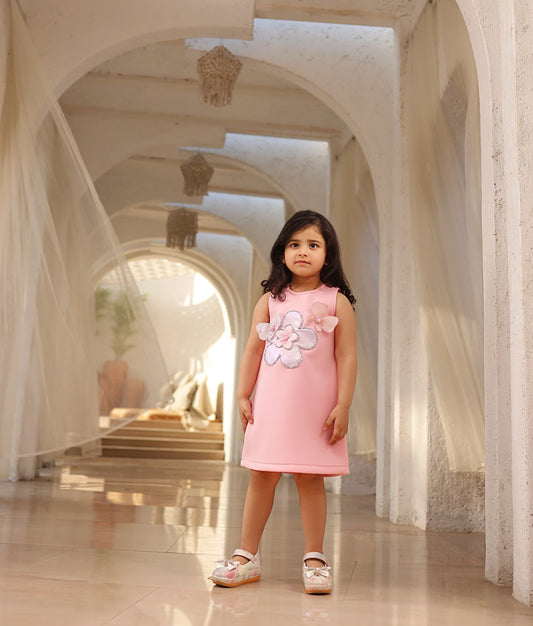

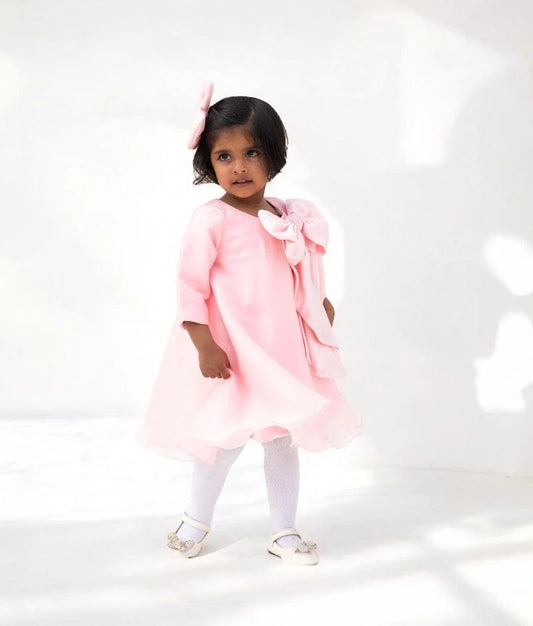

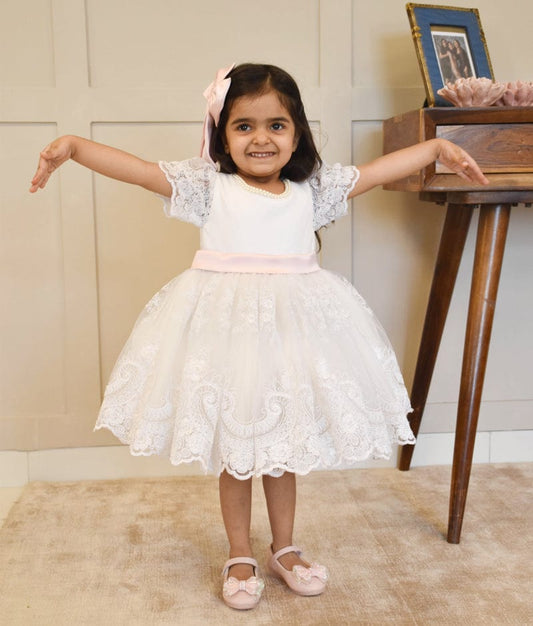

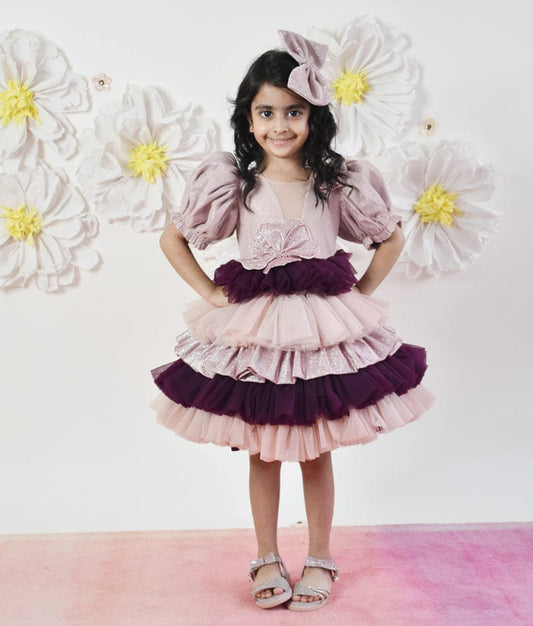

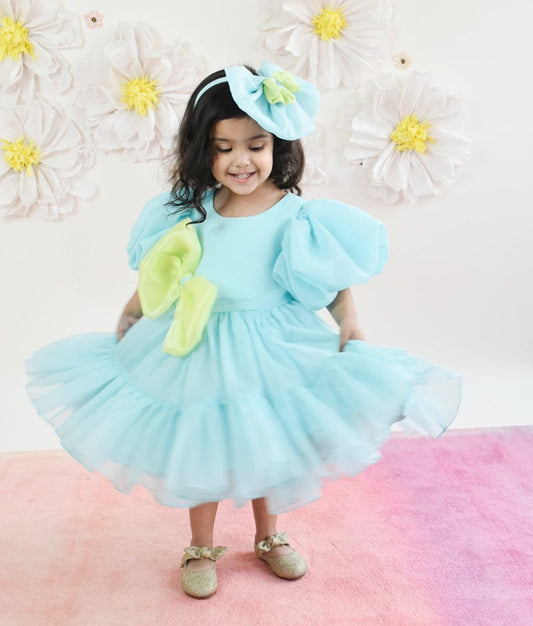

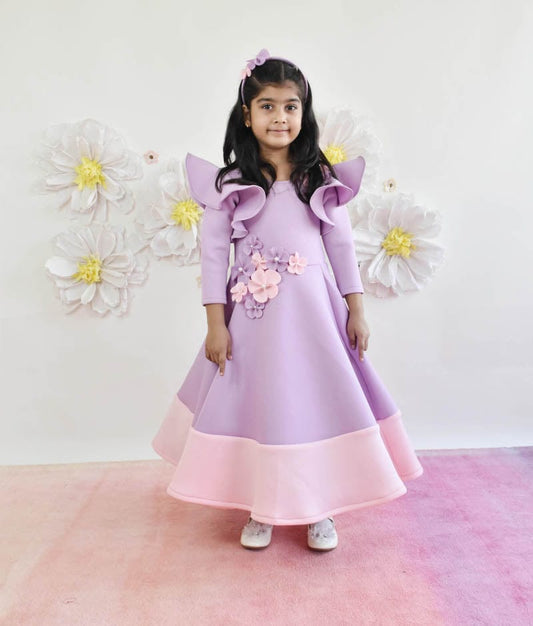


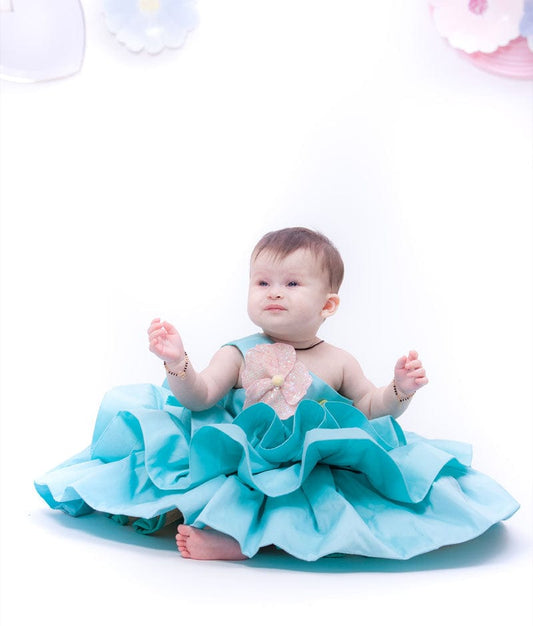

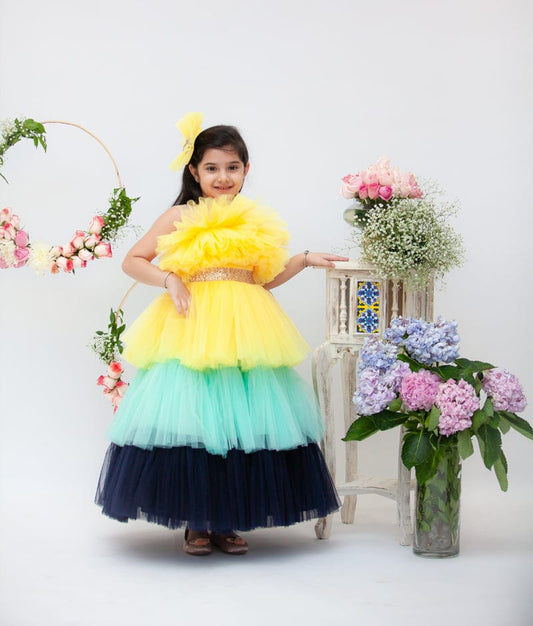

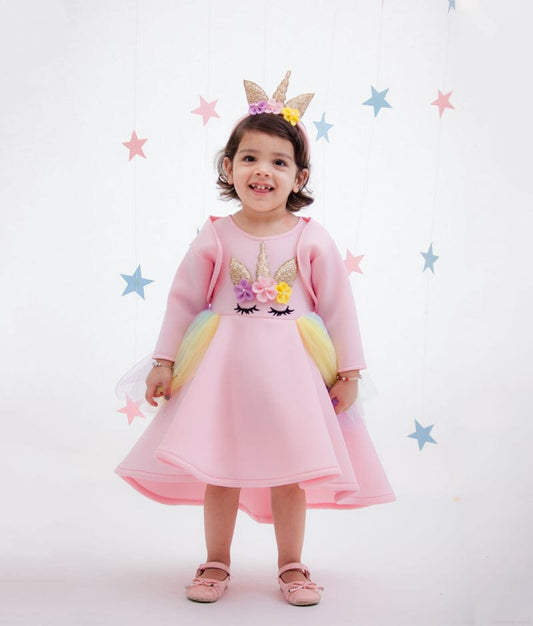

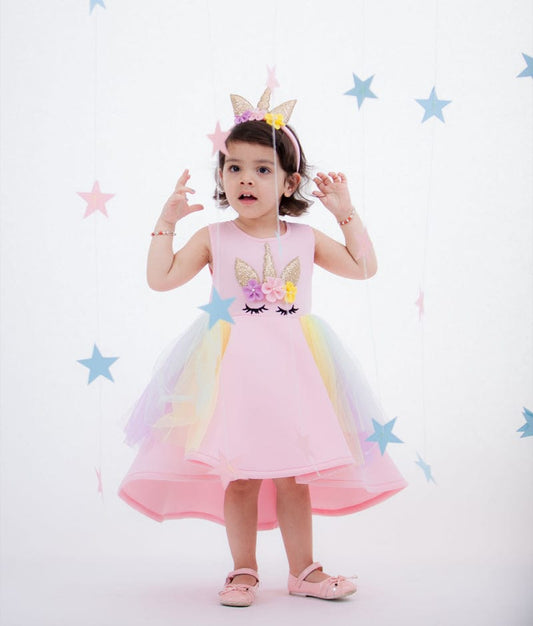

Birthday Dress for Baby Girl: What Every Parent Must Know Before Buying
Choosing a birthday dress for girls is one of those decisions that feels simple until you are standing in front of dozens of options with no clear framework. Fabric safety, silhouette fit, milestone age, and event duration all shape whether a dress works beautifully or causes a fussy, uncomfortable baby. This guide gives you a concrete evaluation system, not just style inspiration.
How Age and Milestone Shape the Right Birthday Dress Choice
First Birthday Dresses: The 0-12 Month Consideration Set
A first birthday dress for a baby girl carries the most scrutiny because the baby is not yet walking, spends time on laps and floors, and has the most sensitive skin of any age group. Dermatologists consistently recommend OEKO-TEX Standard 100 certified fabrics for infants, confirming the textile has been tested for harmful substances including formaldehyde and heavy metal dyes. Parents should prioritise back-snap or side-zip closures over head-pull styles, since neck circumference in infants is proportionally large relative to the head.
-
Look for OEKO-TEX or GOTS certification labels on infant dresses.
-
Avoid scratchy tulle directly against skin; opt for a cotton lining underneath.
-
Choose dresses with a hemline at or above the knee so the baby can sit and crawl freely.
-
Snap closures at the back are easier for diaper changes during the party.
Second and Third Birthday Dresses: Toddler-Specific Fit Rules
Toddlers aged 1 to 3 years are active and highly sensitive to waistband pressure, which is why elasticated empire waists outperform structured bodices for this age group. A "2T" label should correspond to a chest of approximately 53 cm and a height of 86-92 cm. Always cross-reference the brand's size chart against the child's actual measurements rather than relying on age labels alone.
-
Measure chest, waist, and height before ordering online.
-
Elasticated waists reduce pressure during long party events.
-
Toddler dresses with a full skirt allow unrestricted movement for dancing and play.
-
Avoid heavy beading at the waist or chest, which can cause bruising during active wear.
Fabric and Safety Standards That Actually Matter
Fabric Types Ranked by Comfort and Practicality
Organic cotton and cotton-modal blends are the top-rated choices for infant birthday dresses because they are breathable, machine washable, and hypoallergenic. Polyester organza and stiff taffeta, while visually dramatic, trap heat and can cause prickly heat rash in babies, particularly in warm indoor venues or outdoor summer parties. For more information, explore the first birthday dress for baby girl.
|
Fabric |
Breathability |
Skin Safety |
Best For |
Wash Care |
|
Organic Cotton |
High |
Excellent |
All-day wear, 0-3 years |
Machine wash, 30°C |
|
Cotton-Modal Blend |
High |
Excellent |
Toddler parties, warm venues |
Machine wash, gentle cycle |
|
Silk or Silk-Look Satin |
Medium |
Good (natural silk only) |
Short events, cool venues |
Hand wash or dry clean |
|
Polyester Organza |
Low |
Fair |
Photo sessions only |
Dry clean recommended |
|
Tulle over Cotton Lining |
Medium |
Good (with lining) |
Princess-theme parties |
Hand wash, air dry |
Embellishment Safety: What to Inspect Before Purchase
Sequins, beads, and rhinestones are the most common embellishment types on birthday dresses for baby girls and also the most common choking hazard if poorly attached. A practical field test is to grip any bead or sequin between two fingers and pull firmly; if it releases with light pressure, the dress fails a basic safety threshold regardless of price.
-
Reject any dress where sequins are glued rather than sewn.
-
Check that ribbon ties at the back are long enough to tie but not long enough to wrap around the neck.
-
Avoid dresses with small button embellishments on the bodice for babies under 18 months.
Style Categories and Occasion Matching for Baby Birthday Dresses
Popular Silhouettes and When Each Works Best
|
Silhouette |
Best Age |
Occasion Fit |
Mobility Rating |
Price Range (INR) |
|
Smash Cake Dress |
0-12 months |
Cake smash, casual party |
Excellent |
500-1,500 |
|
Tutu Dress |
1-3 years |
Themed birthday party |
Good |
800-2,500 |
|
Layered Frock |
1-4 years |
Home party, venue party |
Good |
1,000-3,500 |
|
Princess Ball Gown |
2-5 years |
Formal venue, photo session |
Limited |
2,500-8,000+ |
Theme Coordination: Matching the Dress to the Party Concept
Popular party themes include floral garden, princess, unicorn, vintage lace, and pastel rainbow, each mapping to a specific dress palette and embellishment style. A floral garden theme pairs best with ditsy-print cotton dresses in blush, sage, or ivory rather than solid-colour ball gowns. Brands like Fayonkids offer curated collections where silhouette, colour, and embellishment are already aligned to popular themes, reducing coordination effort for parents. For cooler-season celebrations, exploring winter dresses for girls within these themed collections ensures both style and seasonal comfort are addressed together.
-
Unicorn themes: iridescent or holographic fabric accents, pastel tulle layers.
-
Princess themes: structured bodice, satin skirt, crown headband accessory.
-
Vintage lace themes: ivory or blush cotton with lace overlay, ribbon sash.
-
Floral garden themes: printed cotton, smocked bodice, natural tones.
How to Buy a Birthday Dress for Baby Girl Without Regret
A Step-by-Step Evaluation Process Before You Order
Online shopping for baby birthday dresses carries a higher return rate than adult clothing because sizing, fabric feel, and embellishment quality are difficult to assess from product images alone. Premium retailers typically provide detailed size guides, fabric composition disclosures, and care instructions, the three data points every parent should verify before adding to cart. If you are also considering party wear western dresses as an alternative style, the same evaluation criteria apply.
-
Measure the baby's chest, waist, and height on the day of ordering, not from memory.
-
Read the fabric composition label; confirm at least 60% natural fibre content for infant dresses.
-
Check the return and exchange policy before purchasing, especially for sale items.
-
Order at least two weeks before the event to allow time for exchange if sizing is off.
-
Inspect the dress immediately on arrival: check seams, embellishments, and zipper function before the tags are removed.
Care and Longevity: Making the Dress Last Beyond the Party
-
Cold water only for stain treatment; never hot water on baby fabrics.
-
Air dry embellished dresses flat to prevent bead stress on threads.
-
Use acid-free tissue paper inside the dress when storing long-term.
-
Avoid wire hangers for structured ball gowns; use padded hangers to maintain shape.
Frequently Asked Questions
What fabric is safest for a birthday dress for a baby girl under 12 months?
Organic cotton certified to OEKO-TEX Standard 100 is the safest choice for infants under 12 months because it is free from harmful chemical residues and highly breathable.
How do I choose the right size birthday dress for my baby girl online?
Always measure your baby's actual chest, waist, and height on the day of ordering and cross-reference those measurements against the brand's specific size chart rather than relying on age-based labels.
Are sequins and beads safe on a birthday dress for a 1-year-old?
Sequins and beads are only safe if they are securely sewn rather than glued; perform a firm pull test on any embellishment before allowing the baby to wear the dress.
How far in advance should I order a birthday dress for a baby girl?
Order at least two weeks before the event date to allow sufficient time for delivery, sizing checks, and any necessary exchanges.
Can a birthday dress for a baby girl be kept as a keepsake after the party?
Yes, store it in an acid-free garment bag with padded support after spot-treating any stains with cold water and mild detergent immediately after the event.