



-
Regular price Rs.3,332Sale price Rs.3,332 Regular priceUnit price per
Ships in 5-6 days.
Get it by Sat, Oct 10 – Sun, Oct 11
-
Regular price Rs.4,268Sale price Rs.4,268 Regular priceUnit price per
Ships in 5-6 days.
Get it by Sat, Oct 10 – Sun, Oct 11
-
Regular price Rs.12,284Sale price Rs.12,284 Regular priceUnit price per
Ships in 5-6 days.
Get it by Sat, Oct 10 – Sun, Oct 11
-
Regular price Rs.14,698Sale price Rs.14,698 Regular priceUnit price per
Ships in 5-6 days.
Get it by Sat, Oct 10 – Sun, Oct 11


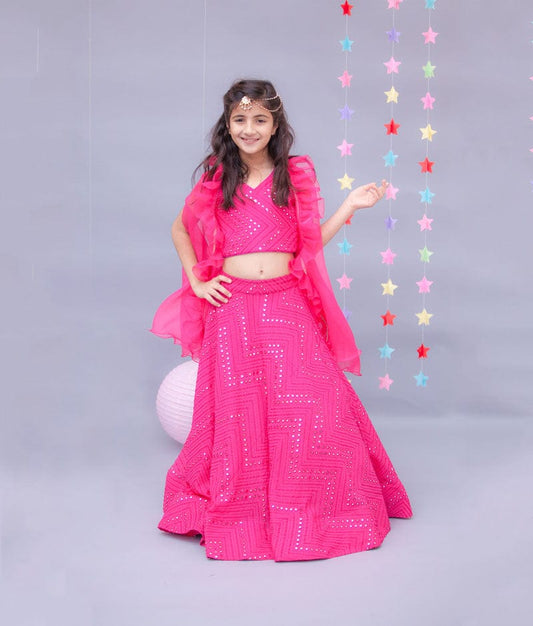

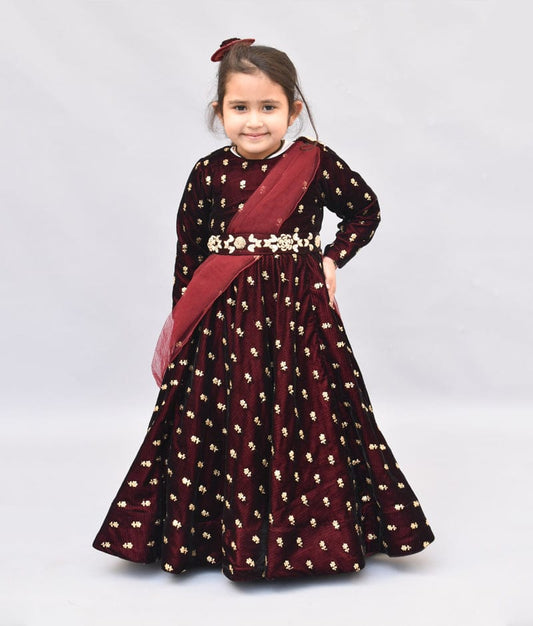

Ethnic Dress for Baby Girl: How to Read Silhouette, Fabric, and Sizing Before You Buy
Shopping for an ethnic dress for a baby girl means navigating dozens of silhouettes, fabrics, and occasion codes at once. This guide cuts through the noise with concrete evaluation criteria, so you land on an outfit that photographs beautifully, fits correctly, and keeps your baby comfortable from the first ritual to the last family photo.
Understanding Ethnic Dress Silhouettes for Baby Girls
The Core Silhouette Categories Worth Knowing
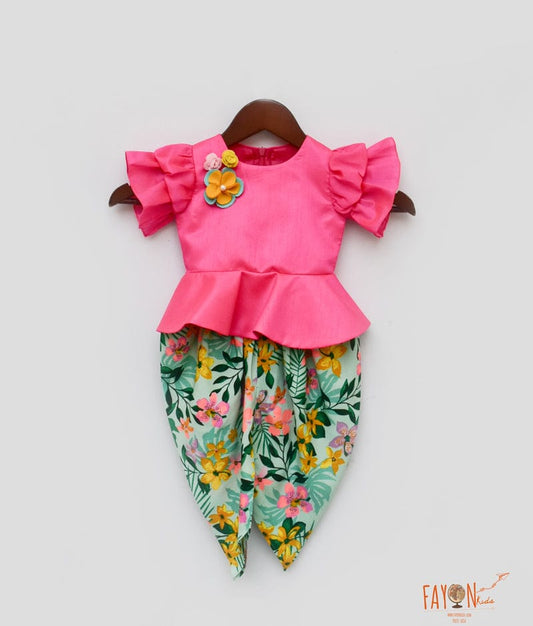
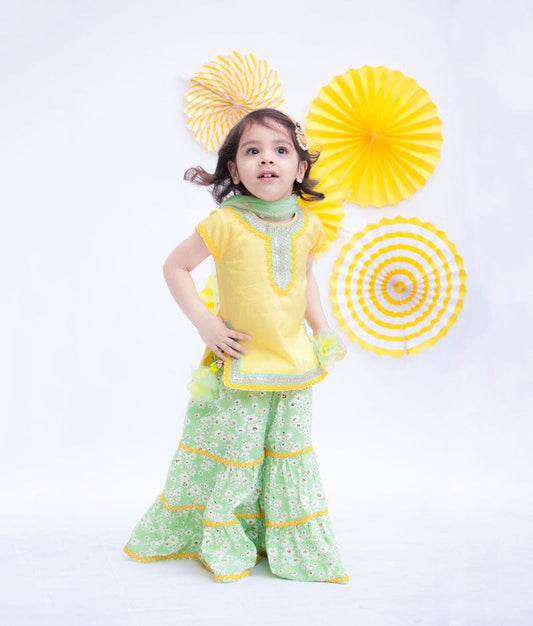
Ethnic dress for baby girls falls into four primary silhouettes: the frock-style kurta, the lehenga set, the sharara set, and the saree-style gown. Each carries a different occasion weight and comfort profile for infants under 24 months. Knowing which silhouette matches your event type is the first decision rule, not the last.
Matching Silhouette to Occasion and Age Band
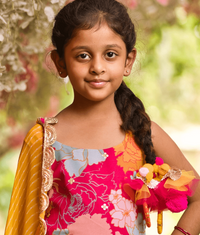
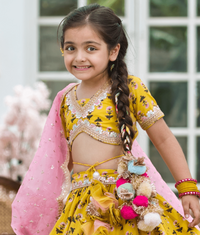
Frock-style kurtas suit everyday pujas and naming ceremonies because they allow full leg movement and easy diaper access. Lehenga sets are the dominant choice for weddings and festive photography, but they require a secure waistband and a blouse that does not restrict arm movement. Sharara sets have gained significant traction in 2025 and 2026 because the wide-leg silhouette mimics trouser comfort while reading as formal ethnic wear. When selecting a birthday dress for girls, the lehenga and sharara silhouettes are equally popular for their festive visual impact.
|
Silhouette |
Best Age Band |
Ideal Occasion |
Comfort Rating |
|
Frock-style Kurta |
0 to 18 months |
Puja, naming ceremony |
High |
|
Lehenga Set |
12 to 36 months |
Wedding, festive photography |
Medium |
|
Sharara Set |
18 to 48 months |
Festival, reception |
High |
|
Saree-style Gown |
24 to 48 months |
Formal ceremony, sangeet |
Medium |
Fabric Selection: The Criteria That Determine Wearability
Fabrics That Perform Well on Infant Skin
Cotton silk blends and pure chanderi are the two fabrics most consistently recommended for infant ethnic wear because they balance breathability with enough structure to hold embellishments. Georgette and net overlays add visual volume but should only appear as outer layers, never directly against the skin. Parents who prioritise inner lining quality over outer fabric sheen report significantly fewer rash incidents during long ceremonies.
Embellishment Weight and Its Impact on Comfort
Heavy zari borders, mirror work, and sequin panels add grams that accumulate quickly on a small frame, and anything exceeding 200 grams total garment weight becomes visibly uncomfortable for babies under 12 months within 30 minutes. A practical inspection method is to hold the garment flat and check whether embellished sections pull the fabric downward under their own weight. If they do, the embellishment density is too high for an infant. Choosing the right first birthday dress for baby girl means prioritising light hand-embroidery or printed motifs over heavy zari to keep the garment comfortable throughout the celebration.
-
Cotton silk blend: Breathable, skin-safe, holds light embroidery without distortion.
-
Chanderi: Lightweight with natural sheen, ideal for ceremonies lasting over two hours.
-
Georgette overlay: Adds volume and drape but must be lined with soft cotton.
-
Brocade: Rich texture for photography but limit to toddlers aged 18 months and above.
-
Net panels: Decorative only; always verify a full cotton lining underneath.
Sizing and Fit: The Evaluation Steps Parents Skip
Why Standard Age Labels Are Unreliable for Ethnic Wear
Indian ethnic wear for baby girls is sized inconsistently across brands, with a "12 months" label ranging from a 46 cm to a 52 cm chest measurement depending on the manufacturer. The only reliable sizing method is to measure your baby's chest circumference, waist, and length from shoulder to ankle, then cross-reference against the brand's actual size chart. Platforms like Myntra and Firstcry publish garment measurements alongside age labels, and using those numbers reduces return rates significantly.
A Step-by-Step Fit Evaluation Before Purchase
Checking fit before committing requires a structured approach, especially when buying online. Following a clear sequence prevents the most common sizing errors parents encounter with infant ethnic wear. For cooler-season events, also consider winter dresses for girls that incorporate thermal-friendly fabrics while maintaining the same structured fit criteria below.
-
Measure your baby's chest, waist, and shoulder-to-ankle length on the same day you plan to order.
-
Locate the brand's garment measurement chart, not the age guide, and match your numbers directly.
-
Add 2 cm to the chest measurement to allow for layering over a vest or inner bodysuit.
-
Check the neckline opening diameter; it must be at least 28 cm for easy dressing without distressing the baby.
-
Confirm the closure type: snap buttons at the back are safer than zip closures for infants under 18 months.
|
Baby Age |
Typical Chest (cm) |
Recommended Garment Chest (cm) |
Key Fit Check |
|
0 to 3 months |
38 to 41 |
42 to 44 |
Neckline opens flat for dressing |
|
3 to 6 months |
41 to 44 |
44 to 47 |
Armhole does not restrict crawling |
|
6 to 12 months |
44 to 47 |
47 to 50 |
Waistband sits above diaper line |
|
12 to 24 months |
47 to 51 |
51 to 54 |
Hem clears the floor by at least 3 cm |
Where to Shop and What to Prioritise in 2026
Platform Strengths and What Each Does Well
Amazon India and Firstcry dominate volume and price range for ethnic dress for baby girl, with Firstcry offering stronger age-specific filtering and review depth for infant sizes. Myntra carries more designer and premium labels with better photography, which helps parents evaluate embellishment quality before buying. Etsy India-based sellers are the strongest source for handcrafted regional styles such as Bandhani frocks, Kashmiri embroidered sets, and Paithani-inspired gowns. Parents looking for contemporary options may also explore party wear western dresses that blend festive styling with relaxed silhouettes suited to active toddlers.
-
Check for inner lining fabric disclosure in the product description.
-
Prioritise sellers who show close-up embroidery and seam finish photographs.
-
Read reviews specifically from buyers who purchased for infants, not toddlers.
-
Verify the return window; ethnic wear often ships with a 7-day return limit.
-
Confirm wash care instructions are printed on an inner label, not just listed online.
Frequently Asked Questions
What is the safest fabric for an ethnic dress for a baby girl under 6 months?
Cotton silk blends and pure chanderi with a full cotton lining are the safest choices because they are breathable, lightweight, and unlikely to cause skin irritation during extended wear.
How do I choose the right size when buying ethnic wear online for my baby girl?
Always use the brand's garment measurement chart and match your baby's actual chest and length measurements rather than relying on the age label printed on the tag.
Which ethnic dress silhouette works best for a baby girl at a wedding?
A lehenga set or sharara set is the most appropriate choice for weddings, as both silhouettes read as formal ethnic wear while allowing enough movement for an active infant or toddler.
Are heavily embellished ethnic dresses safe for infants?
Garments exceeding 200 grams total weight or featuring sharp sequin edges are not recommended for babies under 12 months; opt for light hand-embroidery or printed ethnic motifs instead.
Where can I find regional ethnic dress styles for baby girls beyond standard lehenga sets?
Etsy India-based artisan sellers and specialty designer kids wear platforms are the most reliable sources for regional styles such as Bandhani frocks, Kashmiri embroidered sets, and Paithani-inspired gowns.