



-
Regular price Rs.2,950Sale price Rs.2,950 Regular priceUnit price per
Ships in 5-6 days.
Get it by Wed, Oct 07 – Thu, Oct 08
-
Regular price Rs.2,950Sale price Rs.2,950 Regular priceUnit price per
Ships in 5-6 days.
Get it by Wed, Oct 07 – Thu, Oct 08
-
Regular price Rs.1,356Sale price Rs.1,356 Regular priceUnit price per
Rs.2,260Ships in 5-6 days.
Get it by Wed, Oct 07 – Thu, Oct 08
Sale -
Regular price Rs.2,950Sale price Rs.2,950 Regular priceUnit price per
Ships in 5-6 days.
Get it by Wed, Oct 07 – Thu, Oct 08
-
Regular price Rs.3,155Sale price Rs.3,155 Regular priceUnit price per
Ships in 5-6 days.
Get it by Wed, Oct 07 – Thu, Oct 08
-
Regular price Rs.3,187Sale price Rs.3,187 Regular priceUnit price per
Rs.3,541Ships in 5-6 days.
Get it by Wed, Oct 07 – Thu, Oct 08
Sale -
Regular price Rs.2,736Sale price Rs.2,736 Regular priceUnit price per
Ships in 5-6 days.
Get it by Wed, Oct 07 – Thu, Oct 08
-
Regular price Rs.11,588Sale price Rs.11,588 Regular priceUnit price per
Ships in 5-6 days.
Get it by Wed, Oct 07 – Thu, Oct 08
-
Regular price Rs.9,609Sale price Rs.9,609 Regular priceUnit price per
Ships in 5-6 days.
Get it by Wed, Oct 07 – Thu, Oct 08
-
Regular price Rs.2,950Sale price Rs.2,950 Regular priceUnit price per
Ships in 5-6 days.
Get it by Wed, Oct 07 – Thu, Oct 08
-
Regular price Rs.3,569Sale price Rs.3,569 Regular priceUnit price per
Ships in 5-6 days.
Get it by Wed, Oct 07 – Thu, Oct 08
-
Regular price Rs.1,356Sale price Rs.1,356 Regular priceUnit price per
Rs.2,260Ships in 5-6 days.
Get it by Wed, Oct 07 – Thu, Oct 08
Sale -
Regular price Rs.3,767Sale price Rs.3,767 Regular priceUnit price per
Rs.3,863Ships in 5-6 days.
Get it by Wed, Oct 07 – Thu, Oct 08
Sale -
Regular price Rs.3,004Sale price Rs.3,004 Regular priceUnit price per
Ships in 5-6 days.
Get it by Wed, Oct 07 – Thu, Oct 08
-
Regular price Rs.5,263Sale price Rs.5,263 Regular priceUnit price per
Ships in 5-6 days.
Get it by Wed, Oct 07 – Thu, Oct 08
-
Regular price Rs.3,332Sale price Rs.3,332 Regular priceUnit price per
Ships in 5-6 days.
Get it by Wed, Oct 07 – Thu, Oct 08
-
Regular price Rs.8,160Sale price Rs.8,160 Regular priceUnit price per
Ships in 5-6 days.
Get it by Wed, Oct 07 – Thu, Oct 08
-
Regular price Rs.7,793Sale price Rs.7,793 Regular priceUnit price per
Ships in 5-6 days.
Get it by Wed, Oct 07 – Thu, Oct 08
-
Regular price Rs.1,035Sale price Rs.1,035 Regular priceUnit price per
Ships in 5-6 days.
Get it by Wed, Oct 07 – Thu, Oct 08
-
Regular price Rs.3,960Sale price Rs.3,960 Regular priceUnit price per
Ships in 5-6 days.
Get it by Wed, Oct 07 – Thu, Oct 08
-
Regular price Rs.4,500Sale price Rs.4,500 Regular priceUnit price per
Ships in 5-6 days.
Get it by Wed, Oct 07 – Thu, Oct 08
-
Regular price Rs.3,300Sale price Rs.3,300 Regular priceUnit price per
Ships in 5-6 days.
Get it by Wed, Oct 07 – Thu, Oct 08
-
Regular price Rs.2,950Sale price Rs.2,950 Regular priceUnit price per
Ships in 5-6 days.
Get it by Wed, Oct 07 – Thu, Oct 08
-
Regular price Rs.1,893Sale price Rs.1,893 Regular priceUnit price per
Rs.3,155Ships in 5-6 days.
Get it by Wed, Oct 07 – Thu, Oct 08
Sale


















Ethnic Wear for Girls: The Complete Guide to Choosing, Styling, and Buying Right
Ethnic wear for girls covers a wide range of traditional Indian silhouettes, from lehengas and salwar suits to anarkalis and kurta sets. With festive seasons, school cultural events, and family weddings driving consistent demand, parents need clear, practical guidance on fabric quality, sizing accuracy, and occasion-appropriate styling before spending on premium pieces.
Understanding the Core Silhouettes in Girls' Ethnic Wear
The Most Popular Ethnic Styles by Age Group
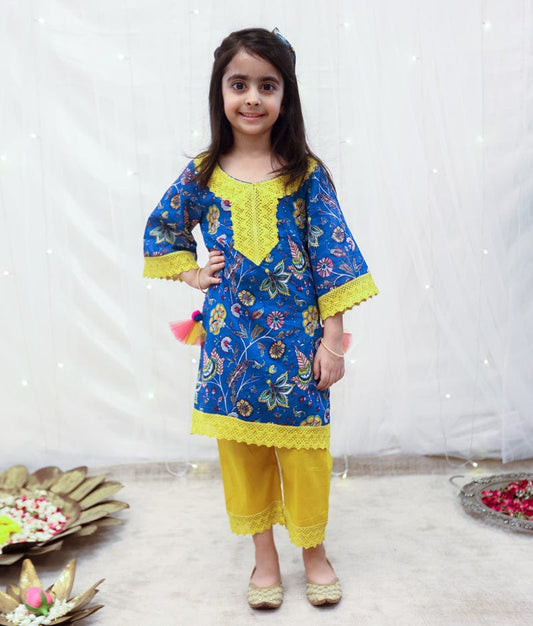
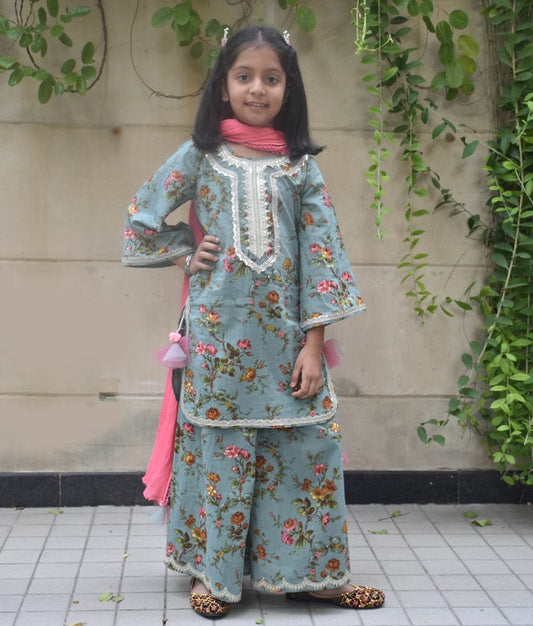
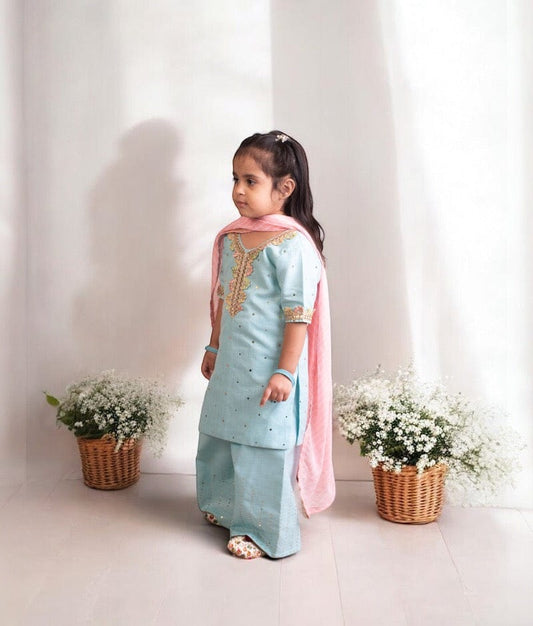
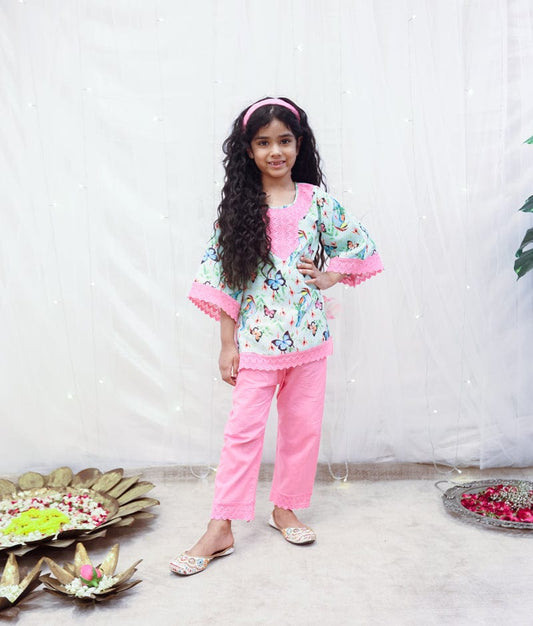
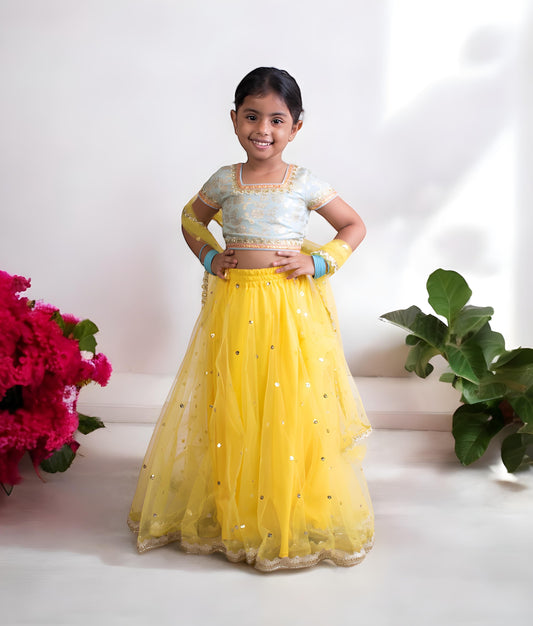
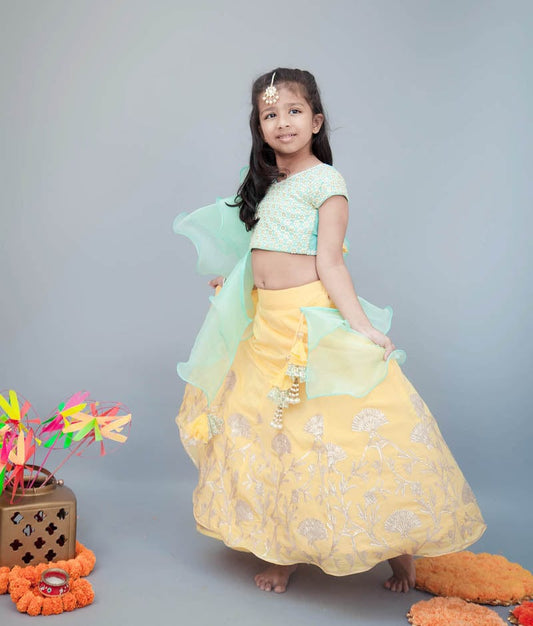
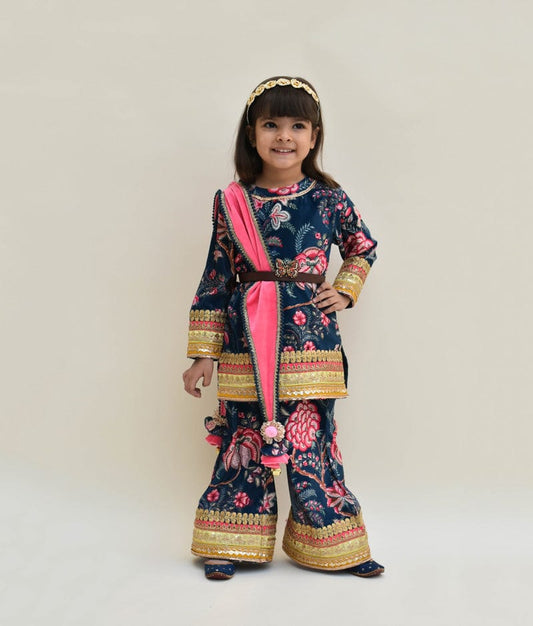
Silhouette choice should follow both age and occasion. Lehenga cholis dominate the wedding and festive segment for girls aged 4 to 12, while straight-cut kurta sets with palazzo pants are the practical go-to for school events and casual celebrations. Whether you need a birthday dress for girls or a wedding outfit, anarkali suits suit girls aged 10 and above who can manage the extra fabric without tripping.
-
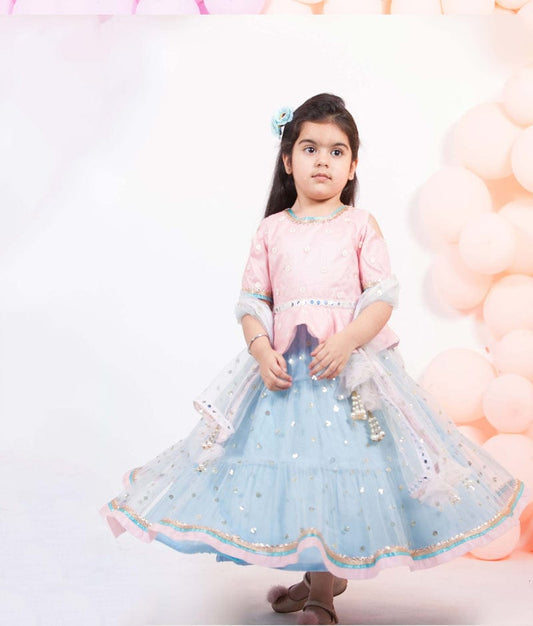
Lehenga choli: Best for weddings and Diwali; available in circular, A-line, and mermaid cuts.
-
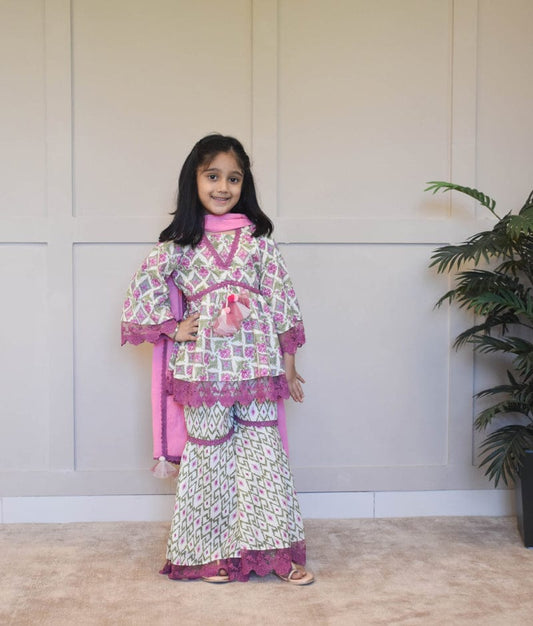
Salwar kameez: Versatile for school functions and casual pujas; easy to launder.
-
Anarkali suit: Ideal for semi-formal events; the flared silhouette photographs well.
-
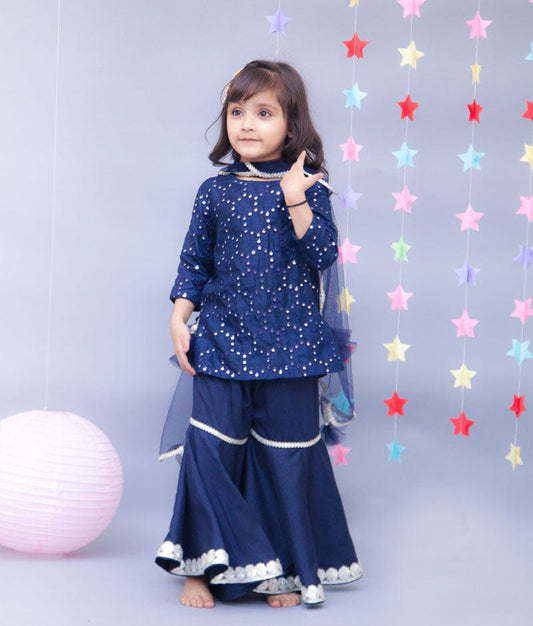
Sharara set: Trending for ages 8 and above; wide-leg pants pair with short kurtas.
-
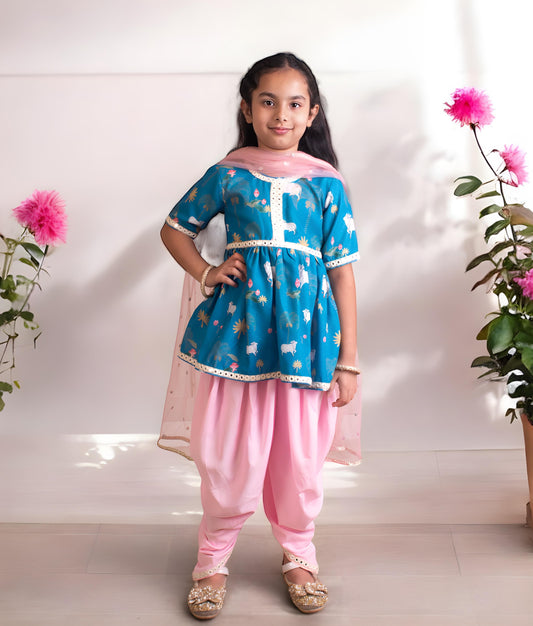
Dhoti-style kurta set: A contemporary ethnic option gaining traction in 2025-2026 collections.
Regional Styles That Deserve More Attention
Most mainstream e-commerce platforms default to North Indian silhouettes, but regional styles offer wider variety and cultural accuracy. Pavadai sattai from Tamil Nadu, ghagra choli from Rajasthan, and mekhela chador from Assam each carry distinct weaving traditions and are increasingly available through speciality kids' ethnic wear retailers. Choosing a regionally accurate outfit for a cultural event signals genuine respect for the tradition.
|
Regional Style |
Origin State |
Best Occasion |
Typical Age Range |
|
Pavadai Sattai |
Tamil Nadu |
Temple visits, Pongal |
2 to 10 years |
|
Ghagra Choli |
Rajasthan / Gujarat |
Navratri, weddings |
4 to 14 years |
|
Mekhela Chador |
Assam |
Bihu, cultural programs |
8 to 16 years |
|
Langa Voni |
Andhra Pradesh / Telangana |
Half-saree ceremonies |
10 to 16 years |
Fabric Selection: What Actually Matters for Kids' Ethnic Wear
Comfort-First Fabrics for Everyday and Festive Use
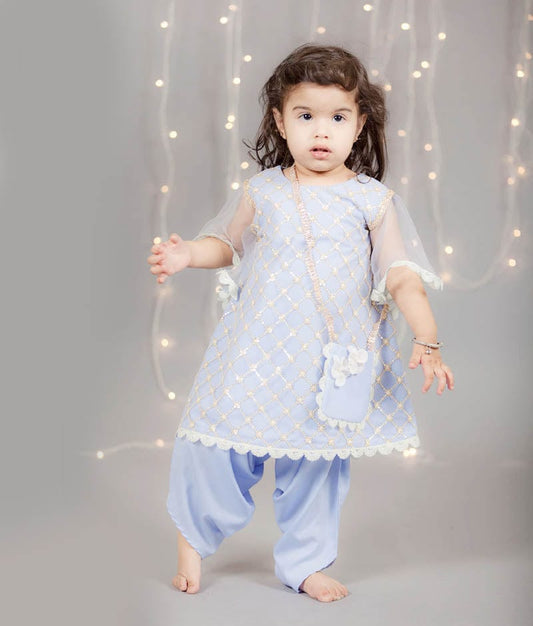
Children's skin is more sensitive to synthetic irritants than adult skin, making fabric choice a health decision as much as an aesthetic one. Cotton silk blends and pure chanderi are the most recommended base fabrics because they balance breathability with the visual richness expected at celebrations. Georgette and net are acceptable as outer layers or dupattas but should never sit directly against the skin without a cotton lining, especially for girls under eight. This applies equally when selecting first birthday dress for baby girl options, where skin comfort is paramount.
-
Cotton silk blend: Breathable, drapes well, machine-washable on gentle cycle.
-
Chanderi: Lightweight with a natural sheen; ideal for summer weddings.
-
Banarasi silk: Rich texture for formal events; requires dry cleaning.
-
Georgette: Flowy and photogenic; always check for a cotton inner lining.
-
Rayon: Budget-friendly and soft; prone to shrinkage if machine-washed hot.
Embellishment Quality: Separating Durable Craft from Fast-Fashion Shortcuts
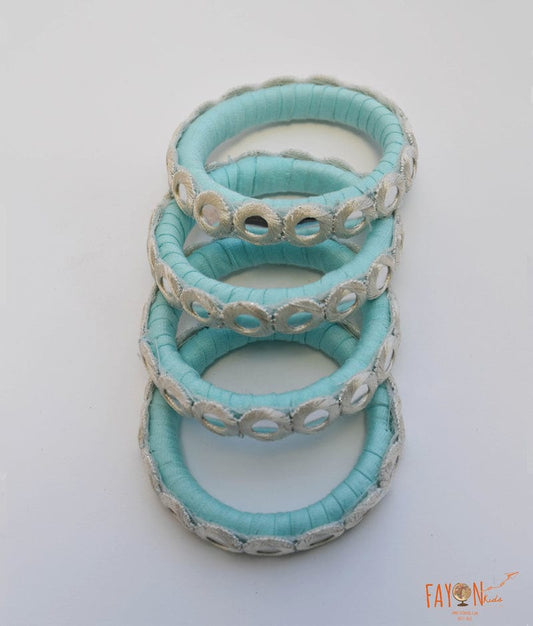
Embellishments are where quality gaps between price tiers become most visible. Zari threadwork, mirror work, and gota patti should be stitched with tight, even tension; loose threads at the edges indicate machine-applied shortcuts that unravel after two to three washes. Sequins and beads must be securely anchored, as loose embellishments present a choking hazard for girls under five, a safety standard referenced by the Bureau of Indian Standards under IS 16781.
How to Buy Ethnic Wear for Girls: A Practical Evaluation Framework
Step-by-Step Sizing and Fit Checklist
Sizing inconsistency is the single most common complaint in online ethnic wear purchases, because Indian kids' sizing is not standardized across brands. Measuring chest, waist, and height before ordering, then cross-referencing against the brand's own size chart rather than generic age labels, reduces return rates significantly. A lehenga skirt should clear the floor by at least two centimetres to prevent tripping, and the choli blouse should allow full arm movement without pulling at the underarm seam.
-
Measure chest, waist, hip, and height with a soft tape; record in centimetres.
-
Compare measurements against the specific brand's size chart, not generic age-to-size guides.
-
Check the garment's length against the child's inseam and floor clearance requirement.
-
Confirm the blouse or kurta sleeve length allows full arm extension without seam stress.
-
For lehengas, verify the waistband has an adjustable drawstring or hook-and-eye closure for growth room.
Price Tiers and What Each Budget Actually Delivers
The Indian girls' ethnic wear market spans a wide price range, and each tier has honest trade-offs. Budget sets under INR 800 typically use polyester blends with printed rather than woven patterns, which fade faster. Mid-range sets between INR 1,200 and INR 3,500 offer cotton-silk blends with hand-embroidered accents. For those also exploring winter dresses for girls, premium designer pieces above INR 4,000, such as those available through curated platforms like Fayonkids, use certified fabric compositions and structured construction that holds shape across multiple wears.
|
Price Tier (INR) |
Typical Fabric |
Embellishment Type |
Wash Care |
|
Under 800 |
Polyester/rayon |
Printed motifs |
Machine wash cold |
|
800 to 1,200 |
Rayon/cotton blend |
Machine embroidery |
Gentle machine wash |
|
1,200 to 3,500 |
Cotton silk / chanderi |
Hand embroidery, gota |
Hand wash or dry clean |
|
Above 4,000 |
Banarasi silk / pure cotton |
Zari, mirror, hand block |
Dry clean only |
Care, Storage, and Longevity Tips for Girls' Ethnic Garments
Washing and Stain Removal Without Damaging Embellishments
Ethnic garments with zari or mirror work should never be soaked for more than ten minutes, as prolonged water exposure oxidises metallic threads permanently. For spot stains on silk or chanderi, a diluted solution of mild detergent applied with a soft cloth and blotted rather than rubbed is the safest first response. Dry cleaning is non-negotiable for Banarasi silk lehengas; home washing distorts the woven structure and causes irreversible puckering around embroidered panels.
Storage Practices That Extend Garment Life Between Seasons
Ethnic wear for girls is often worn only two to four times per year, making proper off-season storage as important as initial purchase quality. Fold lehengas and anarkalis along their natural seam lines rather than compressing them into tight rolls, which creates permanent crease marks. Store garments in breathable muslin bags rather than plastic covers, as plastic traps humidity and accelerates fabric yellowing. If you also invest in party wear western dresses, the same storage principles apply to keep embellished pieces in top condition between events.
Frequently Asked Questions
What is the best fabric for ethnic wear for girls in summer?
Cotton silk blends and chanderi are the best choices for summer because they are lightweight, breathable, and still carry the visual richness expected at festive events.
How do I choose the right size for ethnic wear when buying online?
Always measure the child's chest, waist, and height in centimetres and compare against the specific brand's size chart rather than relying on age-based size labels.
Are sequins and beads on girls' ethnic wear safe for young children?
Sequins and beads must be securely stitched; for girls under five, choose embroidery-only designs to eliminate the choking hazard posed by loose embellishments.
How often should girls' ethnic wear be dry cleaned?
Banarasi silk and heavily embroidered pieces should be dry cleaned after every two to three wears, while cotton-blend kurta sets can be hand-washed after each use.
What ethnic wear styles are trending for girls in 2025-2026?
Sharara sets, dhoti-style kurta sets, and contemporary anarkalis with contrast dupatta colour-blocking are the dominant trends in girls' ethnic wear for the 2025-2026 festive season.