



-
Regular price Rs.4,829Sale price Rs.4,829 Regular priceUnit price per
Ships in 5-6 days.
Get it by Sat, Oct 10 – Sun, Oct 11
-
Regular price Rs.7,404Sale price Rs.7,404 Regular priceUnit price per
Ships in 2-3 days.
Get it by Thu, Oct 08 – Sat, Oct 10
-
Regular price Rs.8,850Sale price Rs.8,850 Regular priceUnit price per
Ships in 5-6 days.
Get it by Sat, Oct 10 – Sun, Oct 11
-
Regular price Rs.24,350Sale price Rs.24,350 Regular priceUnit price per
Ships in 5-6 days.
Get it by Sat, Oct 10 – Sun, Oct 11



Festival Dress for Girls: How to Choose the Right Look for Every Celebration
Finding the right festival dress for girls means balancing tradition, comfort, and age-appropriate style. Whether you are shopping for Diwali, Navratri, Eid, Holi, or a regional harvest celebration, the choices span fabrics, silhouettes, and embellishment levels. This guide cuts through the noise with practical selection criteria, fabric comparisons, and styling decisions that actually hold up at the event.
Understanding Festival Dress Categories for Girls
Silhouette Types by Festival Context
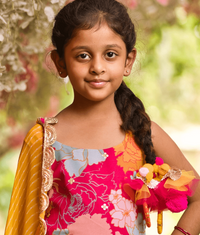
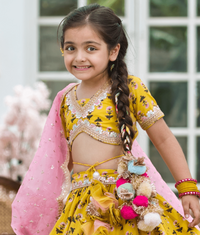
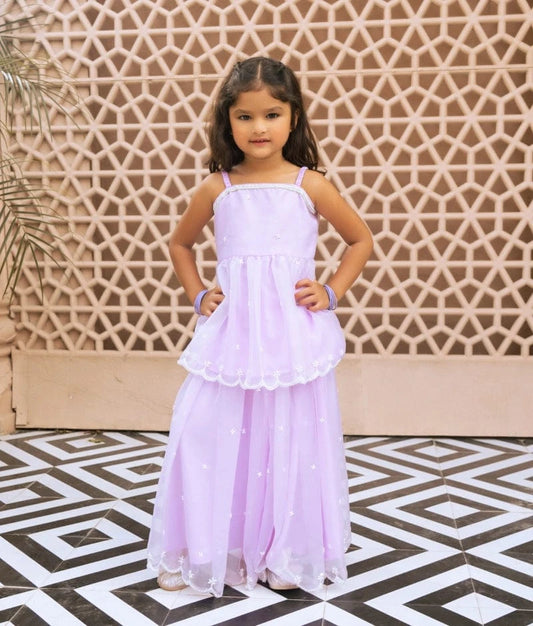
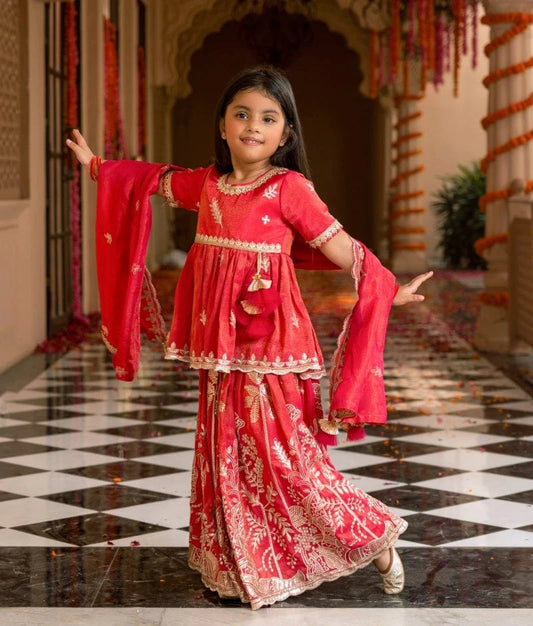
Festival dressing for girls broadly falls into three silhouette families: lehenga-choli sets, anarkali suits, and ethnic frocks with jacket overlays. Lehengas fit high-ceremony events like Navratri garba nights, anarkalis work well for Eid and Diwali gatherings, and ethnic frocks with jackets offer the most practical movement for outdoor mela-style festivals. Knowing the event format before buying prevents the common mistake of choosing a heavily embellished lehenga for a celebration that involves dancing or outdoor activity. If you also need a birthday dress for girls, many of these same silhouettes translate well across both festival and birthday contexts.
Age-Appropriate Styling Considerations
Toddlers aged two to four years need festival dresses with elasticated waistbands, snap closures, and minimal bead embellishment to reduce choking risk. Girls aged five to ten can handle more structured silhouettes like flared anarkalis with dupatta, while pre-teens aged eleven to fourteen increasingly prefer contemporary fusion styles such as palazzo sets and printed kurta dresses. Matching the silhouette to the child's age group directly affects how long the child will comfortably wear the outfit before asking to change.
|
Festival Type |
Recommended Silhouette |
Best Fabric |
Embellishment Level |
|
Navratri / Garba |
Lehenga-Choli |
Georgette, Rayon |
Medium (mirror work, gota) |
|
Diwali |
Anarkali Suit |
Silk, Brocade |
High (zari, sequins) |
|
Eid |
Sharara Set / Palazzo Kurta |
Organza, Chiffon |
Medium (thread embroidery) |
|
Holi / Outdoor Mela |
Ethnic Frock with Jacket |
Cotton, Cotton Blend |
Low (block print, tie-dye) |
|
Haldi / Spring Festivals |
Straight Kurta / Dress |
Cotton, Linen Blend |
Minimal (floral print) |
Fabric Selection: The Detail Most Buyers Skip
Performance Fabrics vs. Ceremonial Fabrics
Organza and brocade photograph beautifully but trap heat quickly, making them poor choices for outdoor summer festivals where temperatures exceed 35 degrees Celsius. Rayon and cotton blends breathe significantly better and are the practical default for any festival that runs longer than three hours or involves physical activity. Parents who prioritize fabric breathability over visual impact report far fewer mid-event outfit changes. For cooler seasonal celebrations, winter dresses for girls in heavier weaves like brocade or velvet become a more appropriate and comfortable choice.
Embellishment Durability and Safety Standards
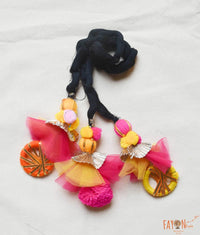
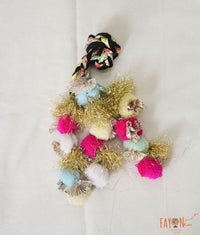
Sequins and beads attached by single-thread stitching are the most common failure point in festival dresses, with loose embellishments typically appearing after the first wear or wash. Look for embellishments that are woven into the fabric or attached with chain-stitch embroidery, both of which survive repeated handling far better than glued decorations. For girls under five, BIS recommends avoiding any detachable decorative element smaller than 3.17 centimetres in diameter.
-
Georgette: Lightweight and flowy, ideal for lehenga skirts at indoor festivals.
-
Organza: Structured and sheer, best for layered dupatta or overlay panels.
-
Brocade: Heavy and formal, suited to short-duration ceremonial events only.
-
Rayon: Soft, breathable, and budget-friendly for active outdoor festivals.
-
Cotton Blend: The most practical all-day fabric for younger girls aged two to eight.
How to Evaluate Quality Before You Buy
A Step-by-Step Inspection Method for Online Shoppers
Online festival dress shopping requires a disciplined evaluation process because colour rendering on screens can shift by up to 30 percent from the actual garment. Checking the fabric composition label, reading reviews that mention post-wash colour retention, and requesting a size chart with chest and length measurements in centimetres are the three non-negotiable steps before placing an order. Platforms like Fayonkids provide detailed size guides and fabric descriptions that make this process significantly more reliable than browsing generic marketplace listings.
Price Tiers and What They Actually Signal
Festival dresses for girls in India span three clear price tiers: entry-level at INR 400 to 900 (rayon or polyester with printed embellishment), mid-range at INR 1,000 to 2,500 (georgette or cotton with embroidery), and premium at INR 2,500 and above (silk, brocade, or organza with zari work). The mid-range tier offers the best value-to-durability ratio for most families. Spending above INR 2,500 is justified only when the dress will be worn to multiple events or photographed professionally. For celebrations that call for something more contemporary, party wear western dresses in this mid-range tier also deliver strong quality without the fragility of ceremonial-grade materials.
-
Confirm the fabric composition is listed explicitly, not just described as "premium material."
-
Check that the size chart includes chest, waist, and dress length in centimetres.
-
Read at least five reviews that mention post-wash condition and colour accuracy.
-
Verify the embellishment method: woven or chain-stitched is more durable than glued.
-
Confirm the return or exchange policy covers sizing issues, not just defects.
|
Price Range (INR) |
Typical Fabric |
Embellishment Type |
Best For |
|
400 to 900 |
Polyester, Rayon |
Digital print, glued sequins |
Casual outdoor festivals |
|
1,000 to 2,500 |
Georgette, Cotton Blend |
Machine embroidery, mirror work |
Family gatherings, school events |
|
2,500 and above |
Silk, Brocade, Organza |
Zari, hand embroidery, thread work |
Formal ceremonies, photography |
Care, Longevity, and Getting More Wear from One Dress
Styling Strategies to Extend a Dress Across Multiple Festivals
A single lehenga-choli set can cover three to four different festival occasions by swapping the dupatta colour, changing the blouse, or layering a contrasting jacket over the skirt. This modular approach is especially practical for fast-growing girls aged six to twelve. For the youngest children, choosing a first birthday dress for baby girl that doubles as a festival outfit maximises cost-per-wear value. Brands like Fayonkids that offer coordinated separates rather than only fixed sets give parents the flexibility to mix pieces across outfits.
-
Hand-wash or use a mesh bag on delicate cycle to protect embellishments.
-
Dry in shade to prevent colour fading in georgette and organza fabrics.
-
Store in breathable cotton garment bags, not plastic, between festival seasons.
-
Iron embellished sections face-down on a cotton cloth to avoid melting sequins.
Frequently Asked Questions
What is the best fabric for a festival dress for girls in hot weather?
Cotton blends and rayon are the most breathable options for outdoor summer festivals, keeping girls comfortable through long events without trapping heat.
How do I choose the right size for a festival dress when shopping online?
Always use the brand's centimetre-based size chart measuring chest, waist, and dress length rather than relying on generic age or S/M/L labels.
Are heavily embellished festival dresses safe for toddlers?
No; for girls under five, avoid any detachable embellishments smaller than 3.17 centimetres in diameter due to choking hazard guidelines recommended by BIS standards.
How many times can a festival dress be worn before it loses its look?
With correct hand-washing and shade drying, a mid-range georgette or cotton-blend festival dress typically retains its embellishment and colour through eight to twelve wears.
What silhouette works best for Navratri garba dancing?
A flared lehenga in lightweight georgette or rayon with mirror-work embellishment is the most practical and traditional choice for garba, allowing full movement without fabric restriction.