



-
Regular price Rs.10,178Sale price Rs.10,178 Regular priceUnit price per
Rs.10,215Ships in 5-6 days.
Get it by Sun, Oct 04 – Mon, Oct 05
Sale -
Regular price Rs.2,950Sale price Rs.2,950 Regular priceUnit price per
Ships in 5-6 days.
Get it by Sun, Oct 04 – Mon, Oct 05
-
Regular price Rs.13,443Sale price Rs.13,443 Regular priceUnit price per
Ships in 5-6 days.
Get it by Sun, Oct 04 – Mon, Oct 05
-
Regular price Rs.1,980Sale price Rs.1,980 Regular priceUnit price per
Ships in 5-6 days.
Get it by Sun, Oct 04 – Mon, Oct 05
-
Regular price Rs.13,005Sale price Rs.13,005 Regular priceUnit price per
Ships in 2-3 days.
Get it by Fri, Oct 02 – Sun, Oct 04
-
Regular price Rs.6,867Sale price Rs.6,867 Regular priceUnit price per
Ships in 5-6 days.
Get it by Sun, Oct 04 – Mon, Oct 05
-
Regular price Rs.9,678Sale price Rs.9,678 Regular priceUnit price per
Ships in 5-6 days.
Get it by Sun, Oct 04 – Mon, Oct 05
-
Regular price Rs.3,541Sale price Rs.3,541 Regular priceUnit price per
Ships in 5-6 days.
Get it by Sun, Oct 04 – Mon, Oct 05
-
Regular price Rs.10,000Sale price Rs.10,000 Regular priceUnit price per
Ships in 2-3 days.
Get it by Fri, Oct 02 – Sun, Oct 04
-
Regular price Rs.28,402Sale price Rs.28,402 Regular priceUnit price per
Ships in 5-6 days.
Get it by Sun, Oct 04 – Mon, Oct 05
-
Regular price Rs.1,980Sale price Rs.1,980 Regular priceUnit price per
Ships in 5-6 days.
Get it by Sun, Oct 04 – Mon, Oct 05
-
Regular price Rs.4,500Sale price Rs.4,500 Regular priceUnit price per
Ships in 5-6 days.
Get it by Sun, Oct 04 – Mon, Oct 05
-
Regular price Rs.22,858Sale price Rs.22,858 Regular priceUnit price per
Ships in 5-6 days.
Get it by Sun, Oct 04 – Mon, Oct 05
-
Regular price Rs.13,500Sale price Rs.13,500 Regular priceUnit price per
Ships in 5-6 days.
Get it by Sun, Oct 04 – Mon, Oct 05
-
Regular price Rs.6,900Sale price Rs.6,900 Regular priceUnit price per
Ships in 5-6 days.
Get it by Sun, Oct 04 – Mon, Oct 05
-
Regular price Rs.13,520Sale price Rs.13,520 Regular priceUnit price per
Rs.22,533Ships in 5-6 days.
Get it by Sun, Oct 04 – Mon, Oct 05
Sale -
Regular price Rs.5,902Sale price Rs.5,902 Regular priceUnit price per
Ships in 5-6 days.
Get it by Sun, Oct 04 – Mon, Oct 05
-
Regular price Rs.3,476Sale price Rs.3,476 Regular priceUnit price per
Rs.4,829Ships in 5-6 days.
Get it by Sun, Oct 04 – Mon, Oct 05
Sale -
Regular price Rs.3,338Sale price Rs.3,338 Regular priceUnit price per
Rs.5,564Ships in 5-6 days.
Get it by Sun, Oct 04 – Mon, Oct 05
Sale -
Regular price Rs.29,980Sale price Rs.29,980 Regular priceUnit price per
Ships in 5-6 days.
Get it by Sun, Oct 04 – Mon, Oct 05
-
Regular price Rs.3,541Sale price Rs.3,541 Regular priceUnit price per
Ships in 5-6 days.
Get it by Sun, Oct 04 – Mon, Oct 05
-
Regular price Rs.3,541Sale price Rs.3,541 Regular priceUnit price per
Ships in 5-6 days.
Get it by Sun, Oct 04 – Mon, Oct 05
-
Regular price Rs.3,338Sale price Rs.3,338 Regular priceUnit price per
Rs.4,743Ships in 5-6 days.
Get it by Sun, Oct 04 – Mon, Oct 05
Sale -
Regular price Rs.14,167Sale price Rs.14,167 Regular priceUnit price per
Ships in 5-6 days.
Get it by Sun, Oct 04 – Mon, Oct 05
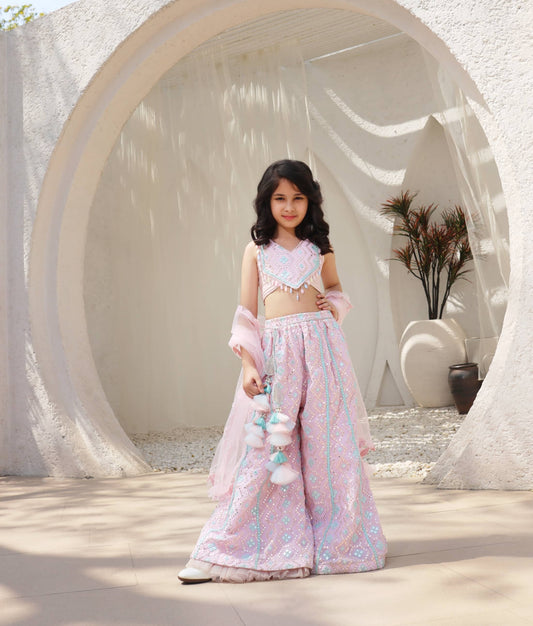


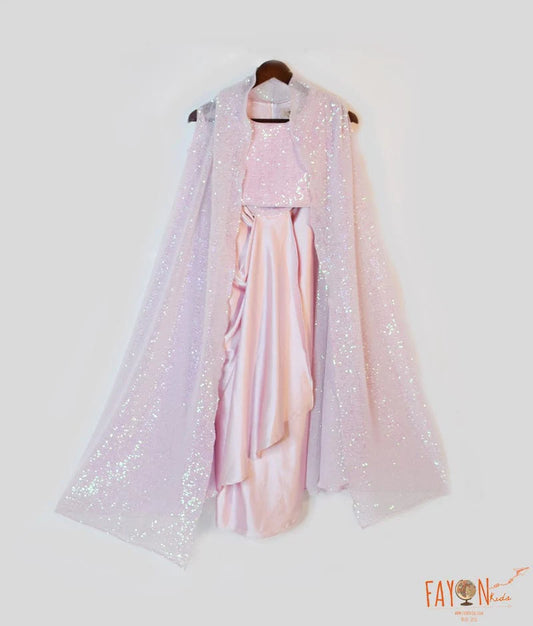

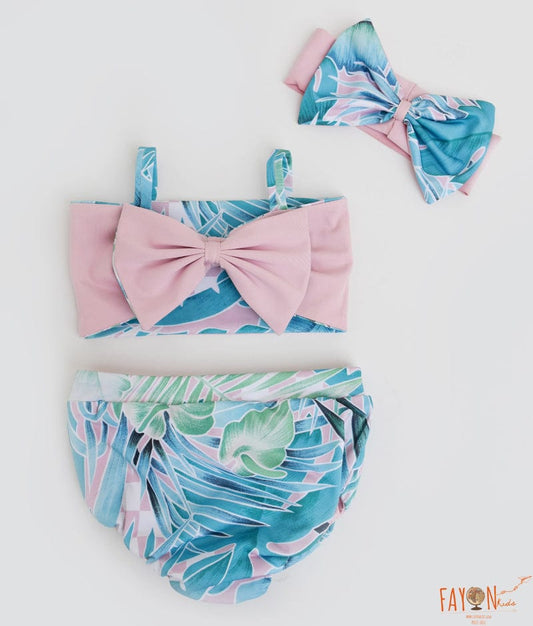
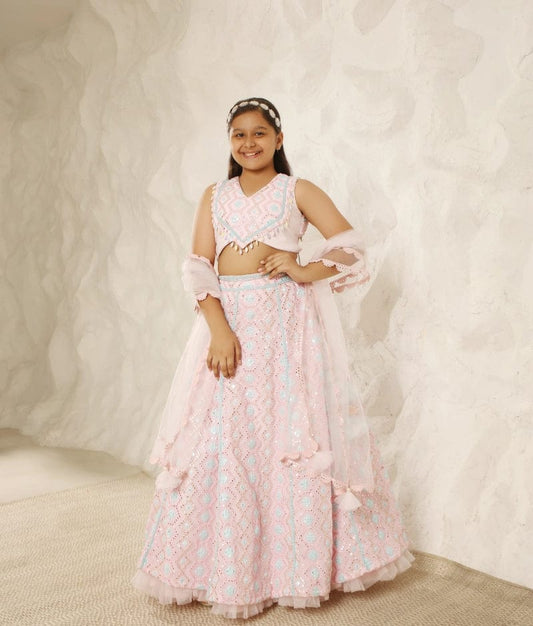

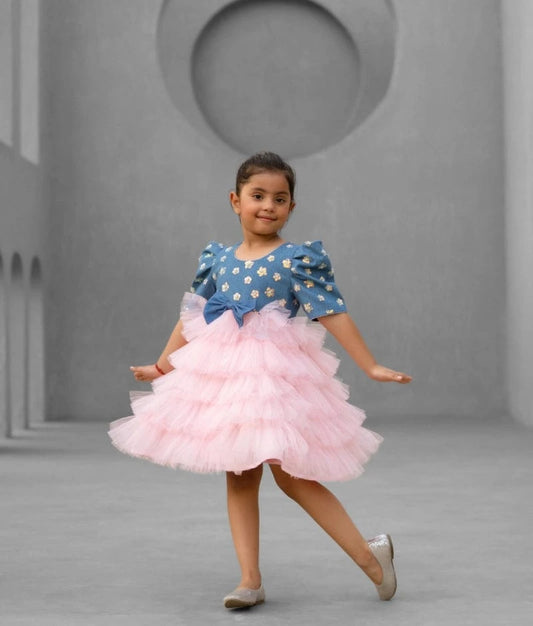

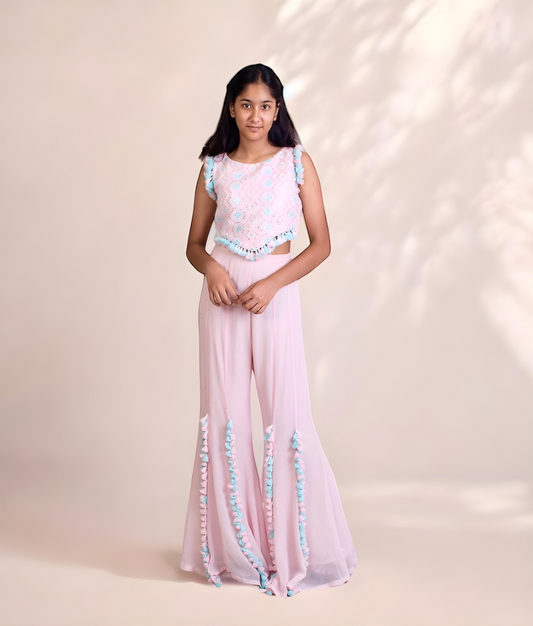

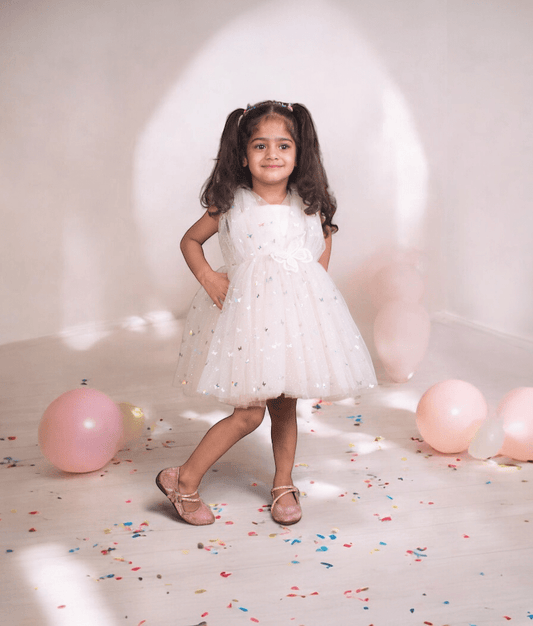

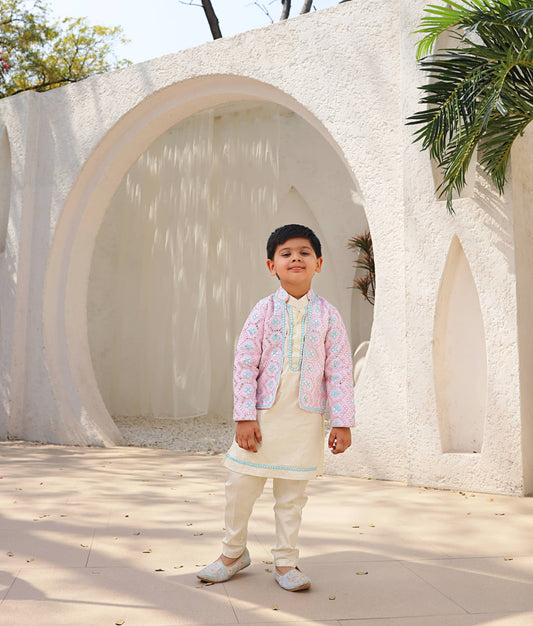

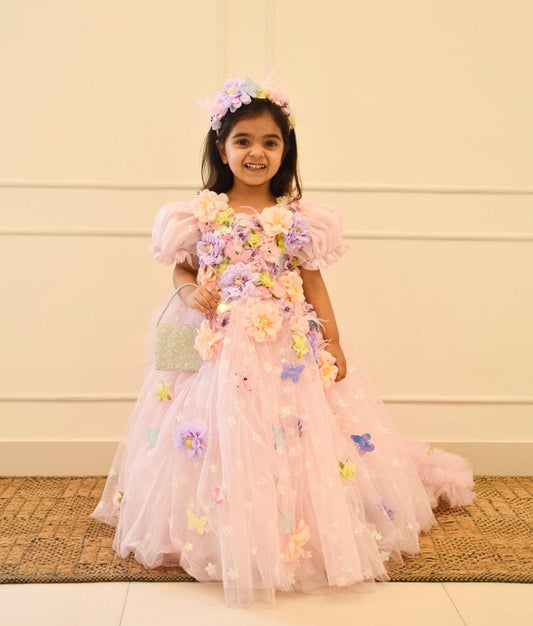



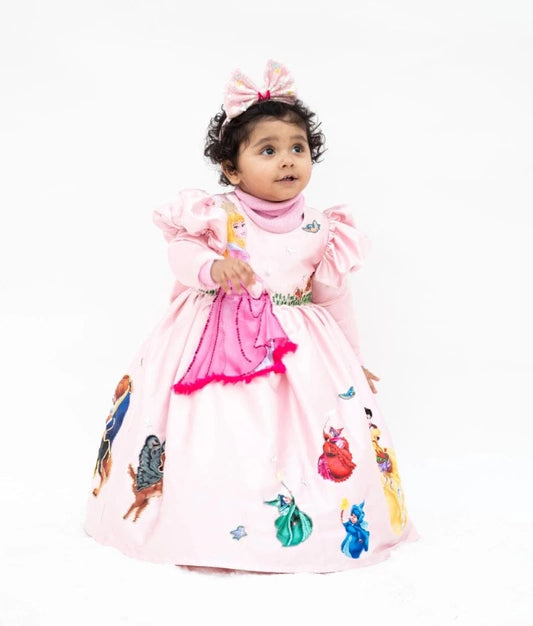

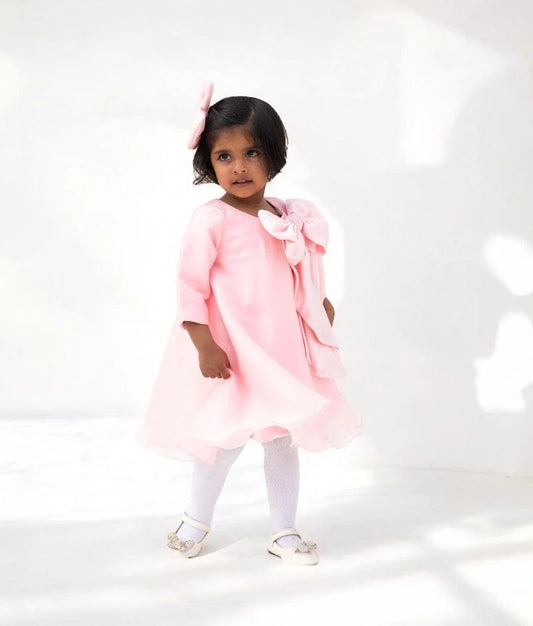

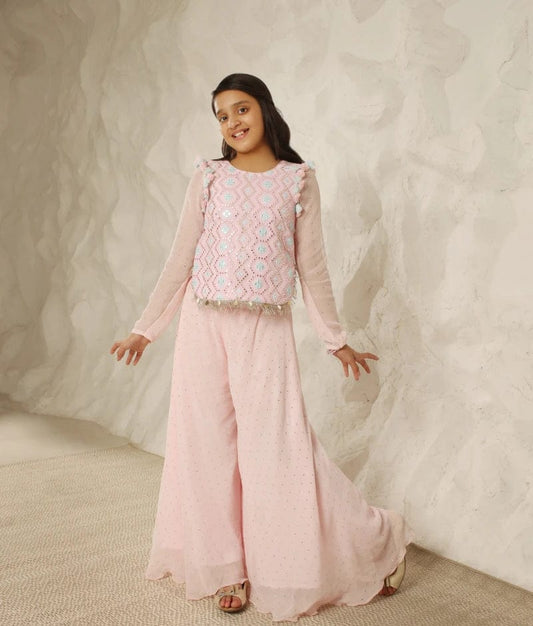

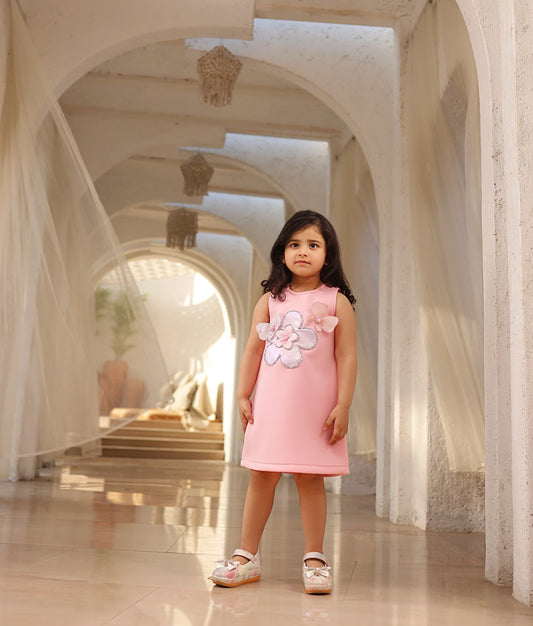

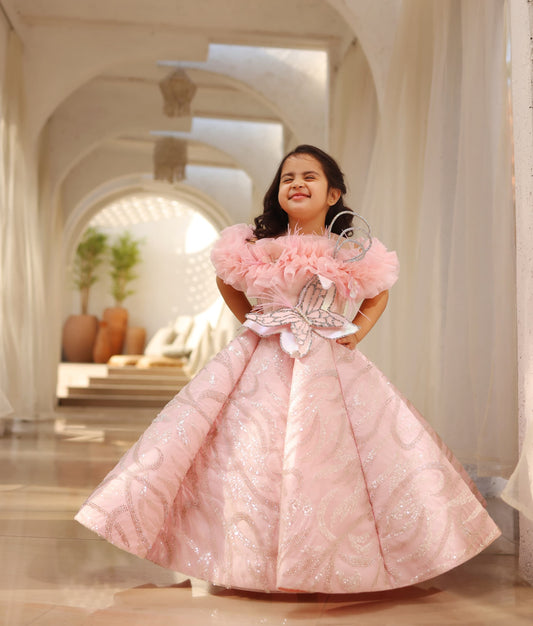


Naming Ceremony Dress for Baby: The Complete Outfit Guide for Naamkaran and Beyond
A naming ceremony dress for a baby is the first real occasion outfit most families ever buy, and it sets a kind of emotional benchmark for everything that follows. The naamkaran ceremony, which typically takes place between the eleventh day and the first month after birth, is the occasion when the baby officially receives their name. It is a family gathering, a ritualistic celebration, and a photography moment all at once. The outfit the baby wears in those photographs will be the earliest image of them in anything other than a hospital blanket. At Fayon Kids, we design custom-made occasion wear for babies from their earliest weeks, so the naming ceremony outfit is made to the baby's actual size, with soft lining, gentle construction, and the kind of detail that makes the photographs look as special as the occasion deserves.
What Is a Naamkaran Ceremony and Why Is the Outfit a Key Part of It?
The naamkaran ceremony, derived from the Sanskrit words "naam" meaning name and "karan" meaning to make or create, is the official naming ritual in Hindu tradition. It is one of the earliest samskaras and is observed across North India, South India, and much of the diaspora, though the timing and specific rituals vary by community.
In North Indian tradition, the ceremony typically takes place on the eleventh or twelfth day after birth. In South Indian tradition, particularly in Tamil and Kannada communities, it may be observed on the twenty-seventh or twenty-eighth day. Bengali families observe a similar ritual called "Naamkaran", typically between ten days and one month after birth.
The ceremony is attended by family members across generations, the baby is brought to the altar or prayer space in ceremonial clothing, and the name is whispered into the baby's ear, followed by family blessings, a puja, and a meal. Photographs are taken at every stage. The outfit the baby wears is visible in all of them.
This is why the naming ceremony dress for the baby is not just a clothing purchase. It is a ceremonial object that will exist in the family's visual memory alongside the name itself.
Make your baby's naamkaran as memorable as the moment itself. Explore Fayon Kids' custom-made occasion wear for infants.
What Are the Key Differences Between a Naming Ceremony Outfit for a Baby Girl and a Baby Boy?
The styling direction for a naming ceremony outfit differs significantly between baby girls and baby boys, both in silhouette and in the cultural traditions that inform each.
Naming Ceremony Dress for Baby Girl
For baby girls, the most common choices are:
A silk or cotton silk lehenga set in a soft, auspicious colour such as yellow, red, peach, or pale green. This is the most traditional choice across most North Indian and Bengali communities. The lehenga is kept light and unstructured for a very young baby, with a soft inner lining and minimal embellishment that might press against the skin.
A flowy anarkali frock in an embroidered fabric, which is easier to manage on a newborn or very young infant than a multi-piece set and photographs beautifully because of its single-piece, full-length silhouette.
A pavadai set for South Indian families, traditionally in Kanjivaram silk with gold zari borders, which is the conventional choice for Tamil and Kannada naming ceremonies.
Naming Ceremony Dress for Baby Boy
For baby boys, the most widely chosen options are:
A dhoti kurta set in silk or chanderi, which is the most traditional choice for Hindu naming ceremonies across most regions. The dhoti is typically kept very short and loose for a young baby, and the kurta is made with a front opening or envelope neckline construction for ease of dressing.
A kurta and pyjama set in a soft, embroidered fabric, which is slightly more practical than a full dhoti set for very young babies and equally photogenic.
A sherwani set for families who want something more formal and structured, though this is more commonly chosen for babies who are a few months older rather than newborns.
Our boys achkan collection gives a strong reference for the kind of structured ceremonial styling available for boys at different ages, including options that scale down beautifully for younger children.
|
Baby |
Recommended Style |
Fabric Choice |
|
Newborn Girl (0 to 4 weeks) |
Anarkali frock or pavadai |
Soft cotton silk, chanderi |
|
Baby Girl (1 to 6 months) |
Lehenga set or anarkali |
Silk, silk blend, chanderi |
|
Newborn Boy (0 to 4 weeks) |
Dhoti kurta in soft fabric |
Cotton silk, soft chanderi |
|
Baby Boy (1 to 6 months) |
Kurta pyjama or short sherwani |
Silk blend, chanderi |
Dressing your baby for their naamkaran? Browse Fayon Kids' collection of custom-made infant occasion wear for boys and girls.
Which Colours Are Considered Auspicious for a Naming Ceremony Baby Outfit?
Colour choices for a naming ceremony outfit are largely driven by regional and community tradition, but a few colours appear consistently across different communities as auspicious and celebration-appropriate.
Yellow: Among the most widely used colours for naming ceremonies across India. Yellow is associated with auspiciousness, new beginnings, and the blessing of divine light. In Bengali naamkaran ceremonies, yellow is the most traditional choice for baby girls.
Red: Carries festive and celebratory significance in Hindu tradition and is a strong choice for naming ceremony outfits in North Indian communities. For baby girls, red silk with gold embellishment is a deeply traditional pairing.
White and Cream: In some South Indian communities, particularly for very young newborns, white or cream is the traditional colour for the naming ceremony, representing purity and new life. This is distinct from the associations white carries in North Indian mourning traditions, so regional context matters here.
Green: Associated with nature, fertility, and new growth. Green is a popular choice for baby naming ceremonies in many communities and works beautifully in both silk and cotton fabrics.
Peach, Blush, and Soft Pink: A contemporary choice that is growing in popularity among urban families. These shades photograph beautifully with the golden skin tones common in newborns and carry an elegance that suits the intimacy of a naming ceremony.
|
Color |
Cultural Association |
Occasion Suitability |
|
Yellow and Gold |
Auspiciousness, new beginnings (Bengali, Odia) |
Highly traditional, strongly ceremonial |
|
Red and Gold |
Festivity, celebration (North Indian) |
Traditional, formal |
|
Peach and Blush |
Contemporary, soft, photogenic |
Modern families, urban settings |
|
Green |
Nature, nourishment, auspiciousness |
Regional traditions, fresh aesthetic |
|
Ivory and Cream |
Timeless, refined, versatile |
Contemporary, non-traditional families |
Not sure which colour is right for your family's tradition? Reach out to the Fayon Kids team, and we will help you find the perfect match.
How Is a Naming Ceremony Outfit Different from Other Ceremonial Baby Outfits?
A question many parents ask is whether the naming ceremony outfit can be reused for the annaprashan, the mundan, or other early childhood ceremonies. The answer depends on the age gap between the ceremonies and how quickly the baby is growing.
Naming ceremonies typically happen within the first month of life. Annaprashan is usually observed between five and seven months. In most cases, a baby's weight and measurements change so significantly between these two ceremonies that a naming ceremony outfit will not fit for the annaprashan.
There is also a stylistic distinction. Naming ceremony outfits are often softer, simpler, and more restrained because the baby is very young and the ceremony is intimate. Annaprashan outfits tend to be more elaborate because the baby is older, more physically settled, and better able to carry a more structured or embellished garment.
Mundan outfits are different again, because the child is typically between one and three years old, and the occasion has a specific cultural aesthetic. Haldi and Mehendi outfits follow their own distinct colour and fabric conventions.
For families who want a single cohesive design source across all these childhood milestones, our wedding dress for kids collection covers the broader range of occasion wear available for children from infancy through early childhood.
Plan your child's full occasion wardrobe from the naamkaran to their first wedding attendance. Explore Fayon Kids today.
What Should You Look for When Ordering a Naming Ceremony Dress for a Baby?
Five specific things separate a well-chosen naming ceremony outfit from one that causes problems on the day itself.
Soft inner lining without exception. A very young baby's skin is significantly more sensitive than older children's. The inner lining of the outfit must be completely smooth and free of rough seams, scratchy threads, or embellishments that sit against the skin.
Easy-on, easy-off construction. Newborns and young babies need to be changed quickly and frequently. Outfits with wide envelope necklines, front-button openings, or tie closures at the back are far more practical than outfits with narrow neck openings or complicated fastenings.
Lightweight overall construction. A very young baby cannot support excessive weight in clothing. The total weight of the outfit, including embellishment, should be minimal. Beadwork, sequins, and heavy stone embellishments are better avoided for naming ceremony outfits for newborns.
Measurements taken close to the ceremony date. Babies grow fast. Taking measurements several weeks before the ceremony and then ordering a size up to account for growth often leads to an outfit that is too large and bunches awkwardly in photographs. Measuring as close to the order placement date as possible gives the best result.
Breathable fabric for the season. A naming ceremony happening in June calls for a very different fabric than one in December. Summer naming ceremonies need cotton silk or chanderi. Winter ceremonies can carry richer fabrics like silk and silk blends.
Ready to order your baby's naming ceremony outfit? Contact Fayon Kids and let us guide you through every step of the custom design process.
Frequently Asked Questions
Q1: What is the typical timing of a naming ceremony in India?
The timing of a naming ceremony varies by community. In North Indian Hindu tradition, it is typically observed on the eleventh or twelfth day after birth. In South Indian communities, it may fall between the twenty-first and the twenty-eighth day. Bengali families generally observe naamkaran between ten days and one month. Islamic naming traditions, where the baby's name is given at birth, differ from Hindu ceremonies in timing.
Q2: Can the same outfit be used for a baby boy and a baby girl at different naming ceremonies?
In most cases, the styling conventions for naming ceremony outfits for boys and girls are different enough that the same garment would not be used across genders. That said, very simple, unembellished pieces in neutral colours like cream or yellow can occasionally be repurposed with minor styling changes.
Q3: Is a naming ceremony outfit the same as a baby shower outfit?
No. A baby shower outfit is typically worn before the baby is born, usually by the expectant mother rather than the baby. A naming ceremony outfit is the baby's own ceremonial piece, worn at the post-birth ritual when the name is formally given.
Q4: How do I order a naming ceremony dress for a newborn if I do not know the exact size yet?
The Fayon Kids team will guide you through the measurement and ordering process. For newborns, we work with the baby's actual post-birth measurements as closely as possible, and we account for the rapid growth that happens in the early weeks. Placing your order as close to the ceremony date as the production timeline allows gives the best size accuracy.
Q5: Does Fayon Kids ship naming ceremony outfits internationally for NRI families?
Yes. Fayon Kids ships to NRI families across the US, UK, UAE, Canada, and other international locations. For international orders, we recommend placing the order at least six to eight weeks before the ceremony date to account for shipping time and any adjustments.